A multidisciplinary study by Agrotecnio and the University of Lleida demonstrates the potential of organic mulches to reduce tillage in organic crops
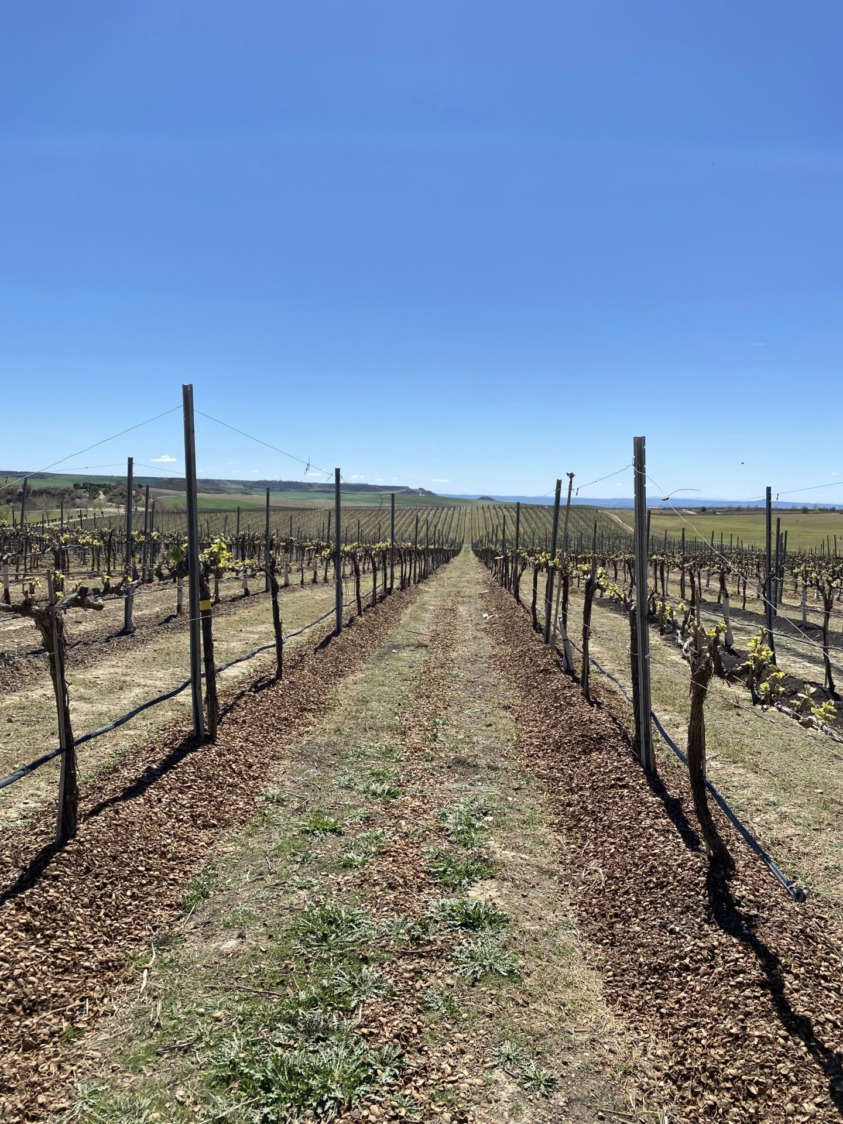
A study led by researchers from Agrotecnio and the University of Lleida (UdL) proposes a new way of managing weeds in vineyards: making use of materials that until now were considered waste, such as almond shells and skins, walnut shells, and grape pressing residues, known as pomace.
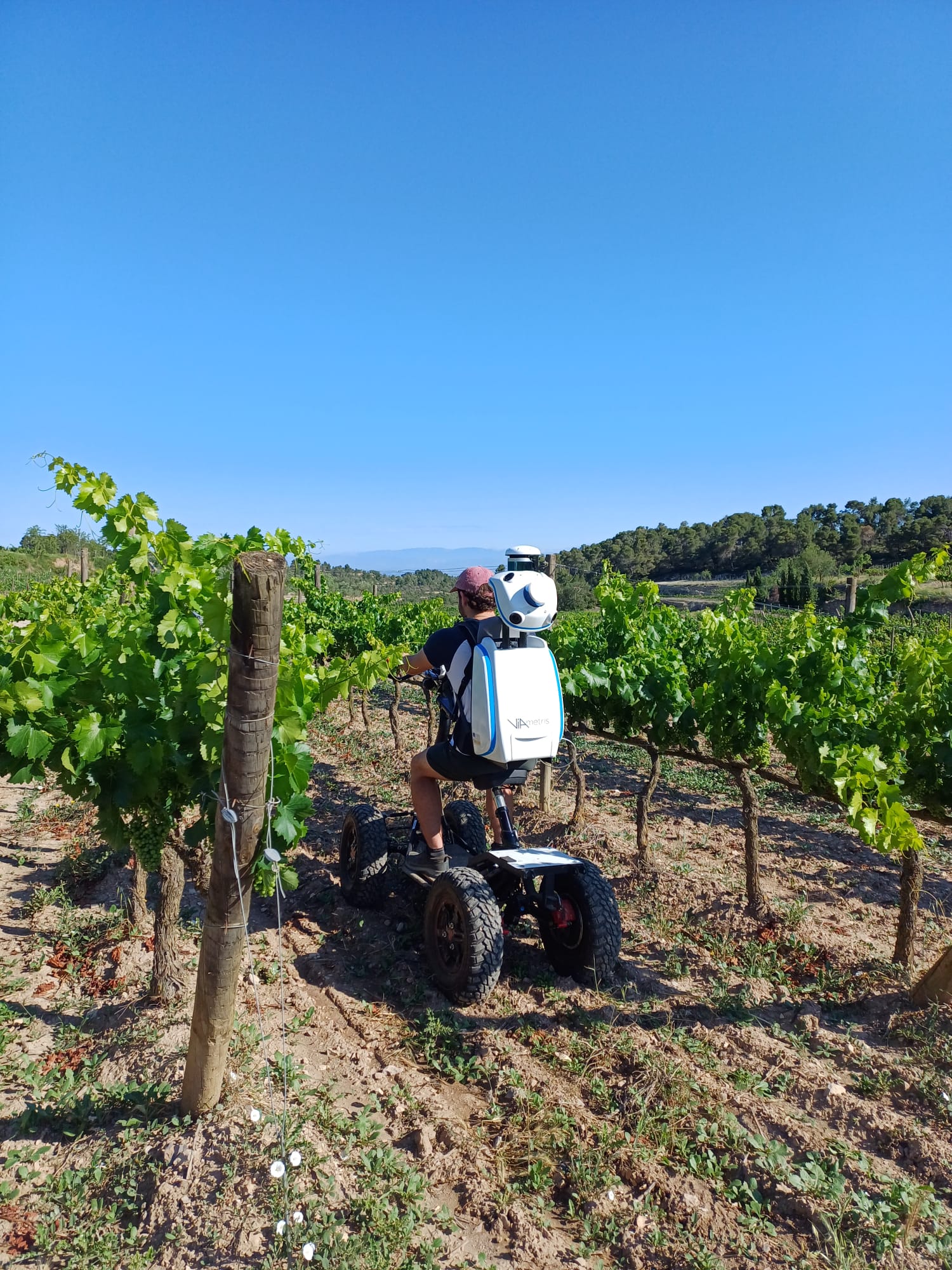
The research, published in the scientific journal Weed Research, is the result of multidisciplinary work between the Crop Protection group at Agrotecnio – University of Lleida and the Agrotic group, specialized in precision agriculture and technologies such as LiDAR. This collaboration has made it possible to combine agronomic analysis with advanced tools for monitoring crops and soil, offering a comprehensive perspective. The authors are Diego Barranco-Elena, Jordi Recasens, Jordi Llorens-Calveras, Alexandre Escolà and Bàrbara Baraibar.
The study analyses over two growing seasons the use of these organic materials (mulches) as soil covers under the row in vineyards in the northeastern Iberian Peninsula, under Mediterranean conditions. The aim is to assess to what extent they can replace common practices such as tillage.
Weed control is one of the major challenges in organic viticulture. Without chemical herbicides, tillage is often the most widely used solution, but it has significant drawbacks, as it requires time and resources and can degrade soil structure over time. In this context, finding efficient and environmentally friendly alternatives is a priority for the sector.
The results of the study show that these organic mulches can very effectively control annual weeds and contribute to soil protection. However, they were not effective in controlling perennial weeds, especially tussock-forming species such as Cynodon dactylon (Bermuda grass).
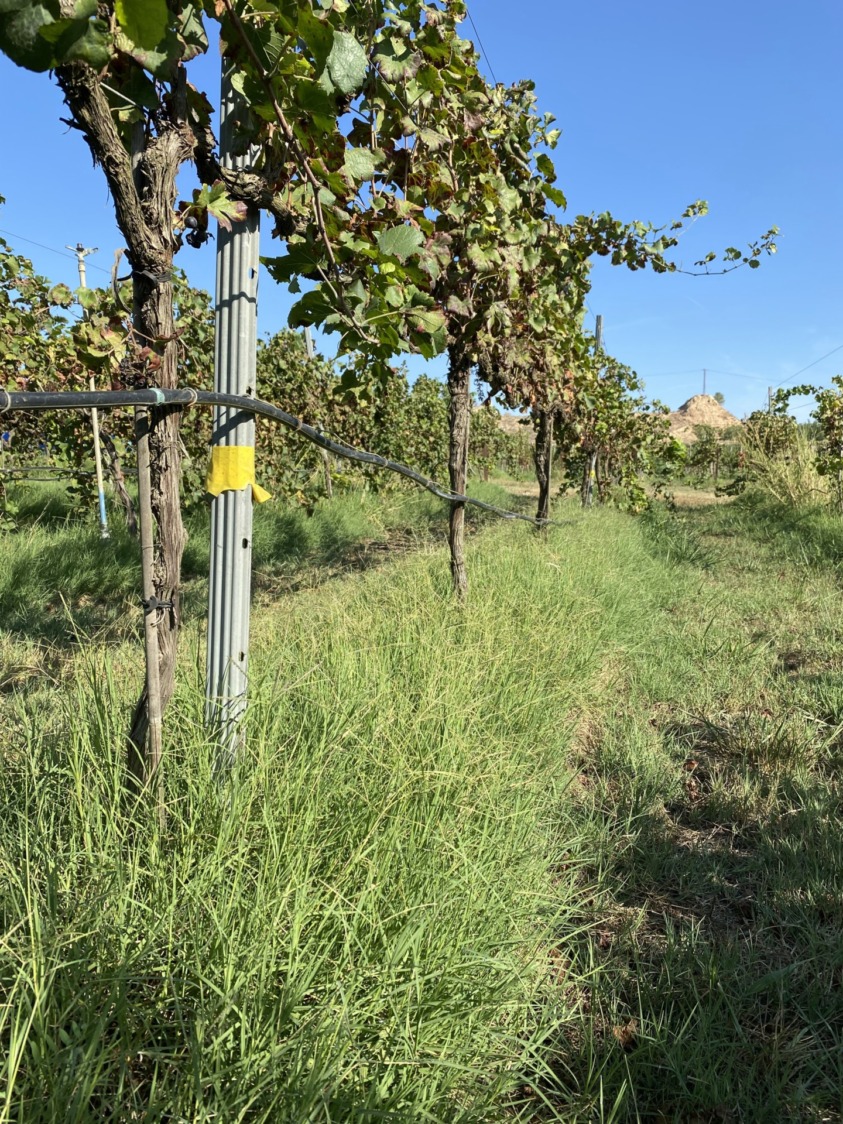
The results illustrate both the successes and challenges of agroecological measures in weed management and the need to adapt them to each local context to be effective. They also highlight the need for further research to develop efficient strategies for controlling perennial weeds in organic production systems with reduced soil disturbance.
Beyond agronomic results, the work also focuses on giving a second life to by-products such as almond residues or waste from winemaking, which can become useful resources within the agricultural system itself. This not only reduces waste but also helps lower farm management costs.
The project, funded by the Spanish State Research Agency (AEI) and the Next Generation / PRTR funds (TED2021-130138A-I00), is aligned with the principles of the circular economy, where waste ceases to be a problem and becomes a useful resource. In the case of vineyards, this translates into more efficient, sustainable production systems that are better prepared to face current challenges.
The results have direct application in the Mediterranean wine sector, especially in organic farms seeking viable alternatives to intensive soil tillage. In a context marked by climate change, strategies like this can help improve soil health and strengthen the resilience of agricultural systems.
More information: Weed Control Effect of Different Organic Mulches in Mediterranean Vineyards Diego Barranco-Elena, Jordi Recasens, Jordi Llorens-Calveras, Alexandre Escolà, Bàrbara Baraibar, https://doi.org/10.1111/wre.70085