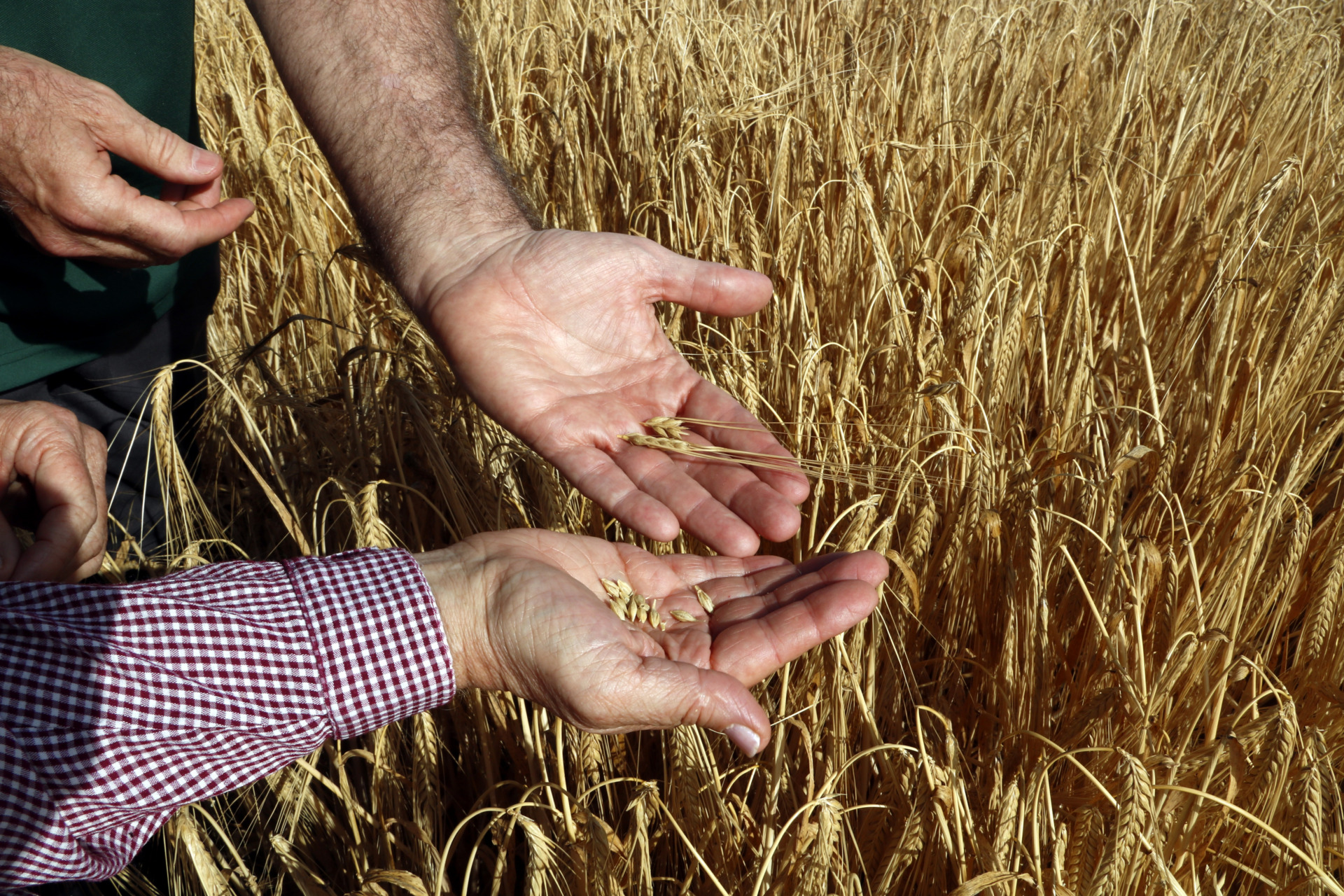
A project by Agrotecnio, Damm’s La Moravia malting plant, Semillas Batlle and Cupasa has analysed the impact of heat stress and nitrogen on malt yield and quality
Heatwaves, which are becoming increasingly frequent, can seriously jeopardise the production of malting barley. The ResOrMa project, has provided new evidence pointing to possible solutions to address this challenge, identifying strategies to improve the crop’s resilience and preserve malt quality in the context of climate change.
The results show that episodes of heat stress during grain filling can significantly reduce yield, mainly due to grain weight loss. However, the response is not uniform: the study has identified significant genetic variability between varieties, which makes it possible to identify more resistant varieties and opens new avenues for plant breeding.
Another key factor is nitrogen fertilization. Although it can boost yields under normal conditions, the project shows that it can also make the crop more vulnerable to heat stress, exacerbating losses in extreme conditions.
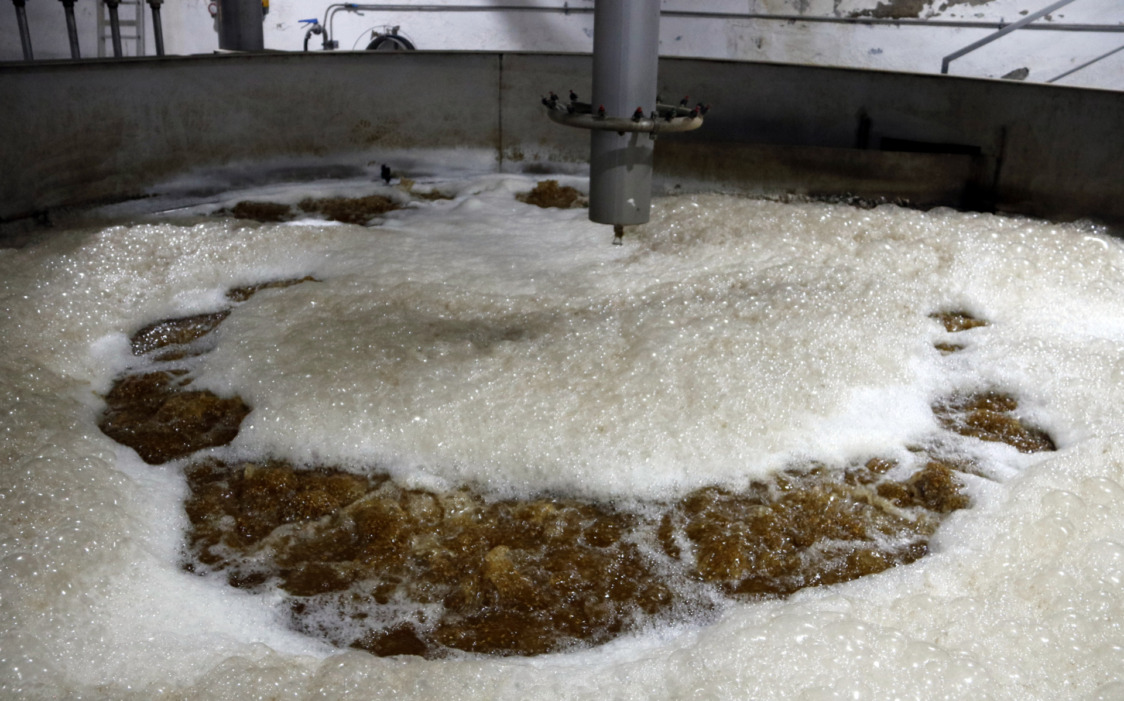
The impact of heatwaves also extends to quality. Research has found a reduction in malt extract, a key parameter for the brewing industry, as well as changes in other technological parameters, with potential implications for industrial processes and the stability of the final product.
As for pre-harvest germination—a phenomenon that can compromise grain quality in the event of rain prior to harvest—the results indicate that there is also variability between varieties. This opens the possibility of improving their resistance without affecting the germination required for the malting process.
With a clear focus on practical application, ResOrMa has combined research with the transfer of knowledge to the sector. Throughout the project, field days, technical sessions and a results presentation day have been organized, involving farmers, technical experts and companies across the value chain. In total, it is estimated that the initiative has reached more than 150 direct beneficiaries, and its impact is expected to extend to over 500 professionals in the coming years.
The findings provide strategies for adapting agronomic management and crop variety selection to an increasingly challenging climate and underscore the value of collaboration between the research community and the agricultural sector in moving towards a more resilient and sustainable agriculture.
Coordinated by Agrotecnio and with the participation of the La Moravia malting plant (part of the DAMM Group) and Semillas Batlle y CUPASA, the project has been carried out within the framework of the Operational Groups of the CAP Strategic Plan 2023–2027, with co-funding from the Ministry of Agriculture, the Government of Catalonia and the European Union.