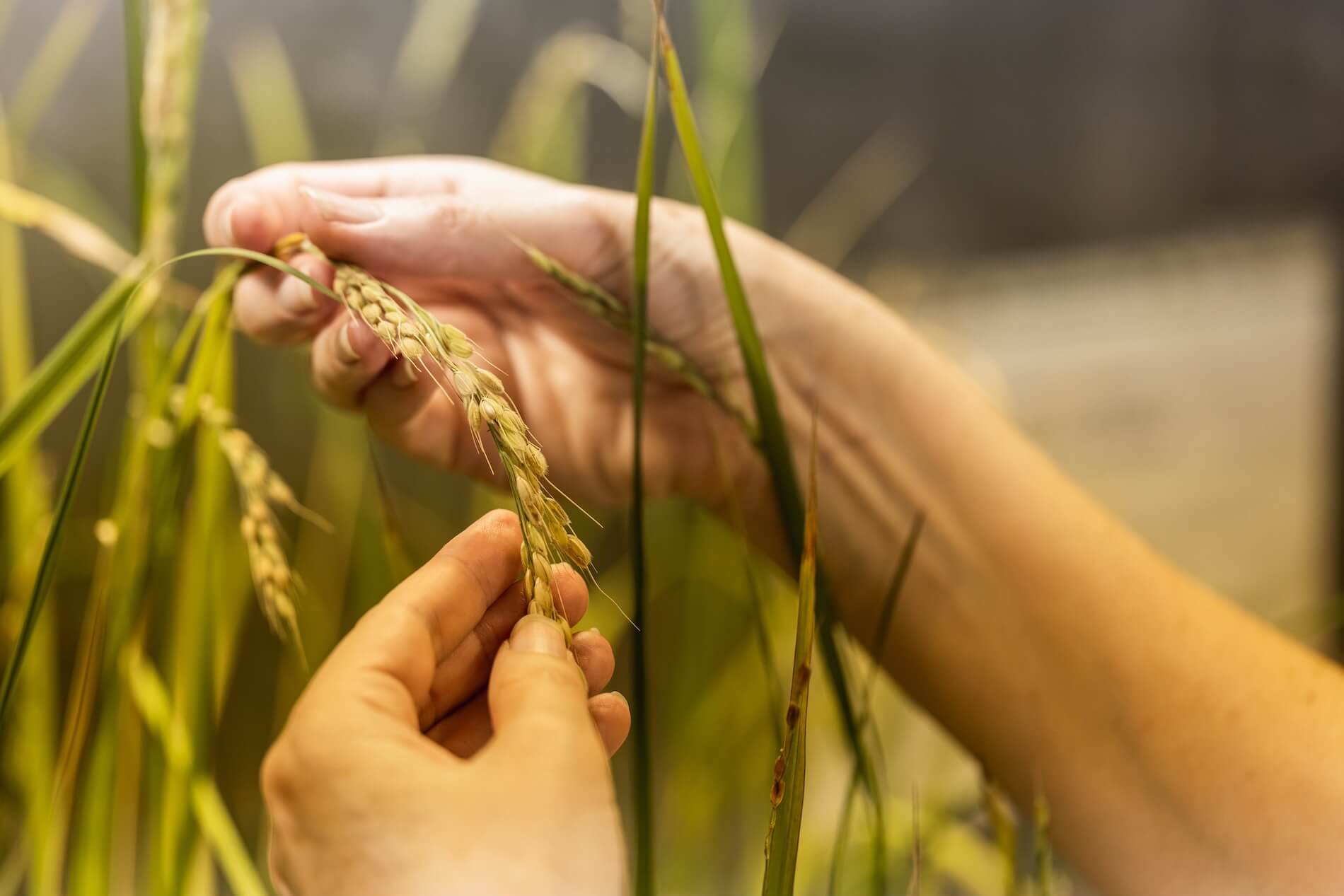
Pioneering call for proposals combining agricultural and biomedical research
Agrohealth
Agrotecnio and the Lleida Biomedical Research Institute (IRBLleida) have joined forces to promote Agrohealth, a joint call for proposals that encourages innovative research projects at the intersection of agriculture and biomedical research. This pioneering initiative aims to generate synergies between disciplines in order to tackle major global health challenges with an interdisciplinary and transformative vision.
Three editions of Agrohealth have been held so far (2022, 2024 and 2026), and the collaboration is expected to continue and expand in future calls.
Objectives
- Promote interdisciplinarity between agricultural and biomedical sciences
- Drive translational research from the agri-food sector
- Improve human health through shared scientific knowledge
- Promote stable collaborations between research groups
Projects
Agrohealth 2026: funded projects
Researchers
- Aritz Royo Esnal (Agrotecnio – Universitat de Lleida)
- Xavier Gallart Palau (IRBLleida – Universitat de Lleida)
Summary
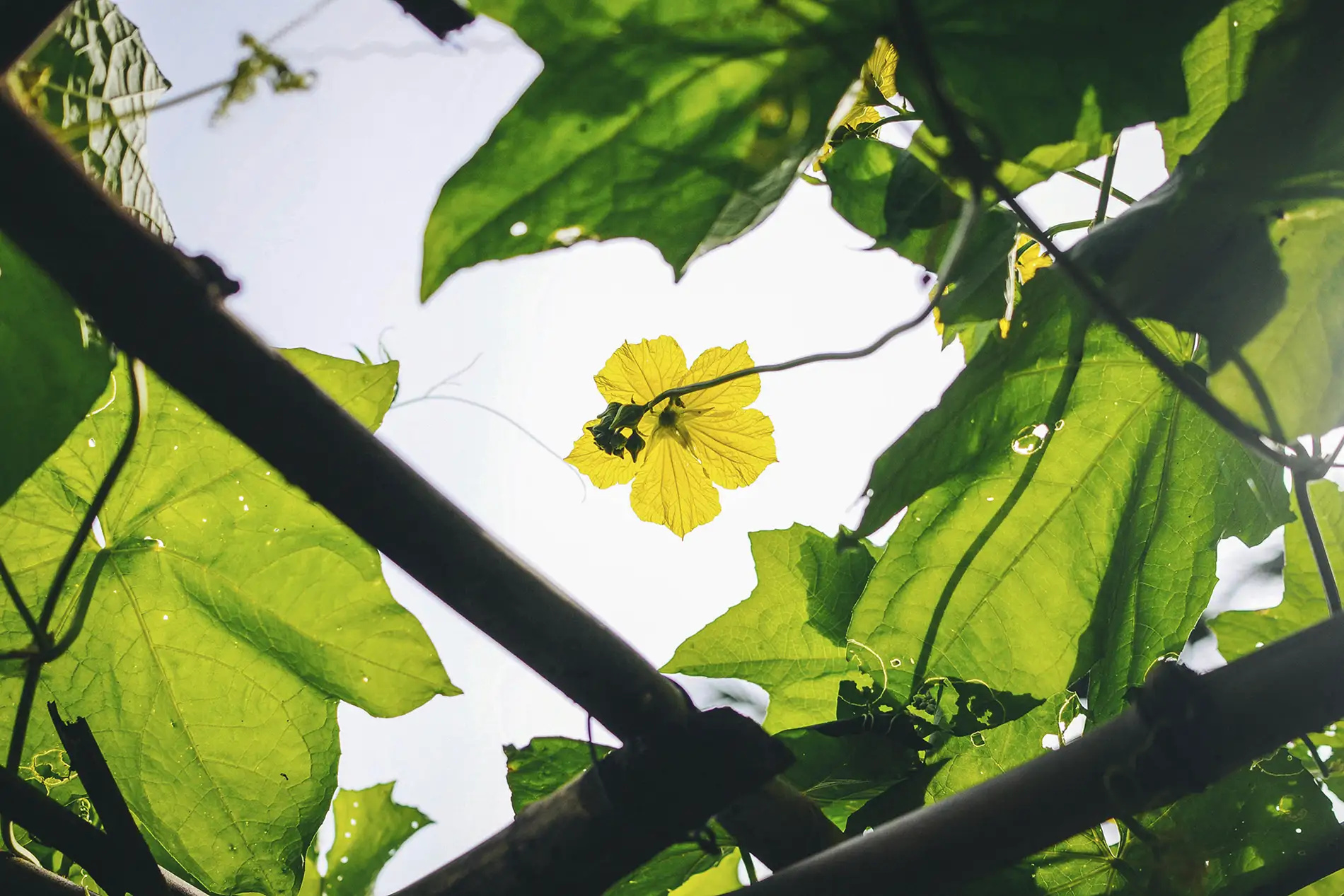
This project aims to harness loofah, a plant commonly used as a natural sponge, to extract molecules with neuroprotective potential.
The project hypothesises that optimising irrigation and fertilisation can increase the production of cysteine-rich peptides, bioactive compounds that could help protect cells in the neurovascular system and promote healthier ageing.
Researchers
- Beatriz Serrano Pérez (Agrotecnio – Universitat de Lleida)
- Marina Laplana Lafaja (IRBLleida – Universitat de Lleida)
Summary
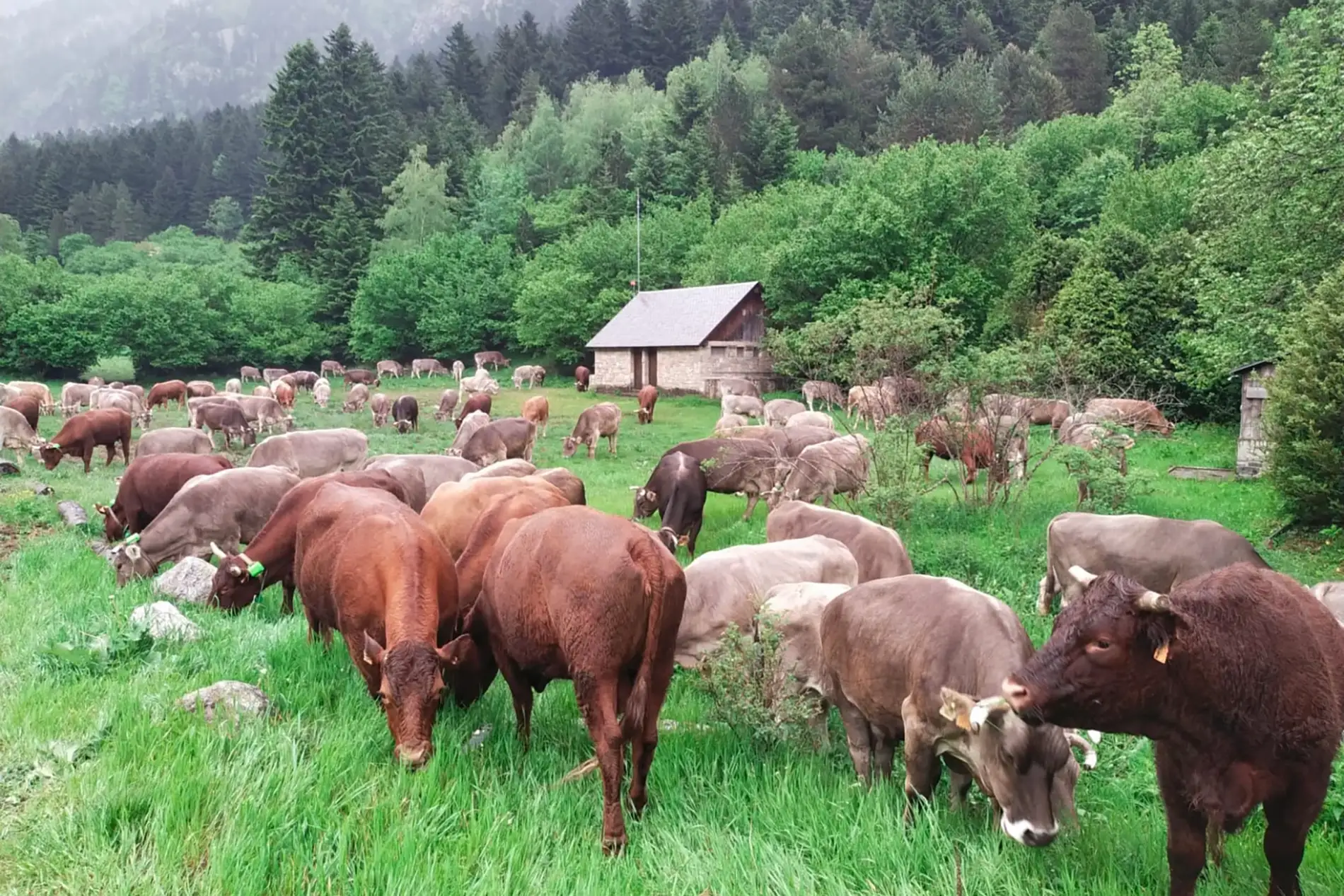
This project investigates how administering hydroxytyrosol—a natural antioxidant derived from agricultural by-products, such as olive pomace—to cows can modify the microRNAs in their milk. These small molecules regulate gene expression and can influence various physiological processes, potentially improving animal health and the quality of derived food products.
Researchers
- Giada Centenaro (Agrotecnio – Universitat de Lleida)
- José Carlos Serrano Casasola (IRBLleida – Universitat de Lleida)
Summary
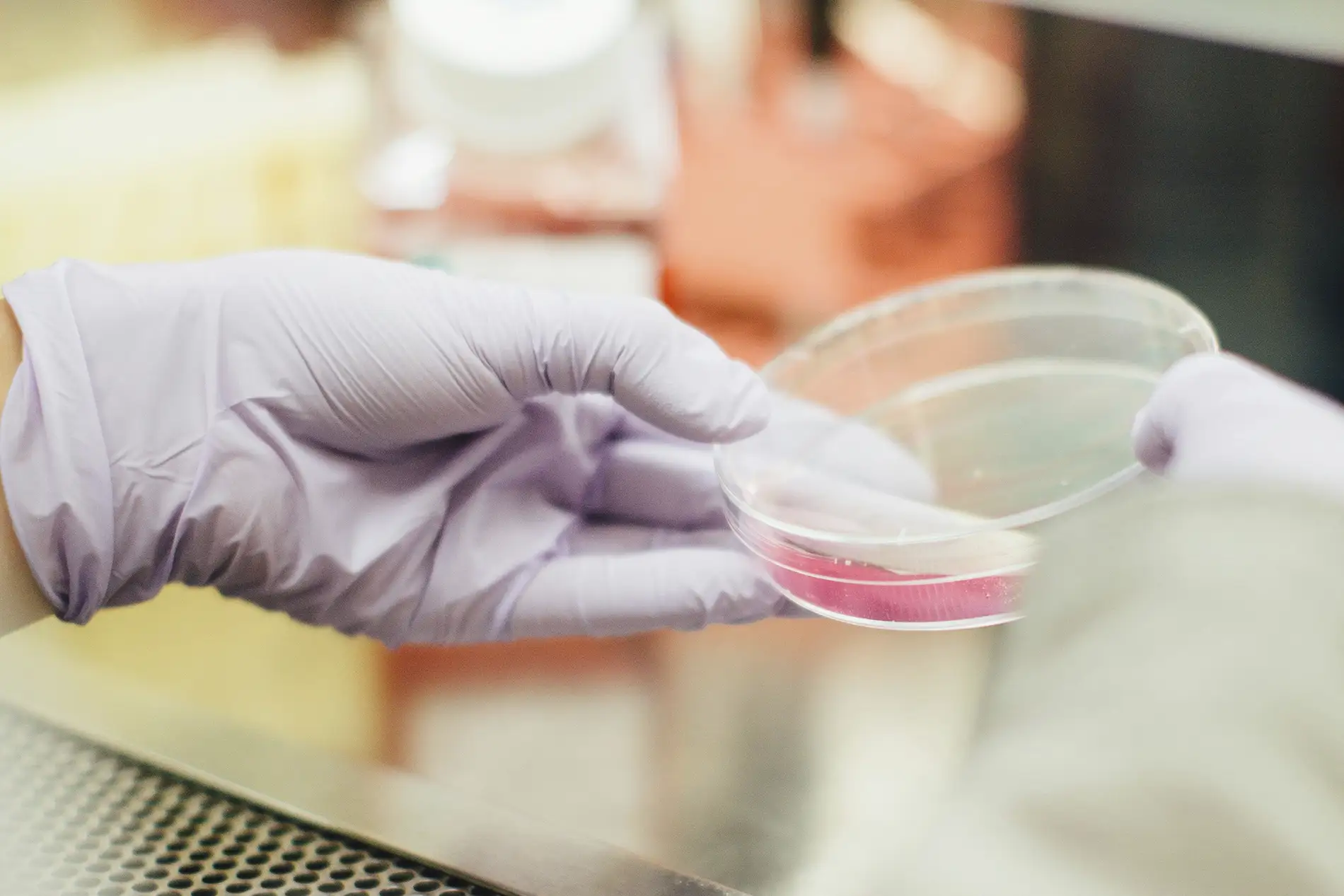
This project will investigate how chronic exposure to endocrine disruptors, such as bisphenol A (BPA), can alter the microorganisms living in the soil and rhizosphere, promote the uptake of these contaminants by plants and enable them to enter the human body through food. Once inside the body, these contaminants could alter the gut microbiome and affect health, particularly female reproductive health.
Agrohealth 2024: funded projects
Researchers
- Laura Rubió (Agrotecnio- Universitat de Lleida)
- Diego Arango del Corro (IRBLleida)
Summary
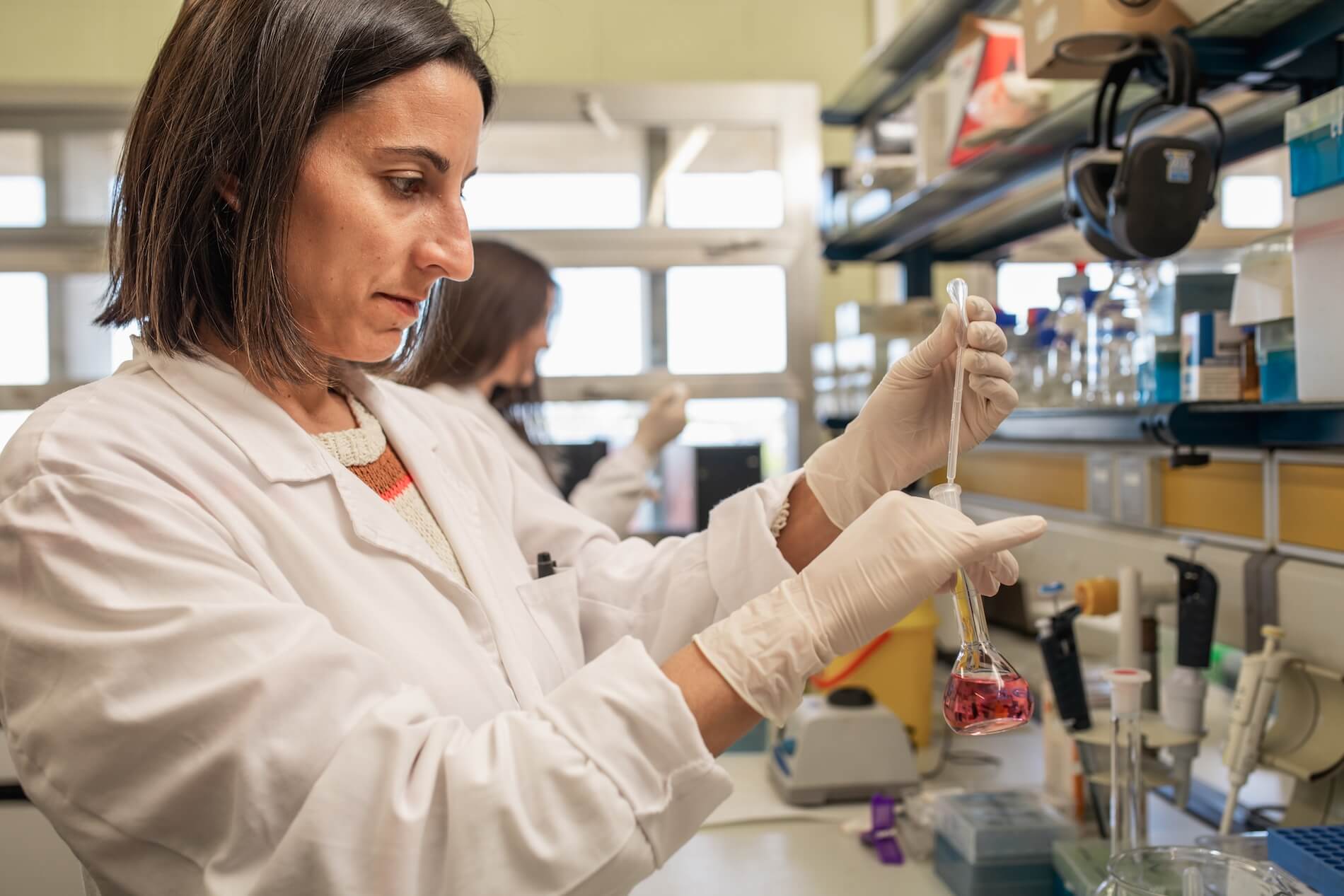
The CHEMBAR project studies how foods made from barley rich in bioactive compounds can help prevent colorectal cancer, one of the leading causes of cancer mortality worldwide.
The research focuses on investigating and analysing the effects of certain natural components of barley (such as β-glucans, polyphenols and fibres) that have anti-tumour, antioxidant and anti-inflammatory properties. These compounds may help reduce the risk of developing tumours in the colon.
Researchers
- Paul Cristou (ICREA i Agrotecnio)
- Manel Portero (IRBLleida – UdL)
Summary
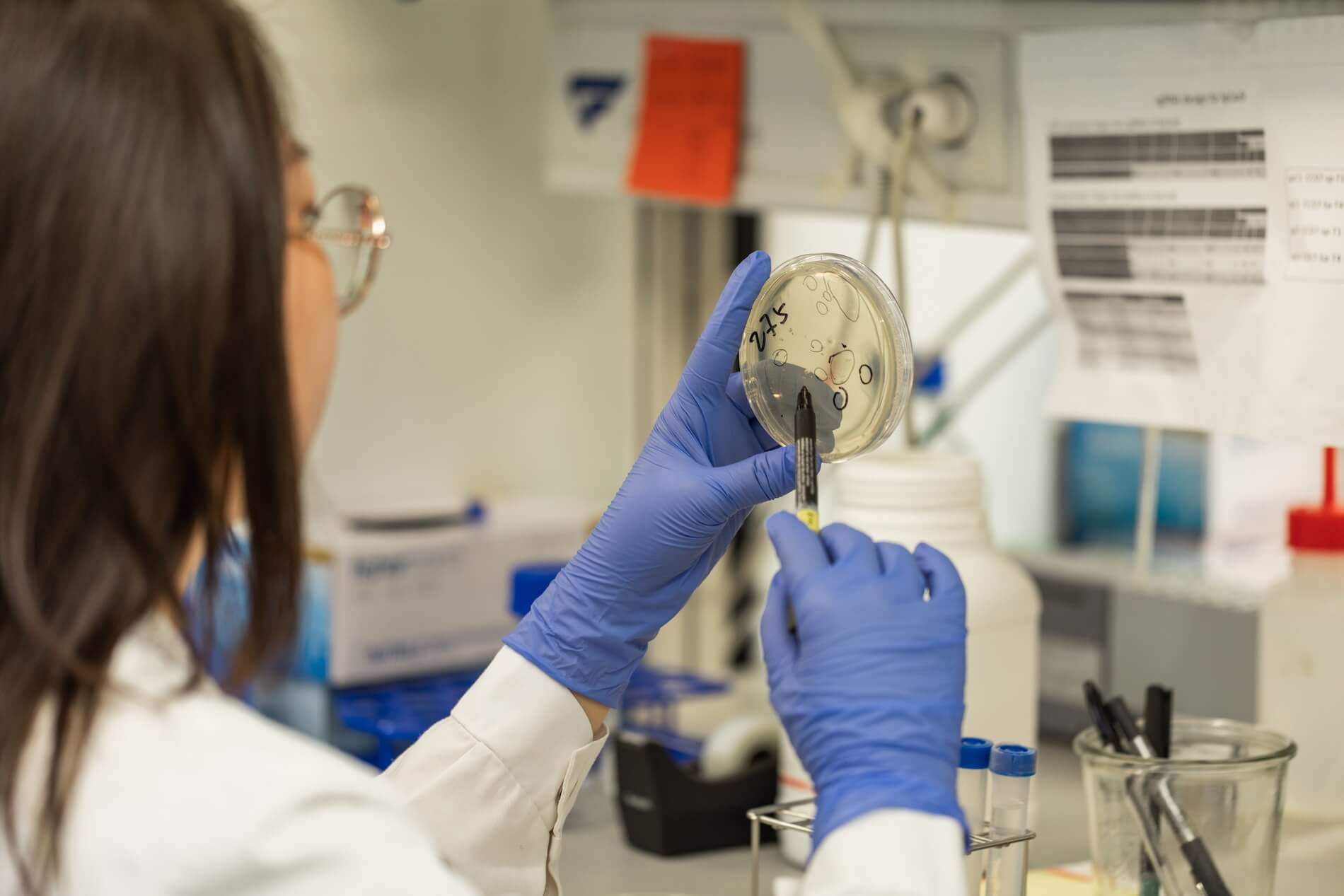
This project investigates how certain natural compounds present in rice can act as microbicidal agents, i.e., with the ability to combat bacteria, viruses, and fungi responsible for infectious diseases.
Researchers analyse proteins, peptides and other bioactive molecules extracted from various rice varieties in order to identify their antimicrobial potential. These substances may be useful in the prevention or treatment of infections, especially in a context of growing antibiotic resistance and new global health threats.
Researchers
Laura Salvia (Agrotecnio – Universitat de Lleida) i Nuria Eritja (IRB Lleida – UdL)
Summary
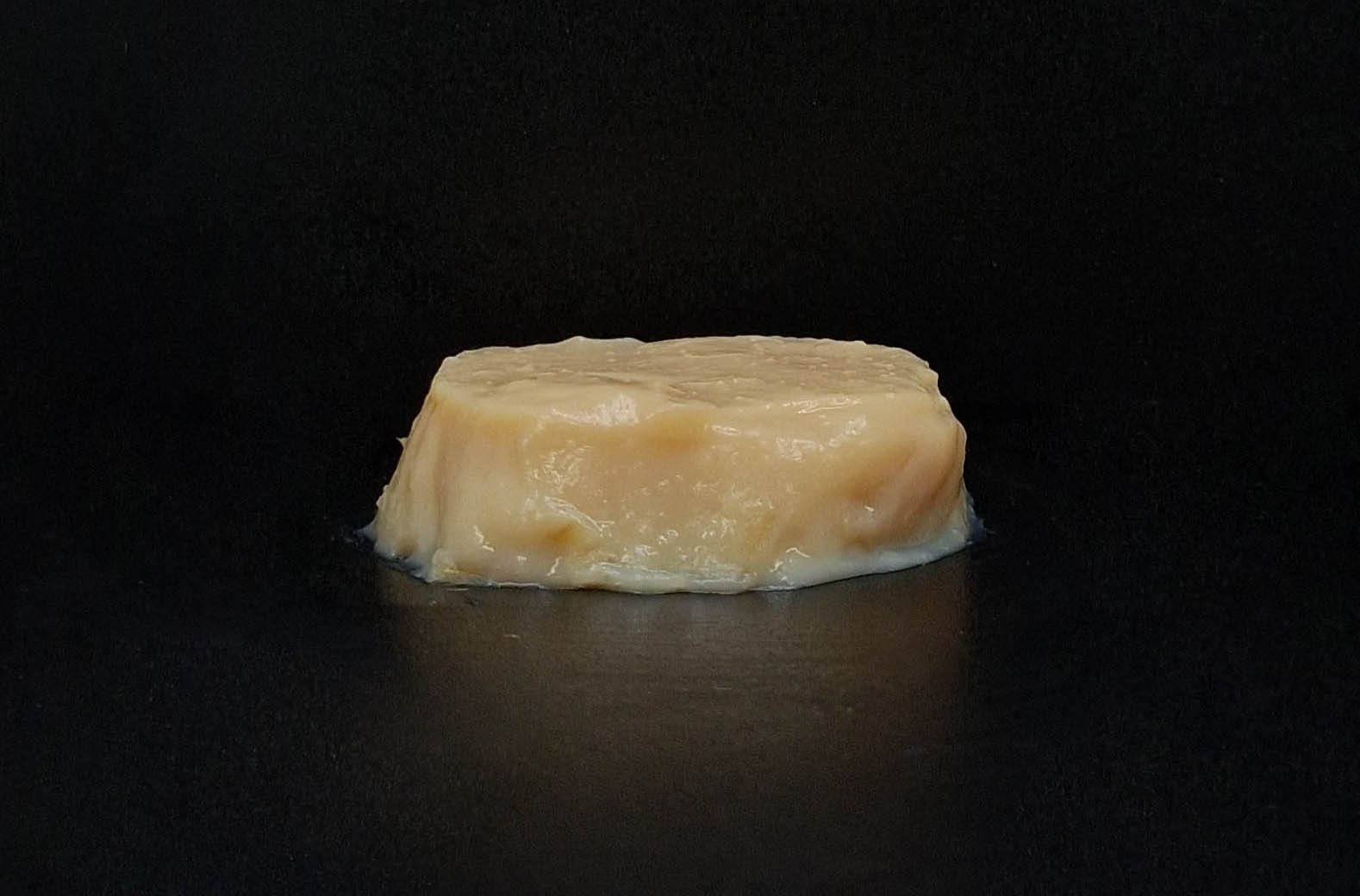
This project develops nanostructured edible systems (such as nanoparticles or emulsions) to administer beta-carotene, a natural antioxidant compound, with the aim of enhancing its preventive effect against cancer through diet.
The main challenge is to improve the stability, bioavailability and efficacy of beta-carotene when ingested, as it has low solubility and is poorly absorbed in its natural form. The project proposes encapsulating it in edible nanostructured systems, which can be incorporated into functional foods or dietary supplements.
Agrohealth 2022: Funded projects

Researchers
- Immaculada Viñas (Agrotecnio- UdL)
- José Serrano (IRB Lleida – UdL)
Summary
The project aims to develop and evaluate a biotransformation strategy to reduce the presence of patulin (a potentially toxic mycotoxin produced by fungi) in apple juice. The study combines an analysis of the technological feasibility of the process and its toxicological safety with the ultimate goal of improving the quality and safety of these food products.
Researchers
- Gabriel de la Fuente (Agrotecnio-UdL)
- Ángeles de la Torre (IRBLleida – UdL)
Summary
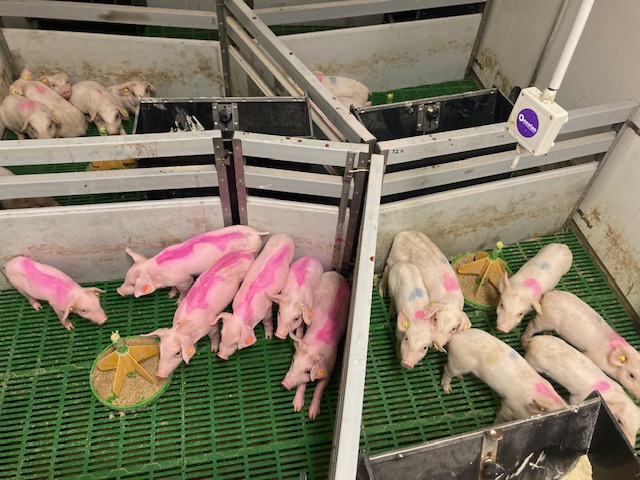
The project uses weaned pigs as an animal model to evaluate the efficacy of a biotechnologically modified yeast in preventing iron deficiency anaemia. The objective is twofold: to improve sustainability and welfare in pig farming and to explore a probiotic and sustainable solution to combat iron deficiency anaemia in humans.
Researchers
- Olga Martín (Agrotecnio-UdL)
- Gemma Bellí (IRBLleida-UdL)
Summary
This project studies how certain dietary fibre components and structures with β-carotene can modulate the gut microbiota and reduce obesity-related inflammation, with the aim of developing functional foods with anti-obesity effects.