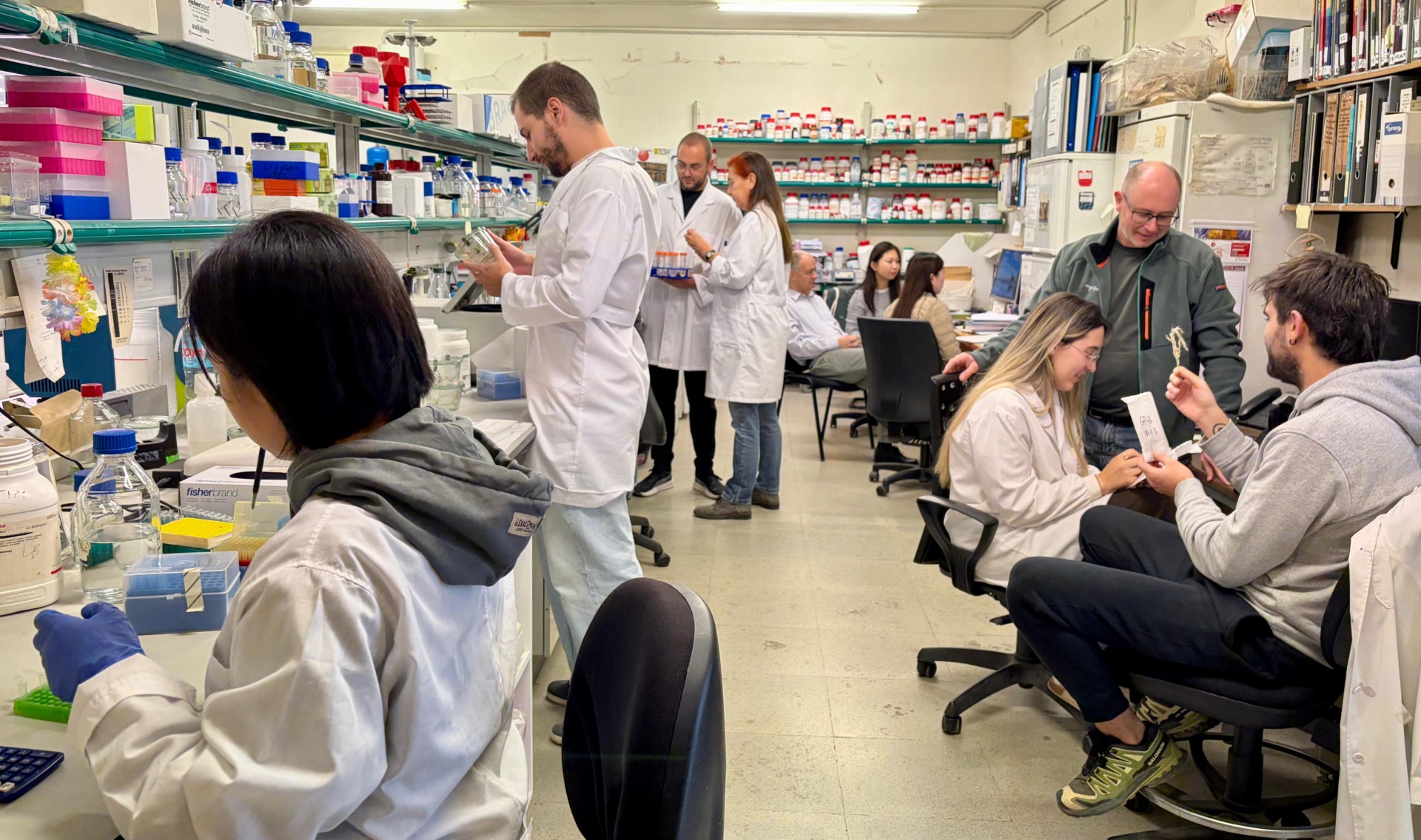
Agrotecnio is part of the consortium behind a major new international project that combines biotechnology and artificial intelligence to strengthen food security.
The BIOCRAFT project — Crafting System Resilience – from a Holistic Biotech Approach to Smart Crops and Efficient Biomanufacturing — begins its four-year journey this month. It is an EIC Pathfinder project under the Horizon Europe program, bringing together research centres such as Agrotecnio, technology providers and agricultural partners from across Europe to develop new potato and rice varieties better adapted to climate change. BIOCRAFT will drive innovative solutions to strengthen the sustainability, resilience and competitiveness of the European agri-food sector.
BIOCRAFT aims to address one of the most pressing agricultural challenges: ensuring resilient and sustainable agricultural production in the face of climate change. Given the increasing frequency of droughts and heatwaves, as well as growing soil degradation, salinity and crop diseases, the project will combine biotechnology, artificial intelligence and crop science to help crops better withstand environmental and biological pressures.
Coordinated by the Fraunhofer IME institute (Germany), the project brings together a multidisciplinary consortium from four European Union countries: Agrotecnio (Spain), KPMG Portugal, SGS Portugal, IRIS Technology Solutions (Spain), SA.PI.SE. Società Agricola (Italy), ADV Arròs de Pals (Spain) and the Public University of Navarre (Spain). The German company KWS Saat SE & Co. KGaA participates as an associated partner.
“Climate change is posing urgent challenges for agricultural production and food security across Europe. Through BIOCRAFT, we are developing innovative solutions that will help crops better withstand environmental pressures, while opening up new opportunities for sustainable biomanufacturing,” says Professor Stefan Schillberg, project coordinator at Fraunhofer IME.
Greater resilience, productivity and nutritional value
Over four years, the consortium will develop and validate a new generation of potato and rice crops with greater resilience, productivity and nutritional value. BIOCRAFT will integrate advanced biotechnology, artificial intelligence, crop monitoring technologies and research into the soil microbiome to improve crop performance, enhance stress tolerance and promote more efficient use of natural resources.
Plant-based biomanufacturing approaches will also be explored, turning potato and rice into sustainable factories for two high-value molecules, IGF1 (Insulin-like Growth Factor 1), which promotes cell growth and proliferation for cultured meat and regenerative medicine applications and FGF2 (Fibroblast Growth Factor 2) which supports stem cell growth and tissue regeneration for cell culture, cultivated meat and biomedical applications. These activities are expected to create new opportunities for European biotechnology and contribute to the transition towards a more sustainable bioeconomy.
In addition, the project will address the regulatory, environmental and social dimensions of next-generation crop technologies, supporting their responsible development and future adoption across Europe. By strengthening the resilience, sustainability and competitiveness of the European agri-food sector, BIOCRAFT aims to contribute to Europe’s long-term food security.
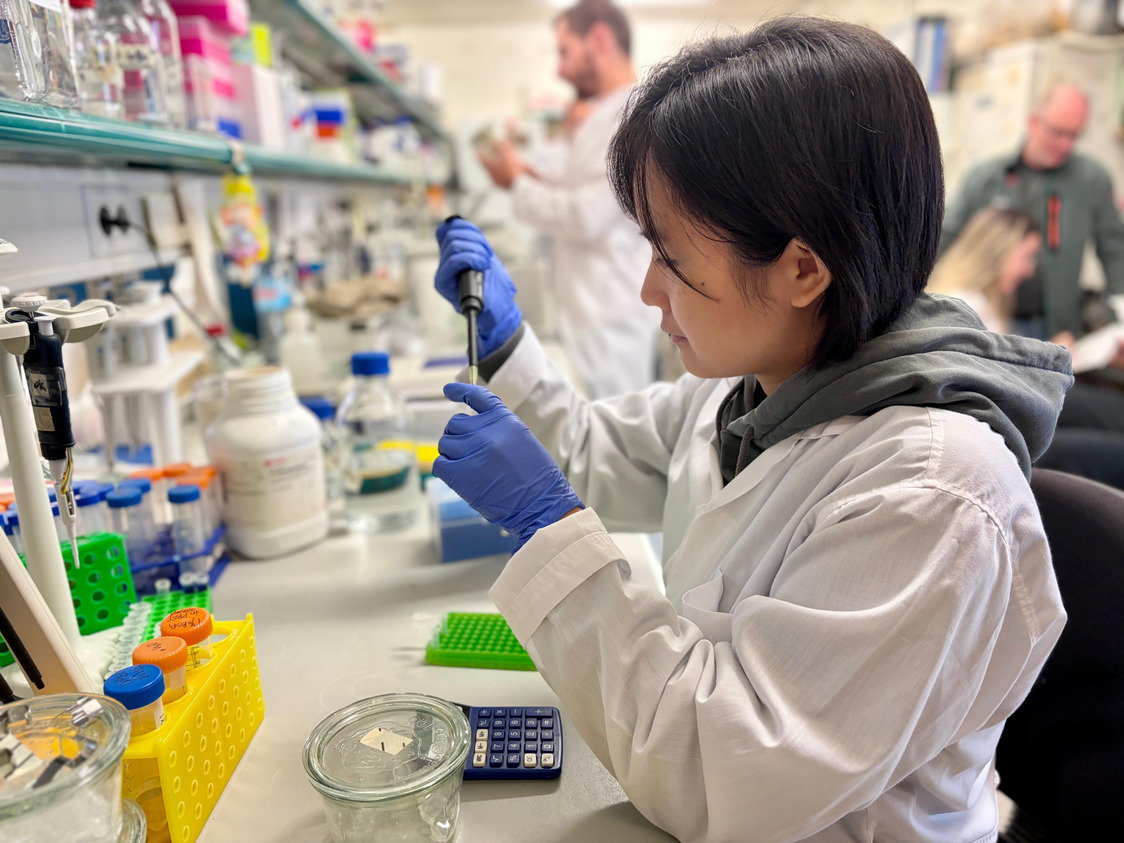
The role of Agrotecnio
Agrotecnio is an international leading centre in plant molecular biology and metabolic engineering research. It will contribute its expertise in rice genome editing, stress physiology and nutritional trait improvement to BIOCRAFT. “Our group is a pioneer in cereal transformation systems, which enables us to support the development of this project with genomic, phenotypic and microbiome data to accelerate the development of climate-resilient crops,” explain researchers Paul Christou and Teresa Capell (Agrotecnio-Universitat de Lleida), who add: “BIOCRAFT will help position Catalonia and Spain at the forefront of sustainable agricultural innovation by developing crops that are more resilient to climate change, more productive and more nutritious. At the same time, the knowledge and technologies generated will contribute to strengthening food security and advancing the global bioeconomy.”
This project has received funding of €3.81 million from the European Union’s Horizon Europe research and innovation programme under grant agreement No. 101307230.