A study by the UdL, Agrotecnio and the IRBLleida shows that fibre concentrates left over from juice production can improve the intestinal microbiota and promote the production of short-chain fatty acids beneficial for the colon.
The project “Design of functional foods with active principles with potential anti-obesity properties” is part of the Agrohealth 2022 call, promoted by Agrotecnio and the IRBLleida.
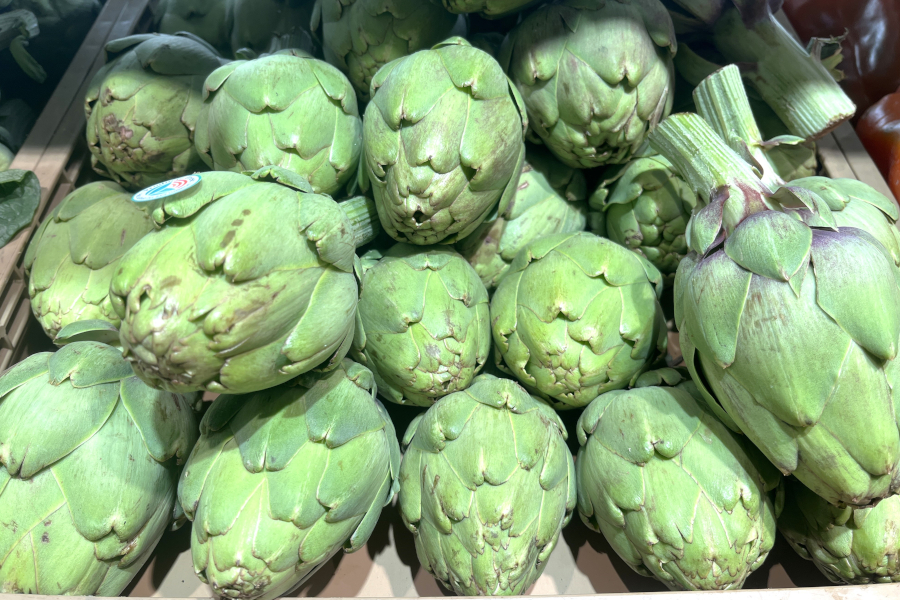
Dietary fibre concentrates derived from vegetables, especially artichoke and carrot, have a high potential as prebiotics, since they improve the intestinal microbiota by favouring the predominance of Bacteroidetes. These bacteria ferment fibre and increase the production of short-chain fatty acids (SCFAs), which are key to colon health. These properties would make it possible to reuse residues from the juice extraction industry as functional ingredients, contributing to the valorisation of agricultural by-products.
This is the main conclusion of a study carried out by researchers from the University of Lleida (UdL), Agrotecnio and the IRBLleida, published in the journal Food Hydrocolloids for Health. The study, entitled “Design of functional foods with active principles with potential anti-obesity properties”, was led by the researchers Gemma Bellí, from IRBLleida-UdL, and Olga Martín, from Agrotecnio-UdL, and forms part of the Agrohealth 2022 call, promoted by Agrotecnio and the IRBLleida.
The study evaluated dietary fibre concentrates obtained from the bagasse (pulp and peel) remaining after the extraction of vegetable juices from artichoke, carrot, cucumber and red pepper, supplied by Indulleida S.A. The research team measured their impact on the specific composition of the intestinal microbiota and on SCFA production over 48 hours, using an in vitro digestion model that simulates the human gastrointestinal process.
The results indicate that artichoke and carrot fibres especially stimulate beneficial bacteria such as Lactobacillus and Bifidobacterium. Artichoke fibre, moreover, generates the highest amount of butyrate or butyric acid, a compound that is essential as an energy source for colon cells and for maintaining the integrity of the epithelial barrier, with associated anti-inflammatory effects.
Fermentations of cucumber, red pepper and carrot reach the highest concentrations of acetic acid, which is involved in various physiological functions, such as the regulation of satiety and body weight, antimicrobial activity, and the induction of apoptosis (programmed cell death) in cancer cells. As for propionic acid, also related to the release of hormones that increase the sensation of satiety and may reduce food intake, an increase is observed during the first 24 hours with red pepper fibre and at 48 hours with cucumber fibre.
“Dietary fibre concentrates derived from vegetables not only help to maintain colon pH, but also promote the production of short-chain fatty acids, thus favouring intestinal health,” highlights Gemma Bellí, professor at the Faculty of Medicine of the UdL and first author of the article. “Those from artichoke in particular may represent a promising candidate for future research as a functional dietary ingredient,” she adds.
This study was jointly led by Bellí and Olga Martín-Belloso, Professor of Food Technology at the UdL and head of the New Food Processing Technologies group at Agrotecnio. Ana A. Vaz, Isabel Odriozola-Serrano and Gemma Oms-Oliu also participated. The research team proposes future in vivo studies to confirm these effects of vegetable fibres under real physiological conditions.
MORE INFORMATION:
Article: Exploring the prebiotic potential of dietary fibre concentrates from artichoke, red pepper, cucumber, and carrot by-products