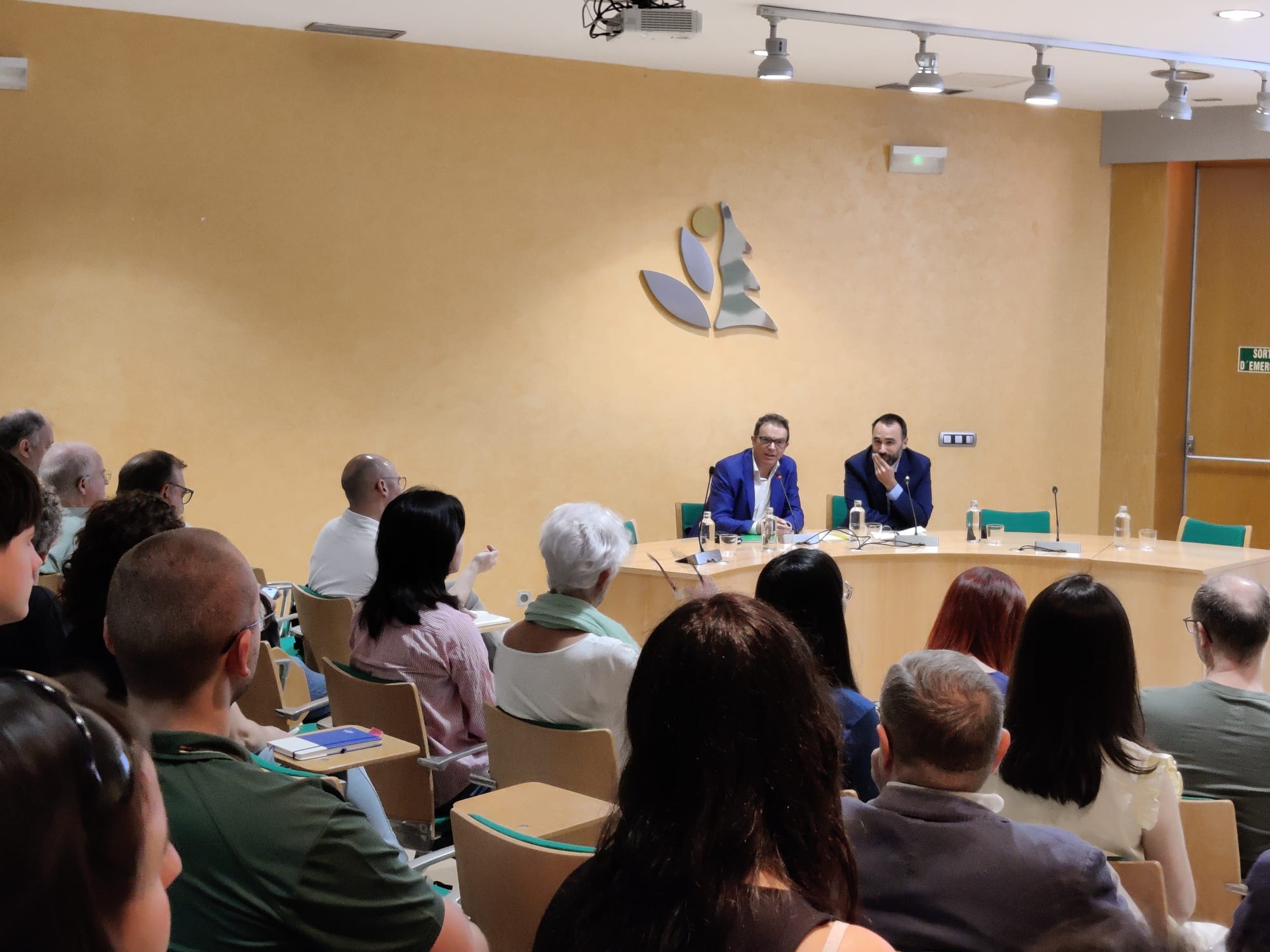
- A technical workshop analyzes the potential of genetic editing to improve rice resistance to pests and diseases, with the aim of promoting a more sustainable and environmentally agriculture
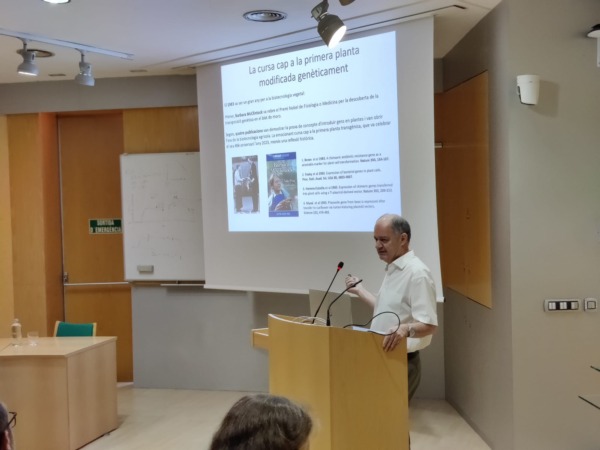
A leading research team in plant biotechnology has participated in the technical seminar “Genome Editing. Improving Rice Immunity by Cutting DNA,” organized by Agrotecnio and the University of Lleida (UdL) with the support of the Department of Agriculture, Livestock, Fisheries and Food (DARPA).
The event was promoted by the Applied Plant Biotechnology Group of Agrotecnio and UdL, led by Paul Christou and Teresa Capell, pioneers on a global scale in the application of genetic editing for rice improvement.
The main objective of the seminar was to analyze how genetic editing tools, also known as “CRISPR technology,” can help develop rice varieties that are more resistant to diseases such as rice blast or burning, caused by the fungus
Magnaporthe oryzae, which poses a serious threat to the crop, especially in areas like the Ebro Delta.
ICREA researcher Paul Christou opened the session with an overview of more than 40 years of advances in plant biotechnology. He emphasized that current tools allow the modification of specific genes without retaining foreign DNA in the plant, an advancement that could lead to a change in European regulation regarding these techniques.
For her part, Teresa Capell, accompanied by researchers Xin Huang, Wenshu He, and Anna Thepbandit, presented the results of several projects that have identified and edited sensitivity genes in rice. These modifications make it possible to generate fungus-resistant plants without the need for fungicides, thereby reducing environmental impact.
Biologist Ludovic Bassié, also a researcher at Agrotecnio and UdL, explained the natural defense mechanisms of plants and the fundamental role of resistance (R) and sensitivity (S) genes. Using examples applied to crops such as tomato, rice, potato, and orange tree, he showed how genetic engineering can create varieties that are more resistant to various diseases.
Finally, Sònia Gòmez, a technician from the Agricultural Planning Service of the Department of Agriculture, Livestock, Fisheries and Food, addressed the regulatory issues associated with genetic editing. She emphasized the importance of regulatory harmonization at the European level to foster innovation, while ensuring food safety in a context marked by climate change.
The seminar concluded with a participatory workshop, where attendees were able to closely observe the experimental process for obtaining genetically edited rice varieties.
This activity is part of the Annual Technology Transfer Plan (PATT 2025) and contributes to positioning Lleida as a hub of reference in genomic research applied to sustainable agriculture.