The research centre will take part in this science outreach initiative with two hands-on workshops exploring how technology can transform food and the way crops are studied
Agrotecnio will take part in the European Researchers’ Night on 2 October with two hands-on activities focusing on technologies that are transforming the agri-food sector: 3D food printing and photogrammetry applied to precision agriculture.
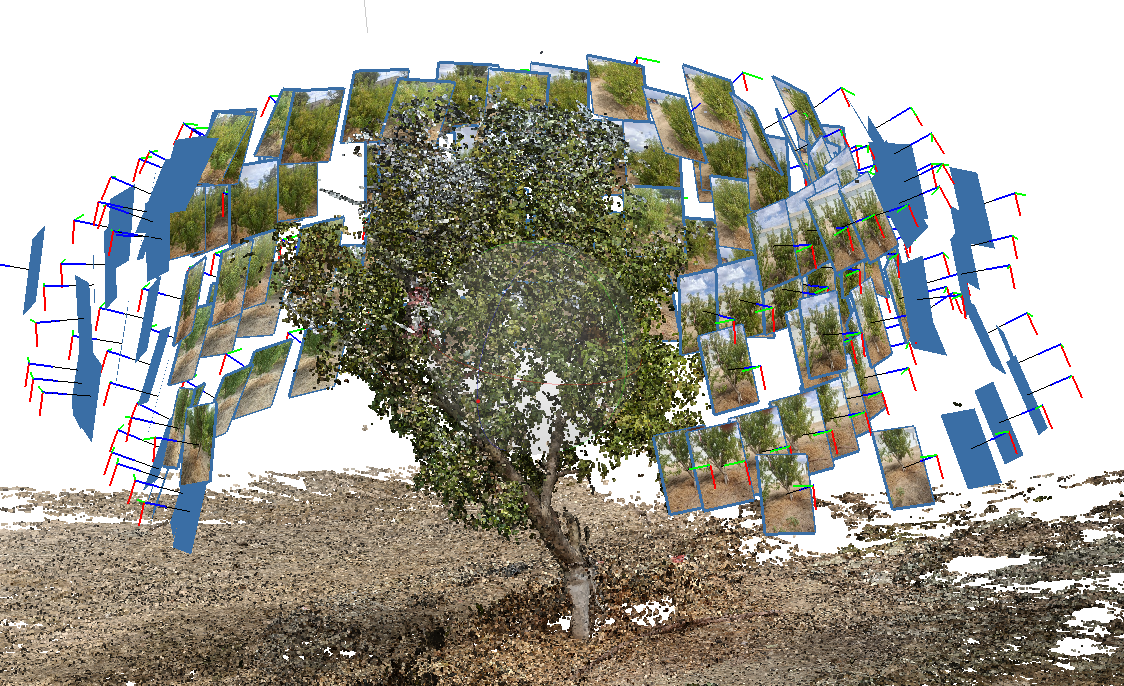
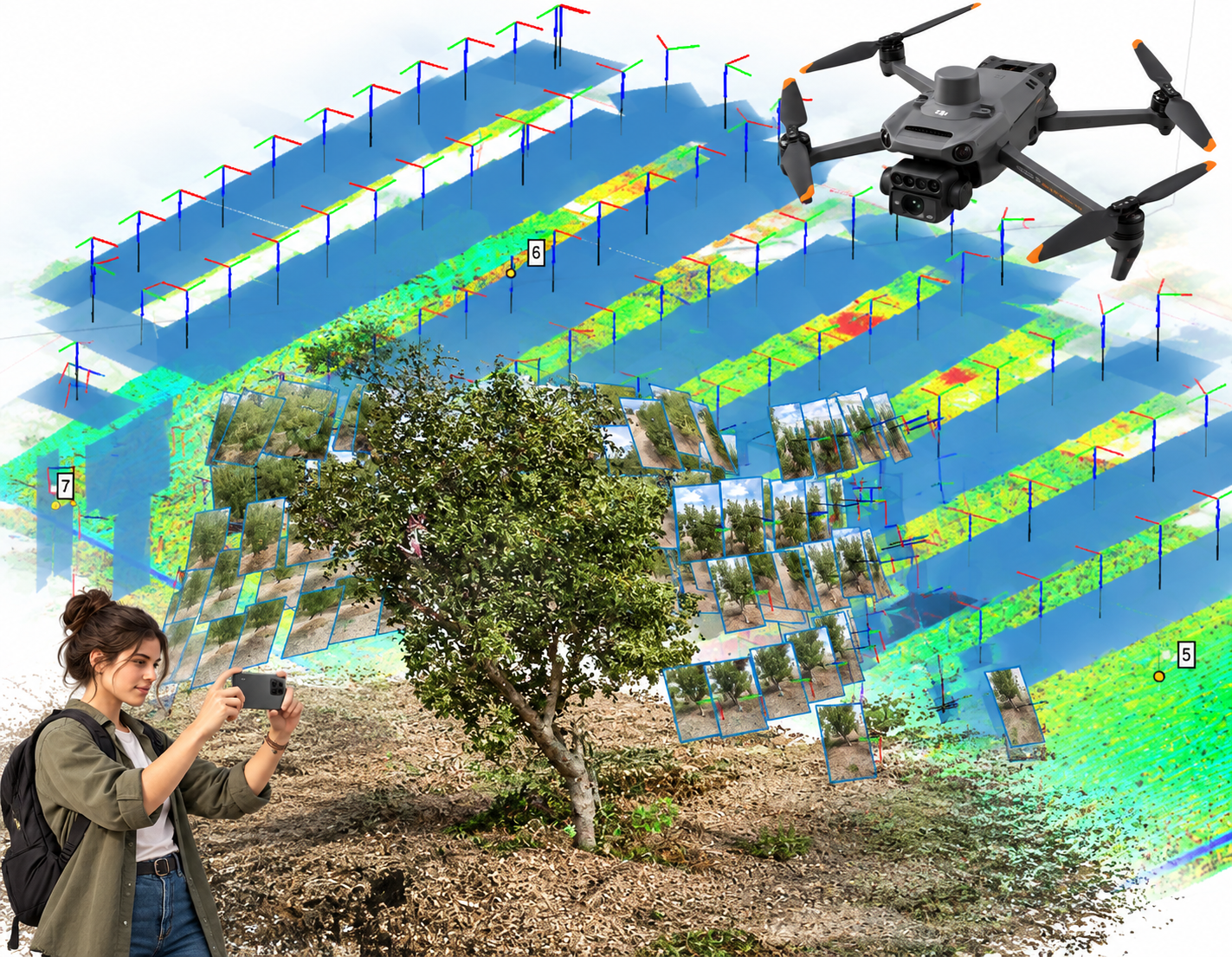
The two activities will give participants the opportunity to experience these technologies first-hand and discover some of their applications in the agri-food sector. On the one hand, they will learn how a 3D printer can turn edible mixtures into foods with customised shapes and textures and, on the other, how simple photographs taken with a mobile phone can be transformed into three-dimensional models that can be used to measure plants and study crops.
Agrotecnio’s participation is part of the programme coordinated in Lleida by the University of Lleida, which this year offers around fifty workshops, visits and talks involving different research groups and centres, including IRBLleida and the Forest Science and Technology Centre of Catalonia. The activities will take place across different university campuses and facilities, with a significant part of the programme concentrated on 2 October. Prior registration is required to take part.
The European Researchers’ Night is a science outreach initiative held simultaneously across different European territories, with the aim of bringing science and the people who work in research closer to society as a whole.
Creating food with a 3D printer
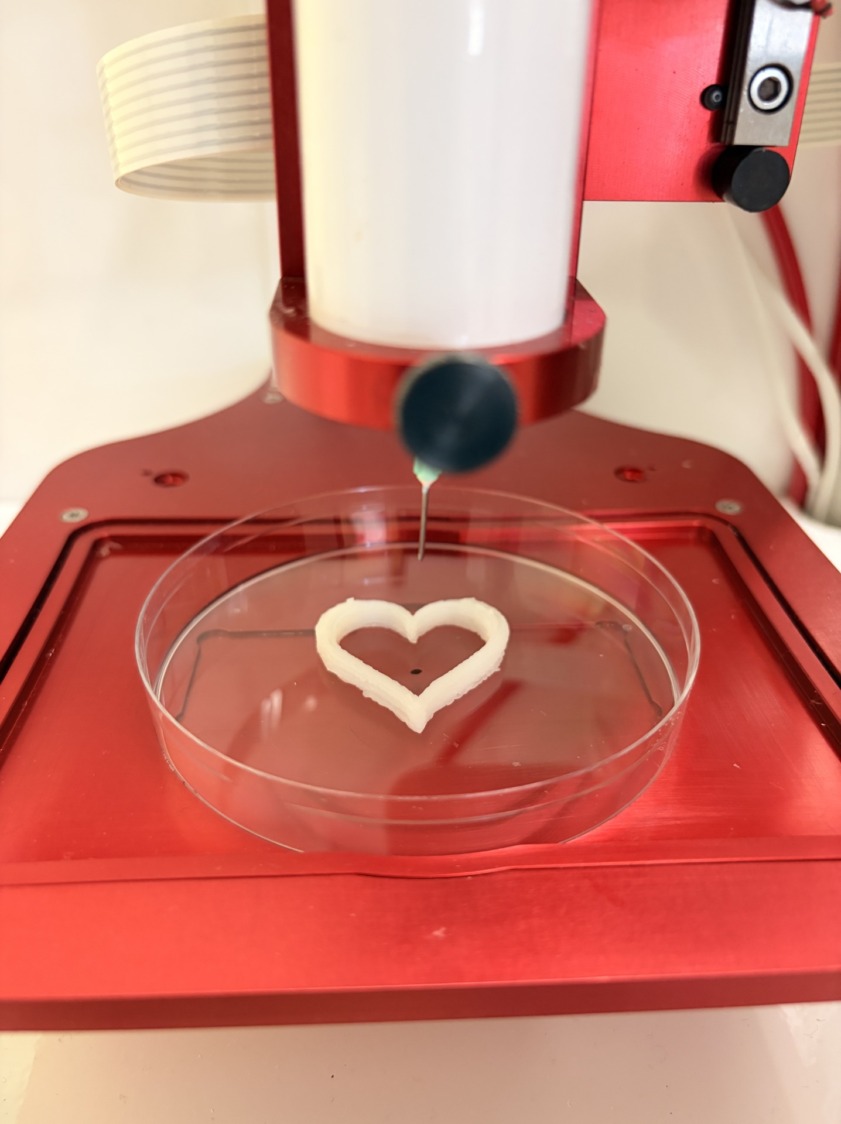
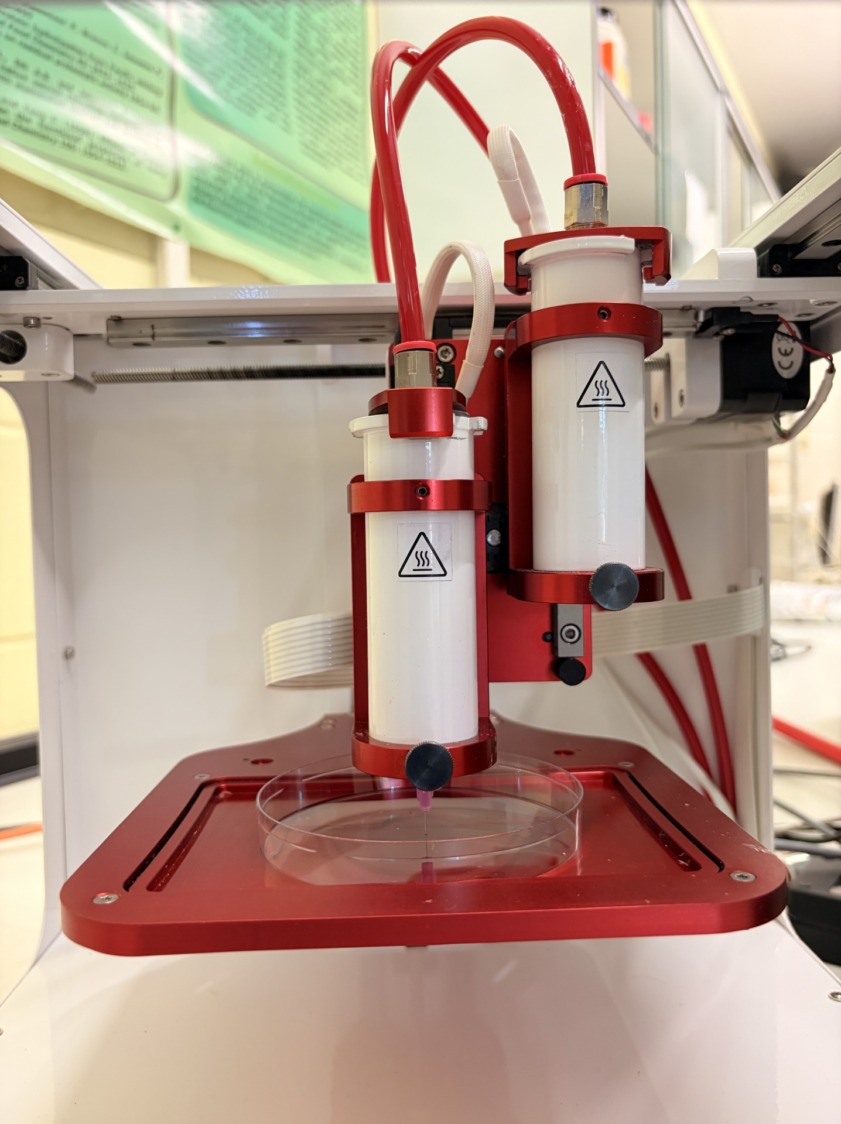
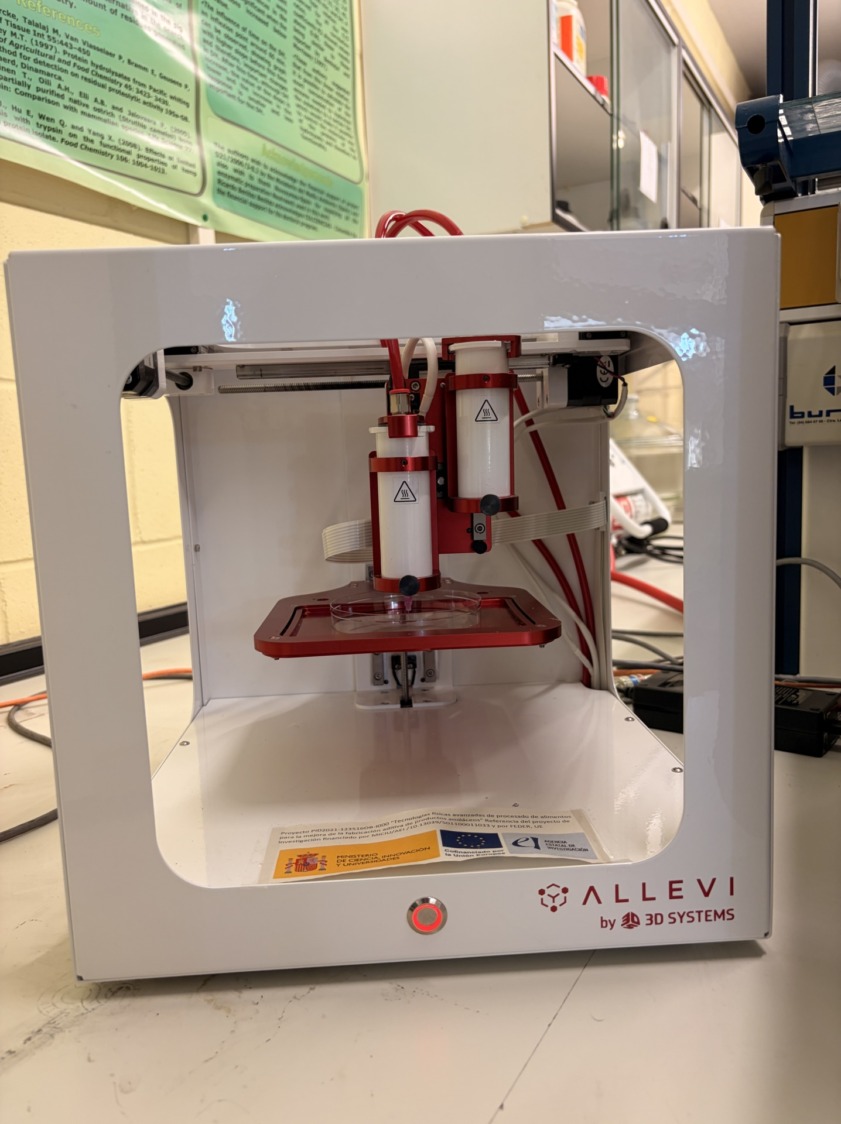
The workshop “26. 3D Flavours: Make and Print Your Own Food” will demonstrate how 3D printing can be used to create food from edible mixtures known as bioinks.
During the activity, participants will discover how common ingredients can be turned into materials suitable for 3D printing, such as starch, which helps provide shape and consistency, and powdered orange peel, a source of fibre that can also help stabilise the mixtures.
The activity will begin at the pilot plant of the Department of Food Technology, Engineering and Science at the University of Lleida, where this research field and some of its potential applications will be introduced. These include the development of foods with textures adapted for people with difficulties chewing or swallowing, as well as foods enriched with fibre, vitamins or minerals. The second part of the workshop will take place at the Laboratory of New Food Processing Technologies, where participants will see a demonstration of extrusion-based 3D food printing.
The activity will also explore the potential of this technology to contribute to more sustainable food production by making use of agri-food by-products, such as orange peel.
From mobile phone to 3D model: measuring plants through photographs
The second activity, “25. From Mobile Phone to Virtual Reality: How to Model and Measure Plants in Three Dimensions from Photographs”, will introduce participants to digital terrestrial photogrammetry, a technology that makes it possible to reconstruct objects and spaces in three dimensions from two-dimensional images.
The workshop will show how a video recorded with a conventional mobile phone can be used to generate a three-dimensional digital model through specialised processing tools. Participants will be able to follow the entire process, from capturing the images to generating a 3D model based on a point cloud.
The practical part will focus on the digitisation of living plants, which can subsequently be viewed in a virtual environment and used to obtain accurate measurements of parameters such as height and width.
The workshop will also show how these technologies, beyond their applications in other fields, are playing an increasingly important role in precision agriculture, where digitalisation and data analysis help provide a better understanding of crop conditions and support more targeted agronomic decision-making.