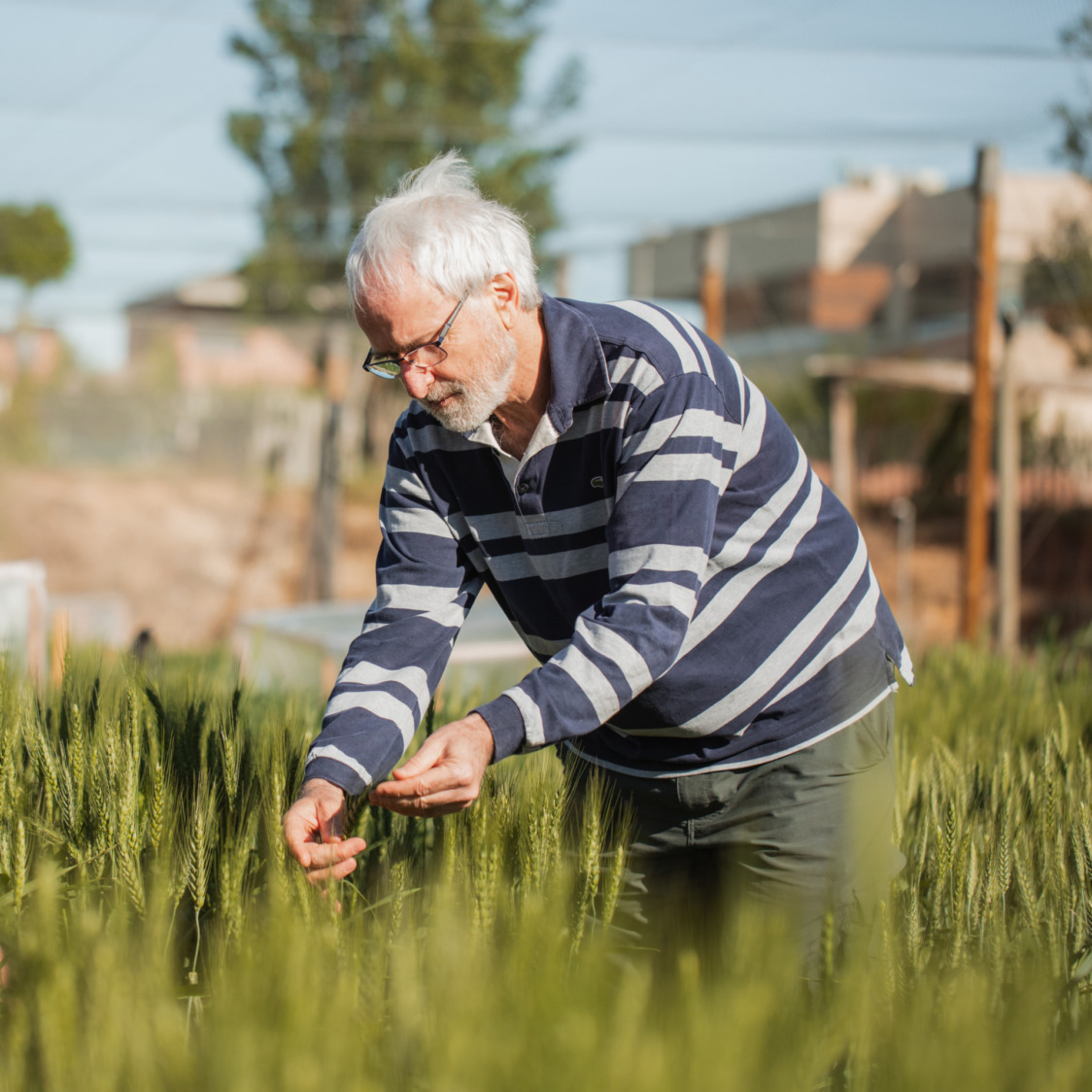
Gustavo Slafer Lago
- Research area
- Crop Physiology
- Position
- ICREA. Professor
Improvements in crop performance, both in terms of productivity and resource use efficiency, will remain one of the main objectives of agronomy and, naturally, a central objective of any genetic improvement or agronomic decision-making programme. The eminently empirical trial-and-error approach used both in cereal breeding (mainly selection for yield per se) and in crop management design (mainly determining yield responses to specific practices) has been successful in the past in increasing yields. However, it has failed to avoid the environmental risks often associated with productivity. There is a growing consensus that, in order to increase the likelihood of maintaining the rate of productivity growth achieved so far by cereal producers/agronomists, but with more respectful interaction with the natural environment and prevention of soil, air and water pollution, it is necessary to adopt an analytical approach to understand the fundamental physiology of crops and apply elements of this discipline to both crop cultivation and proposed management. In addition, improving our understanding of the physiological basis of crop yield under field conditions would also help (i) breeding programmes to facilitate the use of molecular biology to improve the yield potential of cereal crops and reduce the size and costs of modern breeding programmes; and (ii) agronomy programmes, increasing resource use efficiency and developing techniques that require lower levels of resources used more efficiently and are therefore more environmentally friendly, while improving yield. This type of improvement (in which cereal crop physiology can assist genetic improvement and agronomy, collectively and interactively) is expected to lead to simultaneous improvements in both productivity and sustainability.