Plant Phenomics
Objectives
The Plant Phenomics group works to understand how cereal and other herbaceous crops respond to a wide range of environmental and agronomic growing conditions (water availability, temperature, nutrients, salinity).
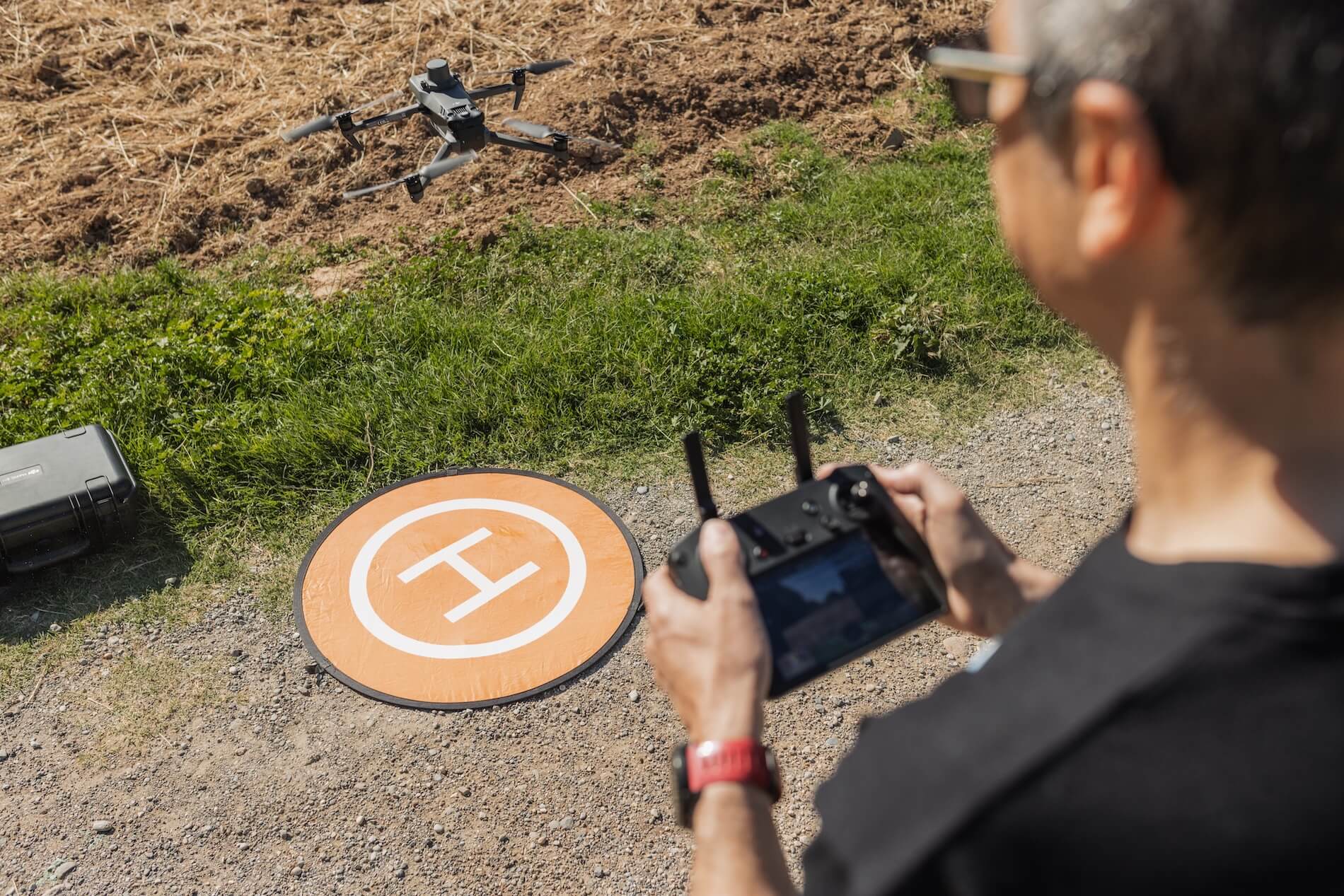
Our aim is to contribute to crop improvement by providing selection criteria for plant breeding programmes. To this end, we work with various remote sensing tools (multi- and hyperspectral, thermal, and RGB sensors) at different levels (ground-based, unmanned aerial platforms, and satellites).
This phenotyping is complemented by various analytical measurements, among which the use of signatures from different stable isotopes (C, N, O, H), as well as quality analyses, stands out. These analytical techniques have also formed part of our pioneering research into the palaeoconstruction of the environmental conditions of ancient agriculture, as well as research into phytoremediation. Furthermore, we have extensive experience in studies of photosynthesis in non-laminar organs, such as spikes, and their contribution to yield. Finally, the addition of new team members has broadened our research scope towards phytopathology and the biological control of pests and diseases.
Research lines
- Physiology of crop productivity: photosynthesis, adaptation to stress conditions.
- Crop phenotyping using remote sensing at different levels (from ground-based to satellite) and laboratory analyses.
- Palaeoconstruction.
- Phytoremediation.
Main activities
- We investigate the mechanisms of plant adaptation, their genotypic variability and how these mechanisms operate in different organs.
- Development of yield-prediction algorithms and their agronomic components, and quality, based on remote sensing and AI data. This has led to the development of high-throughput phenotyping (HTPP) protocols that identify the functional traits of plants related to crop yield improvement and resistance to abiotic and biotic stresses. For example, algorithms have been developed (i) for the automatic counting of seedlings and spikes and for cereal yield under field conditions, based on RGB digital images, (ii) for predicting the yield and quality of hard wheat based on multispectral images taken from aerial platforms, (iii) spatial variability of cereal yield from satellite imagery, (iv) pre-symptomatic prediction of fungal diseases in horticultural plants, of yield and quality in alfalfa, of metabolites in different organs of wheat or of photosynthetic characteristics in cotton, based on high-resolution spectroradiometry, or (v) development of a smartphone app for the automatic identification of diseases and other stresses in horticultural plants using AI.
- Pioneering reconstructive research on agricultural conditions in the Neolithic, both in the Western Mediterranean and the Fertile Crescent, based on the analysis of archaeobotanical remains (crop caryopses and woods).
International impact
Nearly 100 articles in international journals from 2020 to 2025. Numerous national and international research projects and contracts led or participated in by our group.