- A study in which researchers from the CTFC-Agrotecnio unit have taken part concludes that fungal communities are more similar in plantation areas, even if they are in different climates, than between crops and wild areas in the same climatic region.
- The research also points out that agricultural soil management practices in inoculated truffle plantations favour the abundance of other tuber species.
Habitat (agricultural or wild) affects the structure of fungal communities associated with truffles more than climatic regions or host trees. This has been determined by research led by the Centre for Forest Science and Technology of Catalonia (CTFC), the University of Lleida (UdL) and the Swiss Federal Research Institute (WSL), published in the scientific journal Fungal Biology. Research staff from the joint CTFC-Agrotecnio unit, the Swedish University of Agricultural Sciences, the University of Cambridge (UK), the Czech Global Change Research Institute (GCRI), the European Mycological Institute (EMI) and the Centro de Investigación y Tecnología Agroalimentaria de Aragón (CITA) have also taken part in the study.
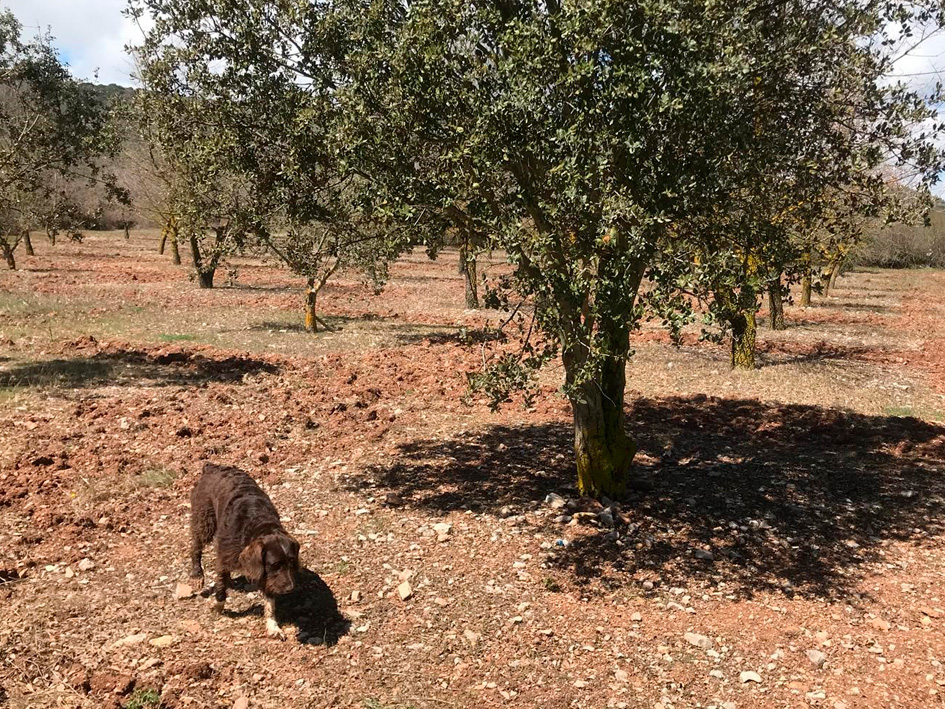
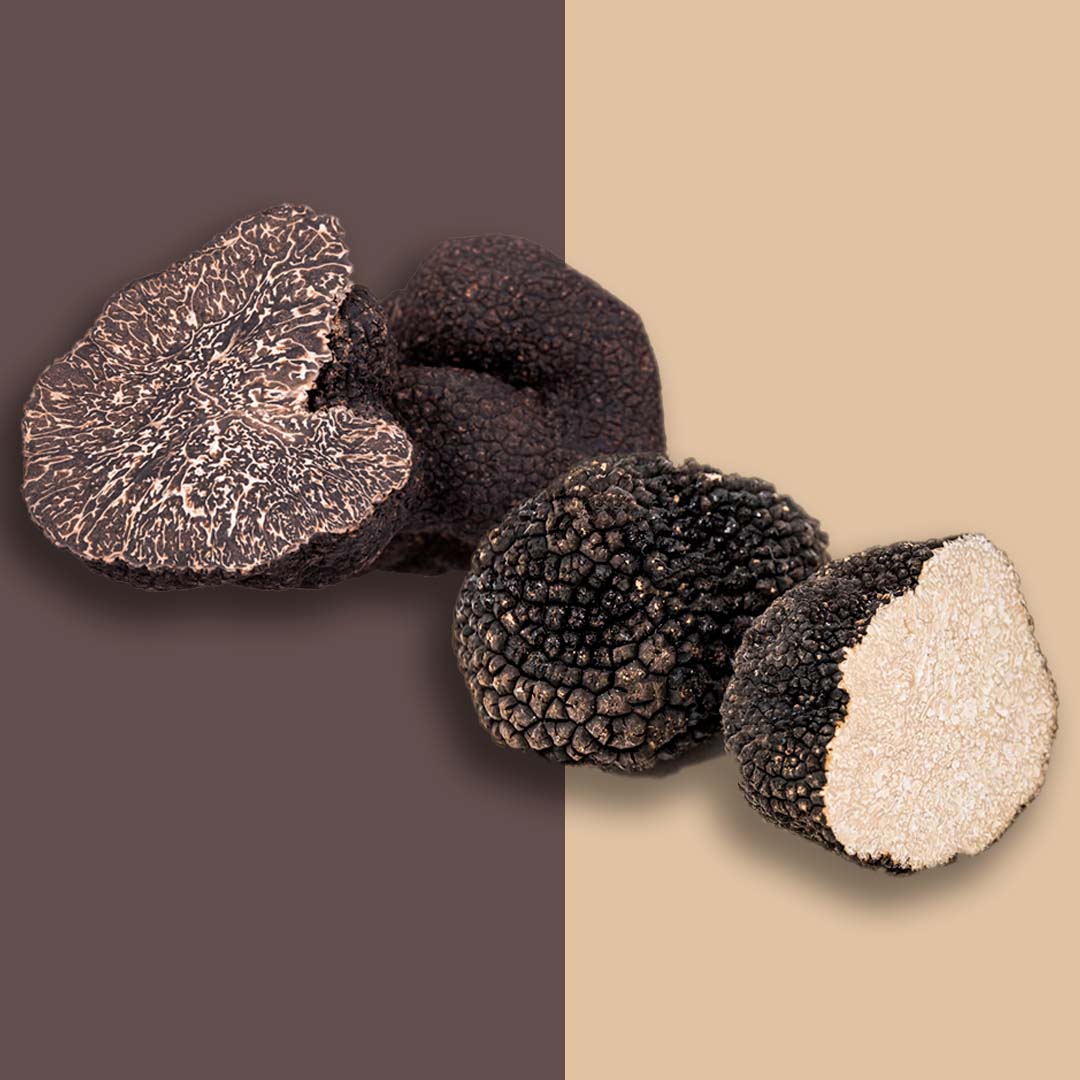
The team studied the fungal communities present in areas where black truffle (Tuber melanosporum) and summer truffle (Tuber aestivum) coexist in locations in Spain and Switzerland, during three sampling periods, depending on their habitat (wild or plantation) and climatic region (Mediterranean or temperate). The results indicate that fungal communities are more similar in plantation areas, although they are from different climates, than between cultivated and wild areas in the same climatic region.
‘A Mediterranean plantation dominated by holm oaks and one outside the temperate zone and with hazel as the main species are more similar to each other than a cultivated and a wild Mediterranean area, with the same host trees and the same climate,’ explains the first author of the article and researcher at CTFC and the UdL, Yasmin Piñuela. ‘This reflects the potential dominance of ecosystem age, soil properties and management practices compared to other ecological factors,’ she adds.
The study also points out that agricultural soil management practices in inoculated truffle plantations (T. melanosporum and T. aestivum) favour the abundance of other tuber species ‘possibly due to their colonising character’.
Text: Communication CTFC / Premsa UdL
More information:
https://www.sciencedirect.com/science/article/abs/pii/S1878614624000217?CMX_ID=&SIS_ID=&dgcid=STMJ_219742_AUTH_SERV_PA&utm_acid=192759140&utm_campaign=STMJ_219742_AUTH_SERV_PA&utm_in=DM452632&utm_medium=email&utm_source=AC_