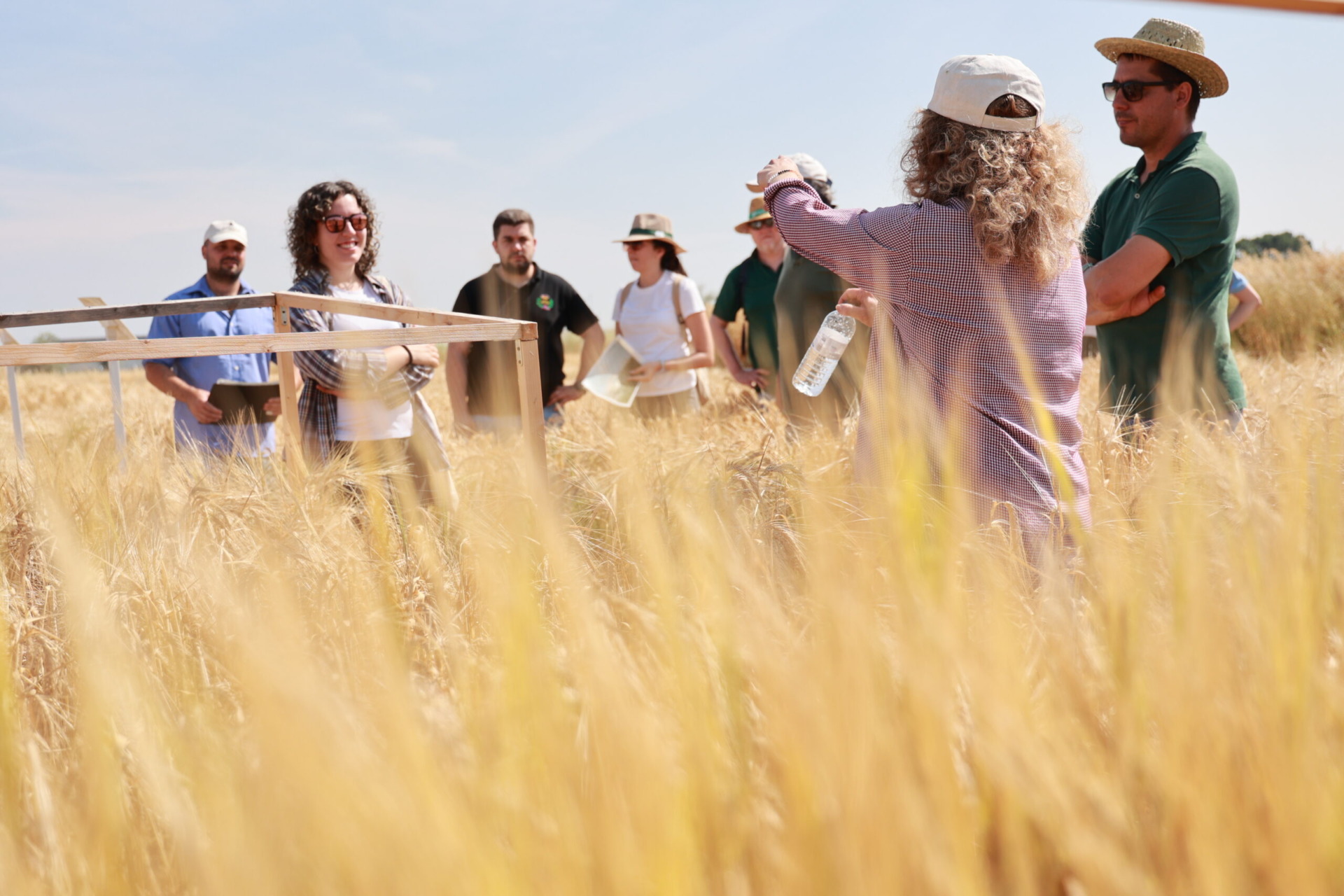
Agrotecnio, together with Semillas Batlle, Cupasa and Damm’s La Moravia malting plant, organised the ‘Barley Resilience Improvement Day’ in Bell-lloc d’Urgell (Lleida). The event took place within the framework of the ResOrMa cooperative project (Resiliència de l’Ordi i de la Malta), a research and dissemination initiative created with the aim of contributing to the adaptation and mitigation of the effects of climate change on barley cultivation through innovative solutions applicable to the field to ensure the sustainability of the crop in the coming years. 40 professionals and researchers from the cereal sector have participated.
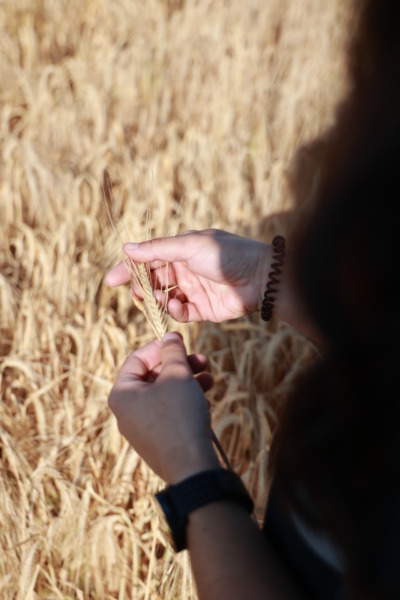
During the meeting, aimed at professionals from the agricultural sector, an informative session was held, combining presentations with visits to the experimental plots. Throughout the day, the most relevant advances of the project were shared, with special attention to the field data, the working hypotheses and the first results on the adaptation and management of the crop. The day concluded with a visit to the experimental plots, where the different strategies applied and the first results in the field could be observed.
Predictive models and more resilient barley varieties
The ResOrMa project, which is backed by the Department of Agriculture, Livestock, Fisheries and Food of the Generalitat de Catalunya, seeks to improve the resilience of barley and malt to little-studied but increasingly frequent phenomena such as heat stress and pre-harvest sprouting caused by rainfall, which directly affects the quality of the grain.
Among the main advances expected is the development of predictive models on the impact of climate change on the yield and quality of barley and malt. In addition, RESORMA will provide useful tools to plan more resilient cropping strategies and, in this way, those working in the field will be able to know which varieties have lower yield and quality losses, just as malting plants will be able to prepare for extreme growing seasons.
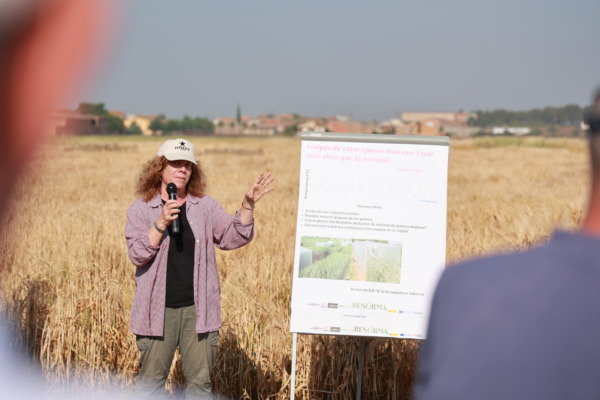
‘Our aim is to identify what opportunities we have to improve the resilience of barley without losing yield potential and how we should accommodate agricultural management,’ explained Gustavo Slafer, leader of the Crop Physiology research group at Agrotecnio and ICREA Agrotecnio-Universitat de Lleida researcher. Roxana Savin, Agrotecnio-UdL researcher in the same research group, shared details of the experiments being carried out, the hypotheses and the treatments being used.
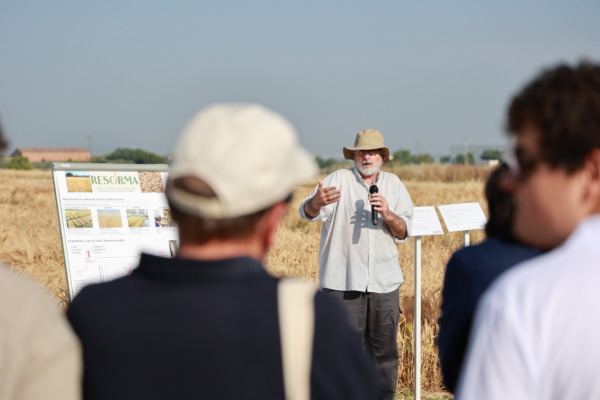
Representatives from Semillas Batlle, Cupasa and Maltería La Moravia-Damm also gave their point of view on barley adaptation, crop management and the effects of treatments on grain quality.
Project funded under the Strategic Plan of the CAP 2023–2027.