The activities offered participants a hands-on insight into different areas of the centre’s research
Practising a surgical suture, discovering how food can be printed in three dimensions, or learning about the insects that transmit leishmaniasis. These are some of the experiences enjoyed by participants in the three workshops organised as part of Science Week, held from 6 to 15 November.
The activities, co-organised with the School of Agri-Food and Forestry Engineering and Veterinary Medicine (ETSEAFiV) and the Institute of Educational Sciences of the University of Lleida (UdL), offered participants a hands-on insight into different areas of the centre’s research.
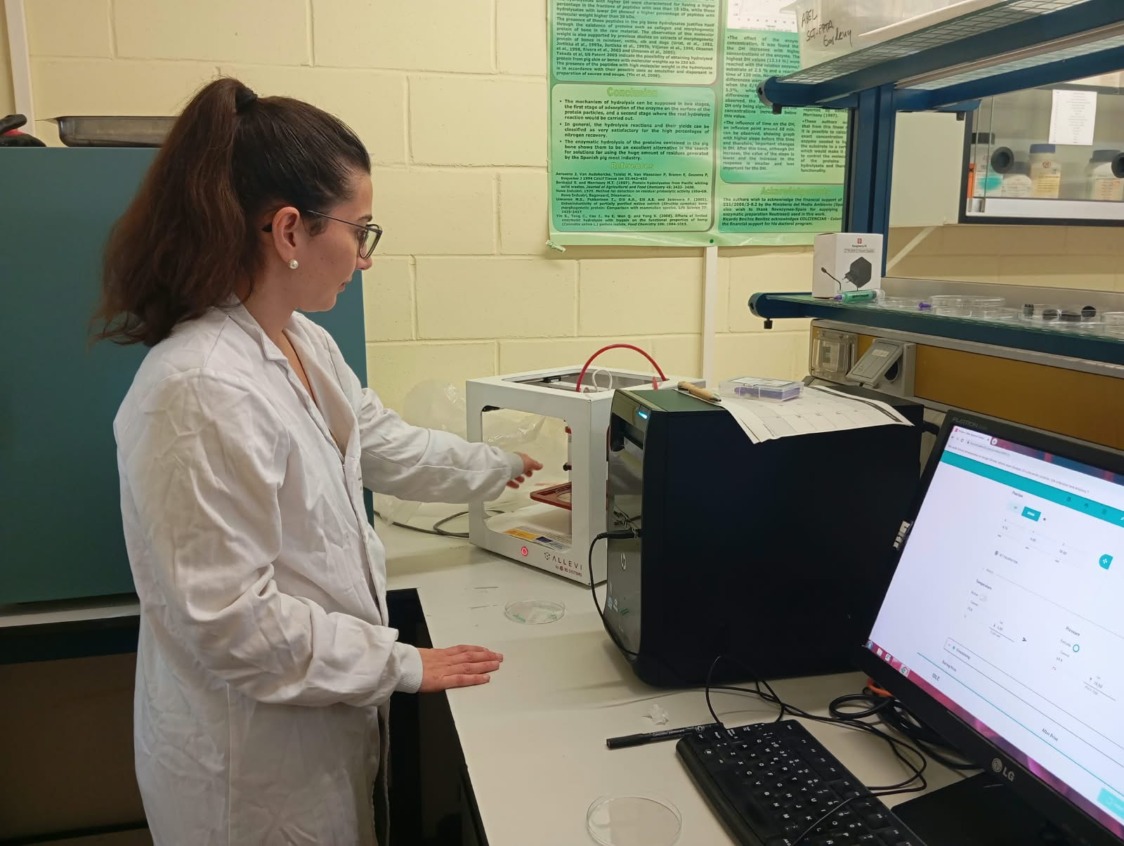
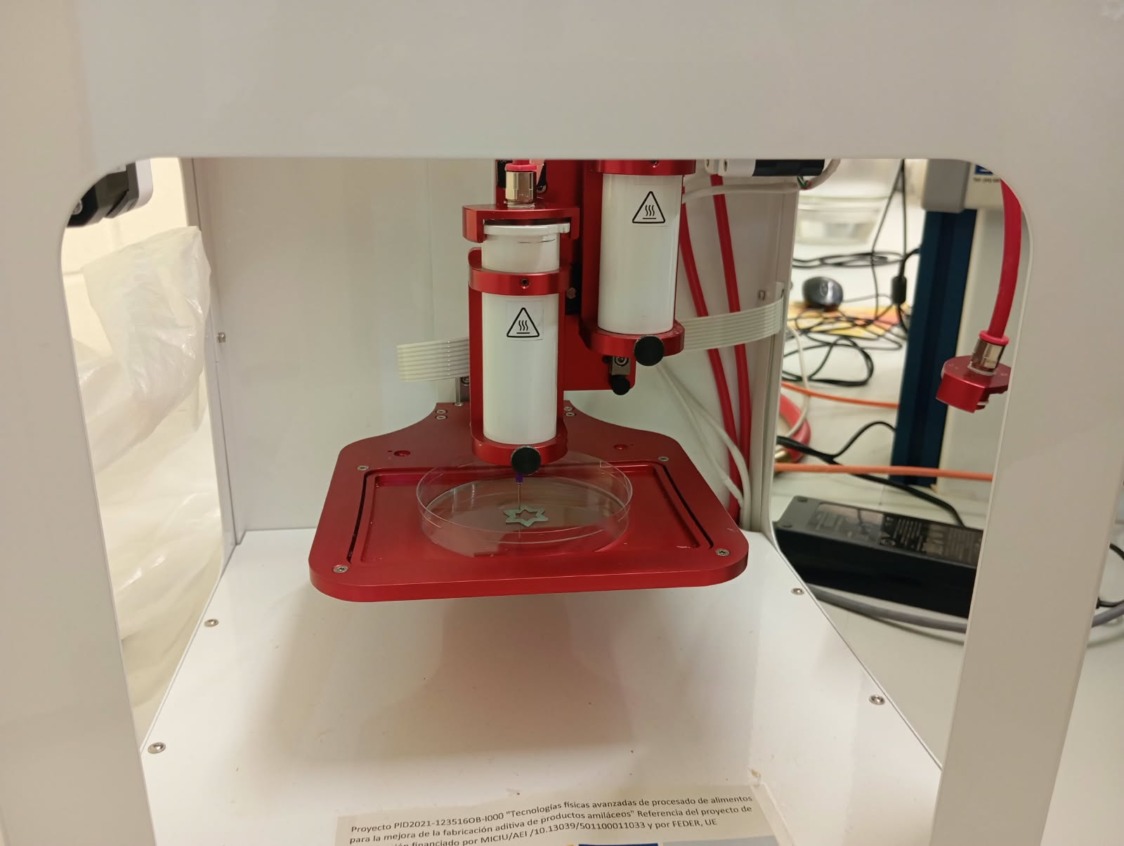
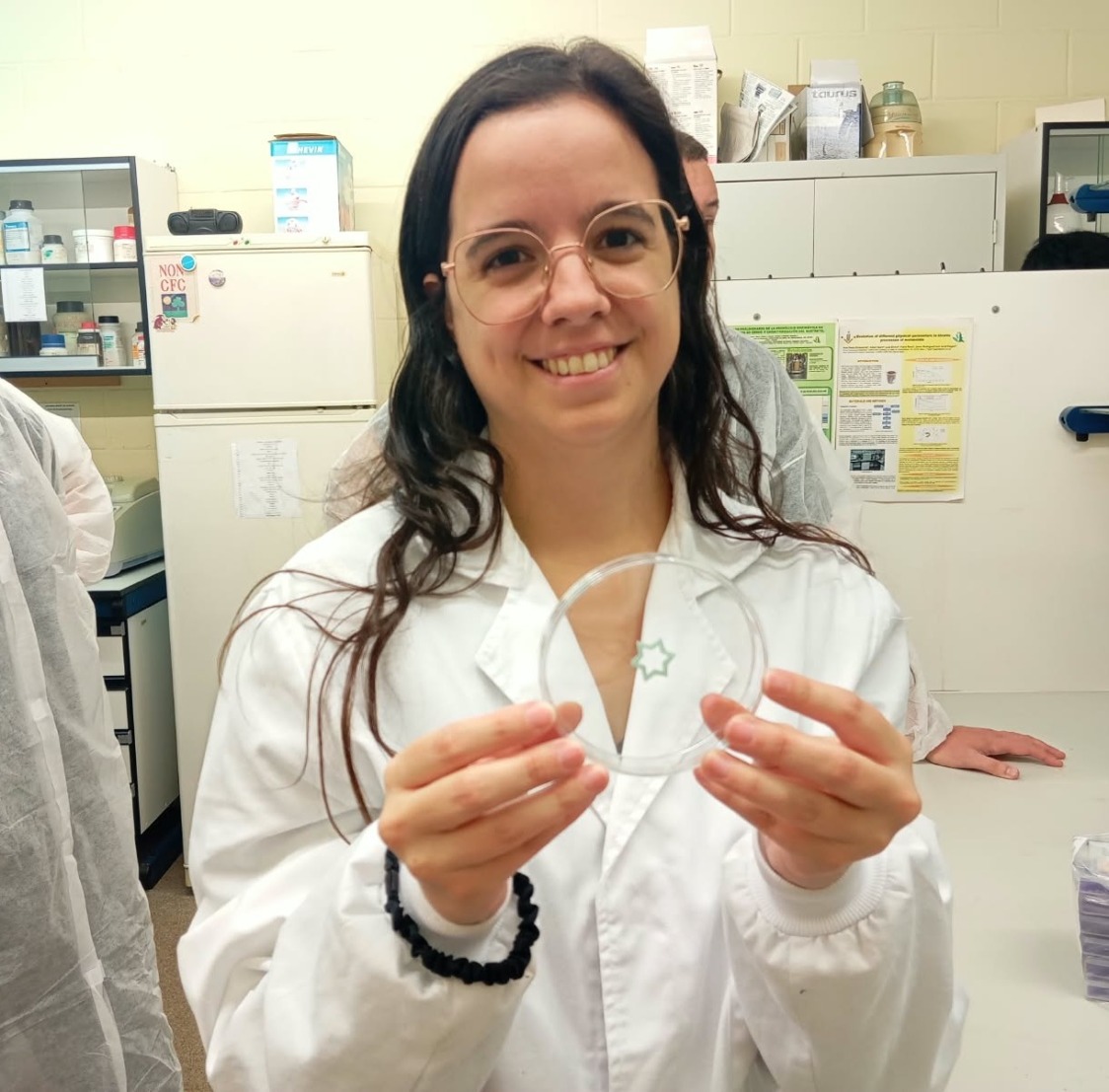
Around twenty upper secondary school students from Institut Màrius Torres in Lleida took part in the “3D Flavours” workshop, led by Julia Nutter and Alba Díaz, from the UdL and the New Food Processing Technologies research group. Participants were introduced to 3D food printing, a technology that makes it possible to create food from edible mixtures known as bio-inks, rather than conventional ink. This technology opens new possibilities for designing foods tailored to different nutritional and texture requirements. During the activity, participants discovered how everyday ingredients can be turned into bio-inks, such as starch, which provides shape and consistency, and powdered orange peel, which is a source of fibre and helps stabilise the mixture.
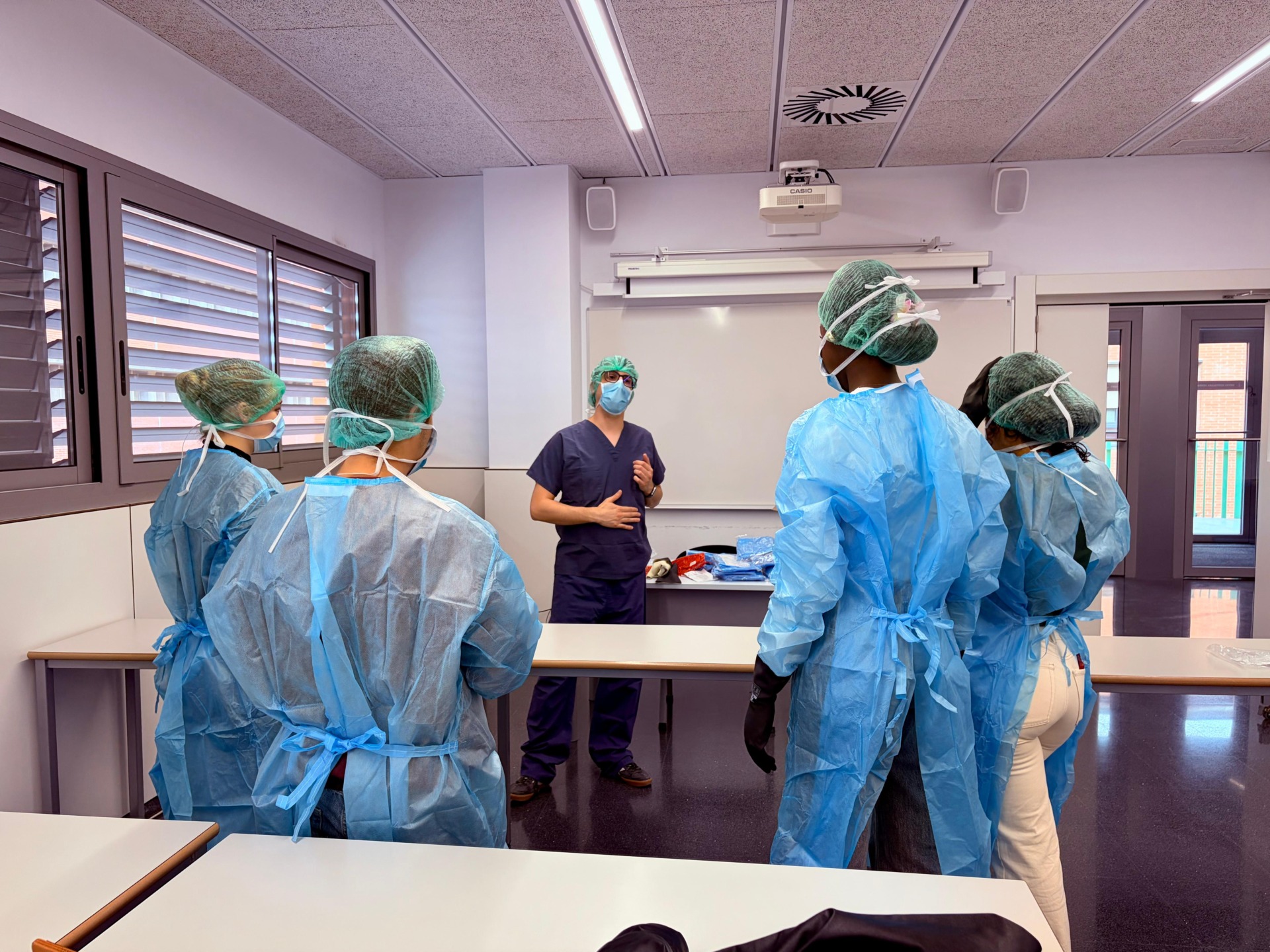
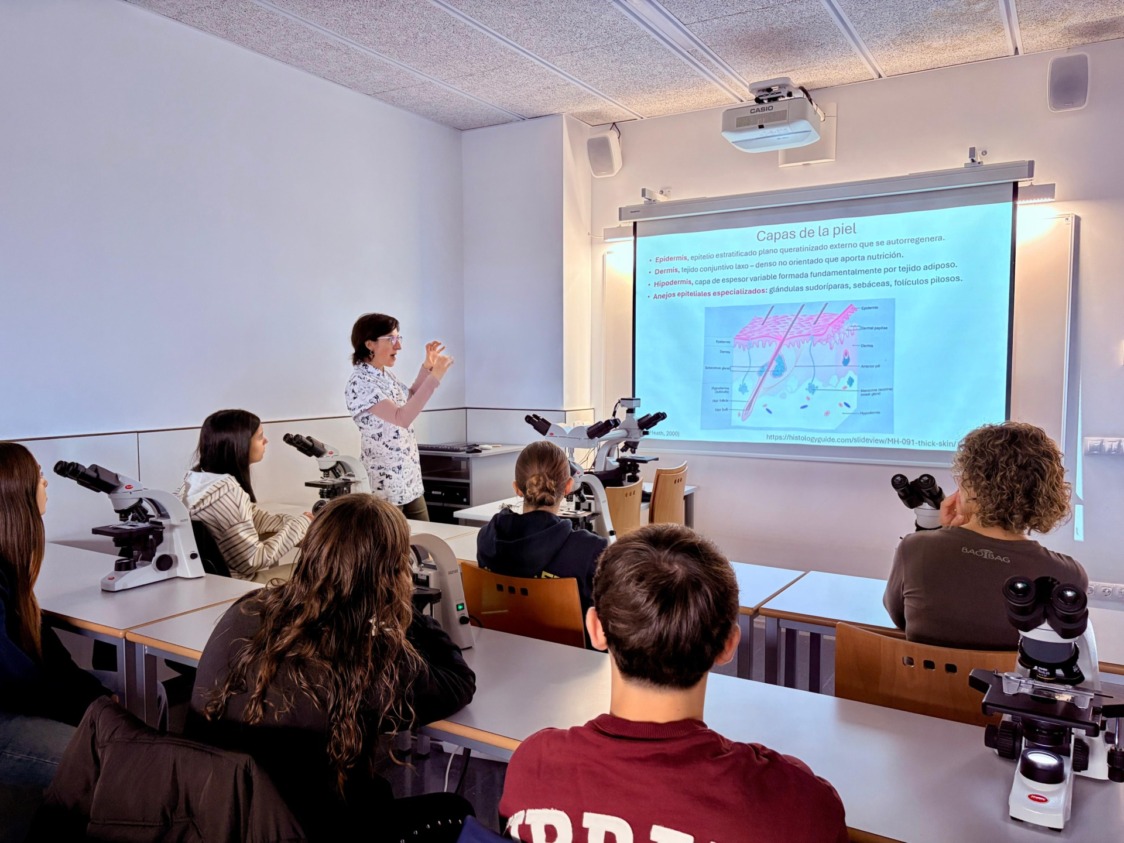
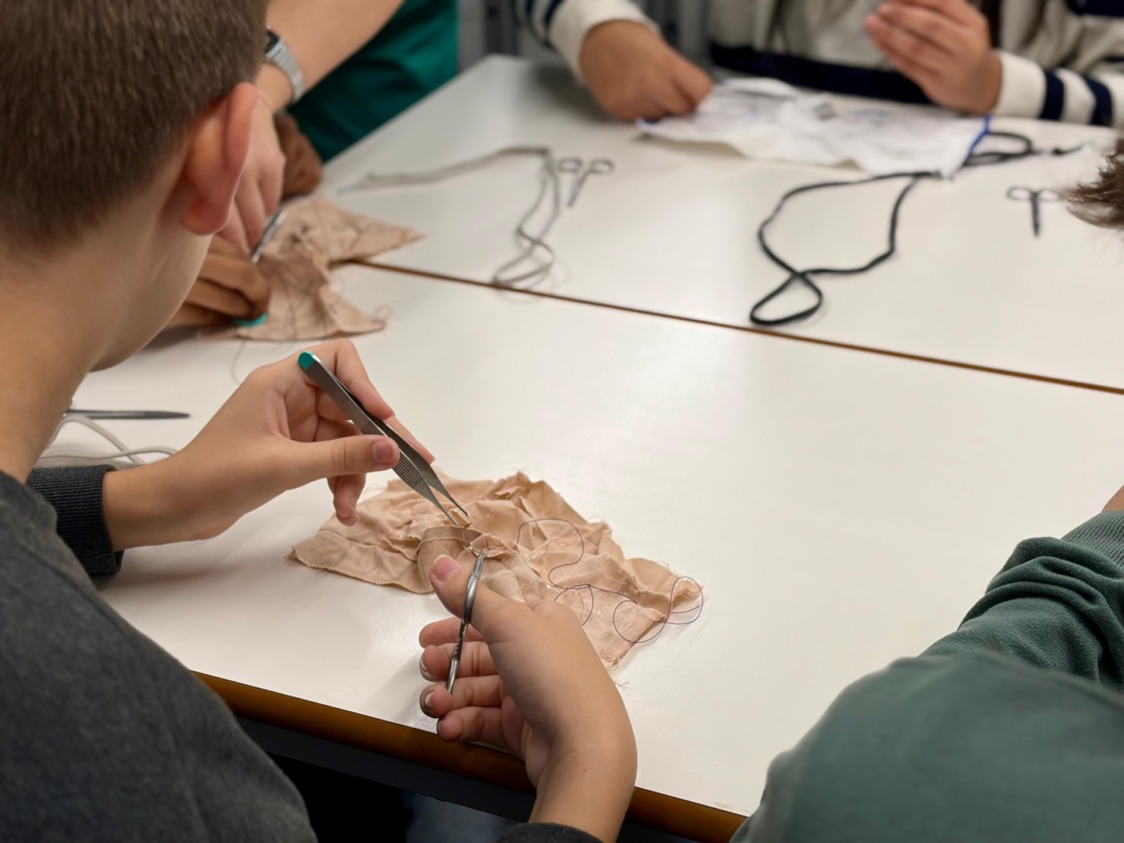
The “Surgeons for a Day” workshop, led by Olga Blanco from the UdL and the Animal Management and Reproduction research group -with the collaboration of Beatriz Serrano and Sergio Rodríguez-, introduced 15 students of first year of Baccalaureate from La Mitjana secondary school in Lleida to some of the techniques most used in veterinary surgery. Participants also had the opportunity to examine skin under a microscope, learn how to put on sterile surgical clothing and practise suturing skin wounds.
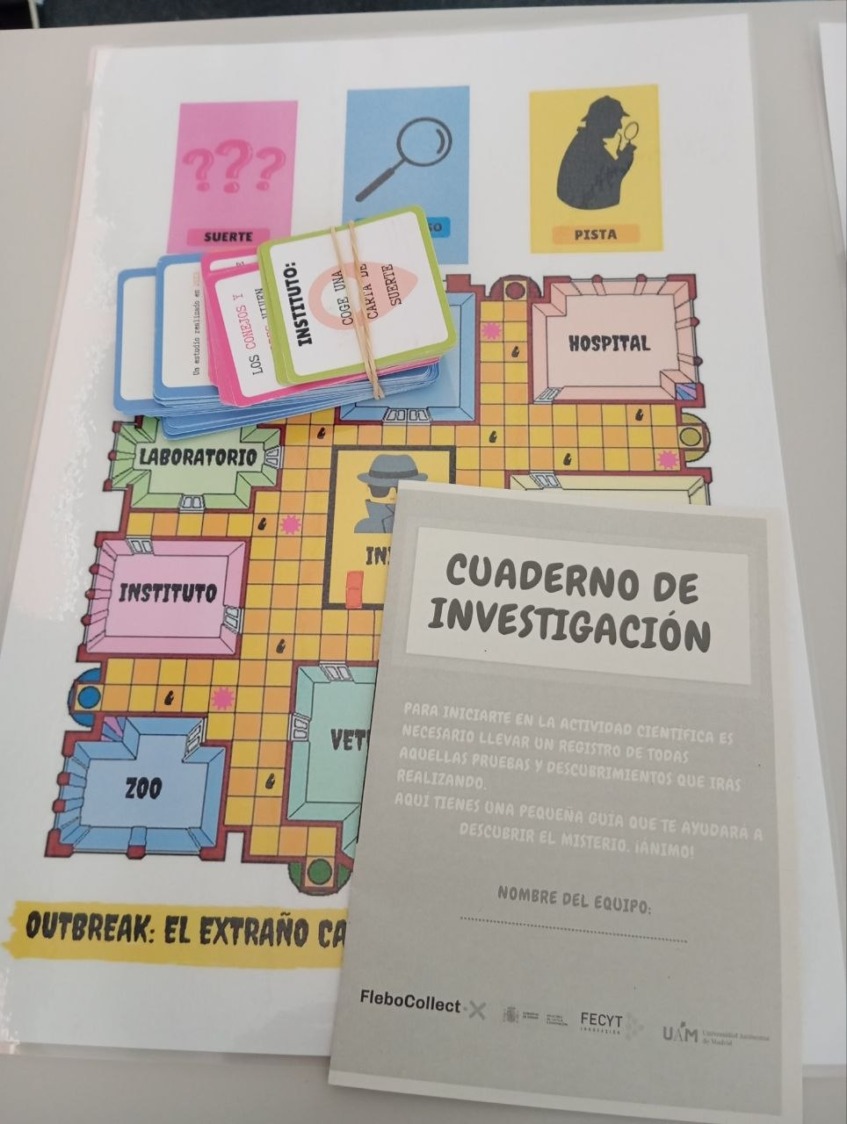
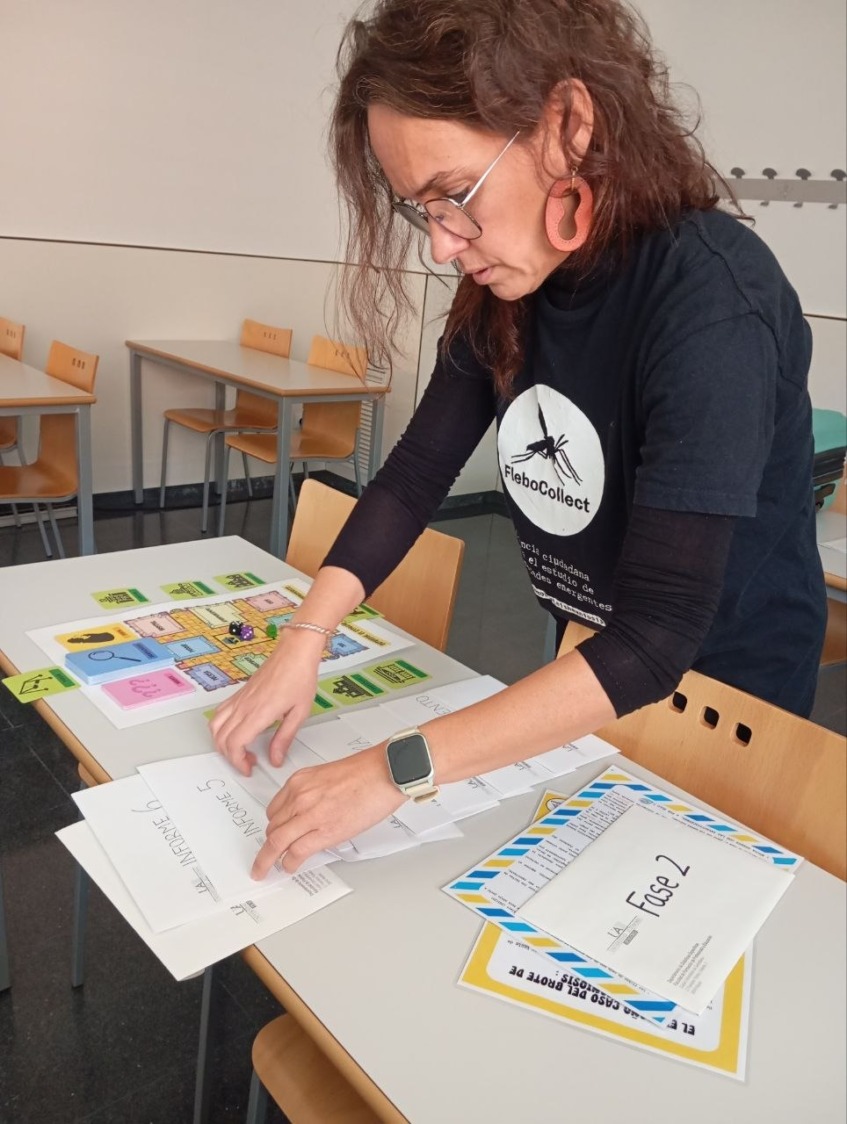
Finally, a workshop on the Flebocollect project, led by Diana Gassó from the UdL and the Animal Nutrition and Environment research group, explained at the L’Estonnac school in Lleida what sand flies are — small insects that can transmit leishmaniasis — and the role they play in spreading the disease. Through a range of hands-on activities, participants learned more about these insects and discovered how global change can influence their spread.