A new Breakfast for Inno presents the EPIHEALTH project, which investigates why some animals respond better than others to stressful situations, such as infections, heat or overcrowding during transport.
The company Selección Batallé is participating in the project.
Agrotecnio and IRTA are studying, through the EPIHEALTH project, the relationship between epigenetics and the natural ability of some pigs to cope with stressful situations without negatively affecting their performance. The aim is to identify epigenetic markers that may be associated with animal resilience, that is, their ability to maintain their performance when faced with unforeseen situations that may affect them.
Resilience is an increasingly important factor in pig production, as some animals are naturally better able to maintain their performance under adverse conditions. Understanding what explains these differences could, in the future, help improve the accuracy with which resilience is incorporated into genetic selection programmes.
What does the project study?
Epigenetics studies the changes that regulate gene activity without altering the DNA sequence. Many genes are switched on and off in response to the environment and to the stressful situations an animal is exposed to. In this project, researchers are investigating whether pigs that respond more favourably to different stressful situations also show differences in these epigenetic markers.
The project analyses two populations of Duroc pigs provided by Selección Batallé, a company that is also participating in the initiative. The animals have been exposed to different stressful situations. In one of the populations, during the fattening stage, the available space is reduced and animals from different pens are mixed, simulating the circumstances that occur during transport. In the other population, the pigs receive a mild immune stimulus (a dose of a vaccine included in their vaccination programme) and are subsequently classified according to the response they show.
The researchers have analysed blood and liver tissue samples to study DNA methylation patterns, one of the epigenetic mechanisms that can modify gene activity.
Preliminary results
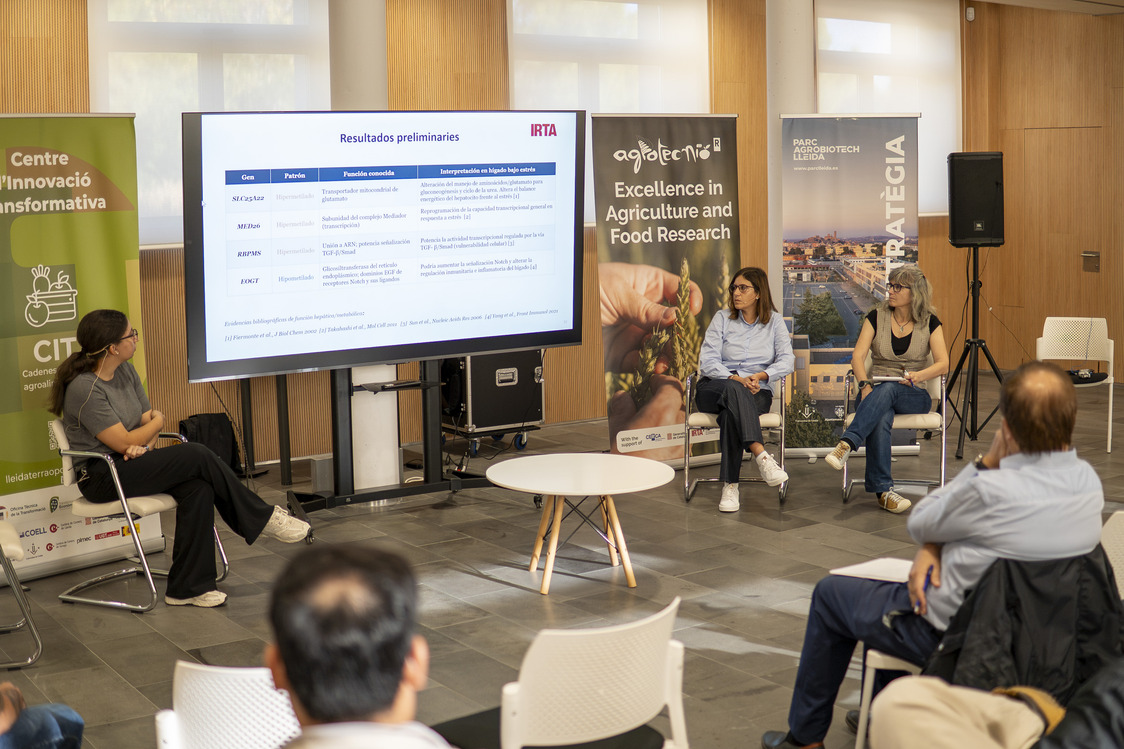
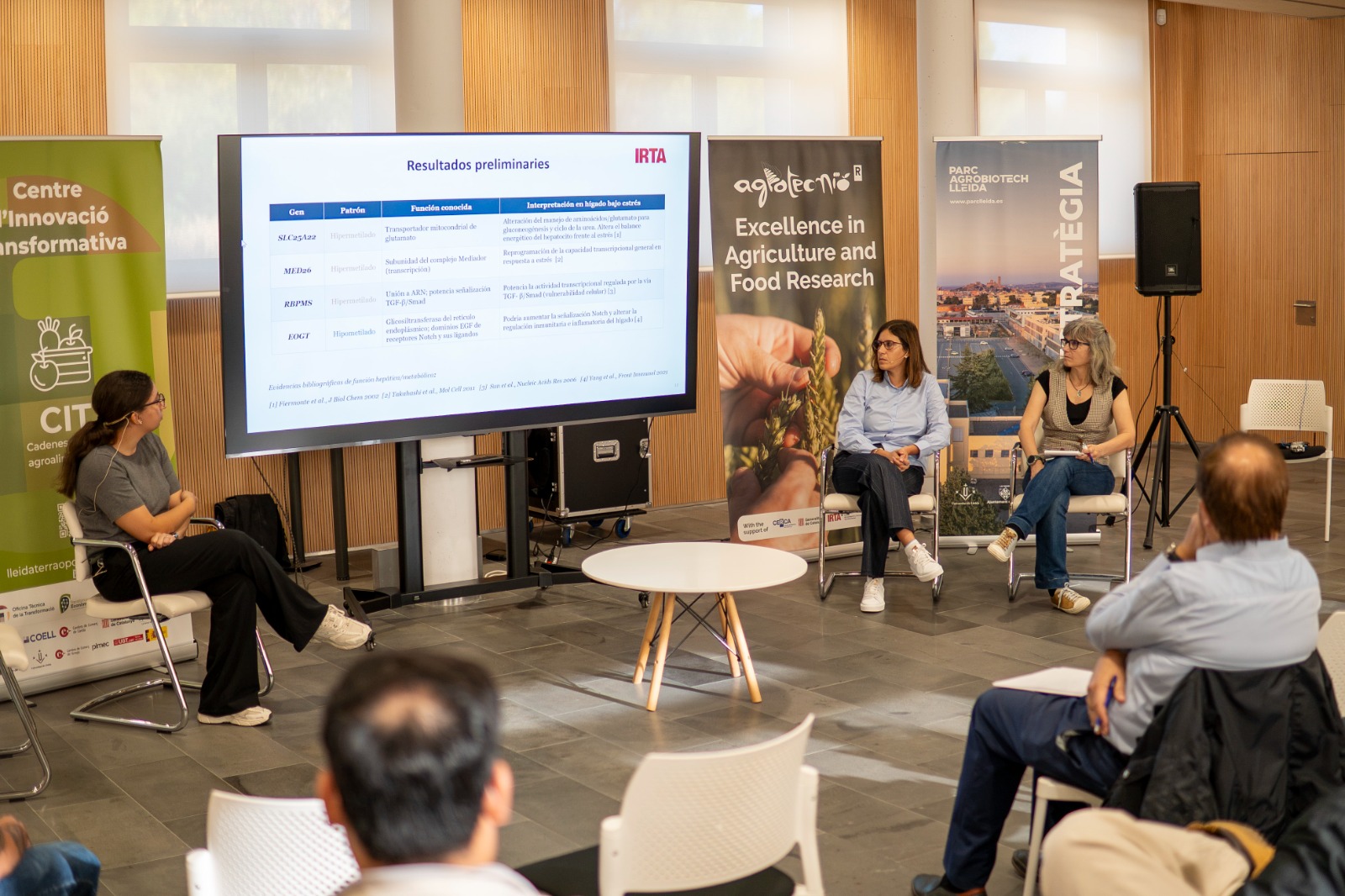
The first results show differences in the regulation of a very limited group of genes among animals with different levels of stress response. Some of the genes identified are involved in processes such as metabolism, the regulation of gene activity, and the immune and inflammatory response. This initial step will allow the researchers to focus on identifying genetic variants within this group of genes that may explain why the same stimulus (stress) triggers different responses in pigs with a more favourable response (resilient pigs) compared with pigs that are more susceptible to stress.
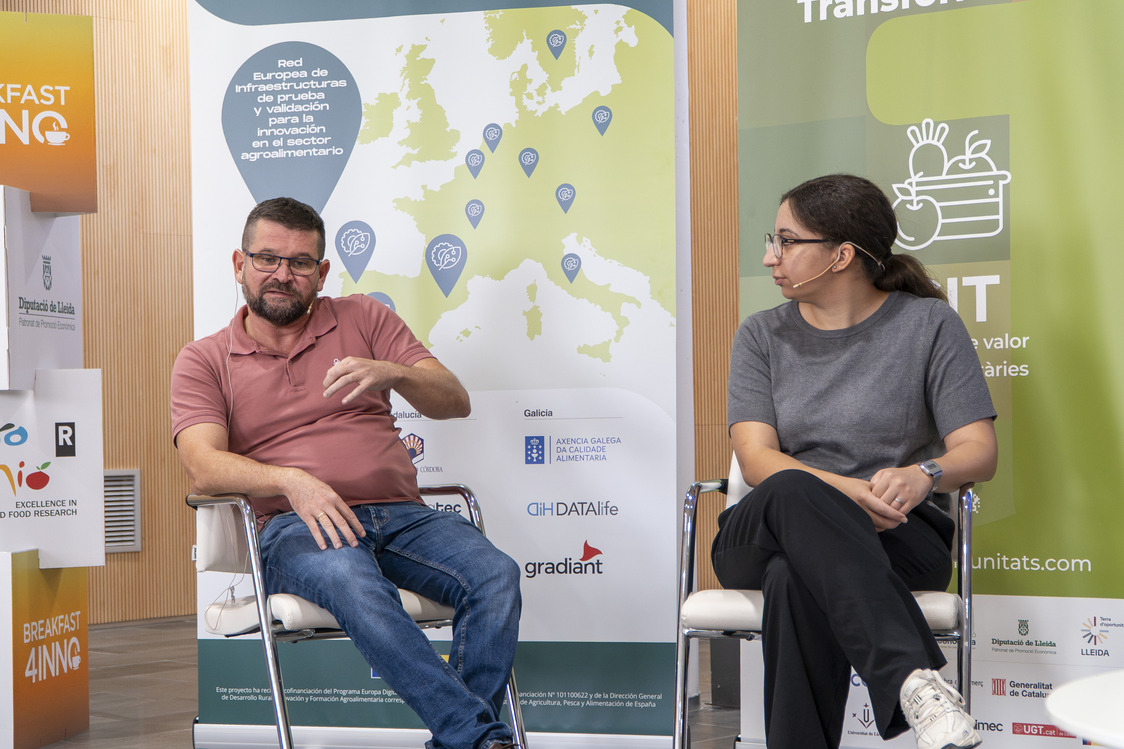
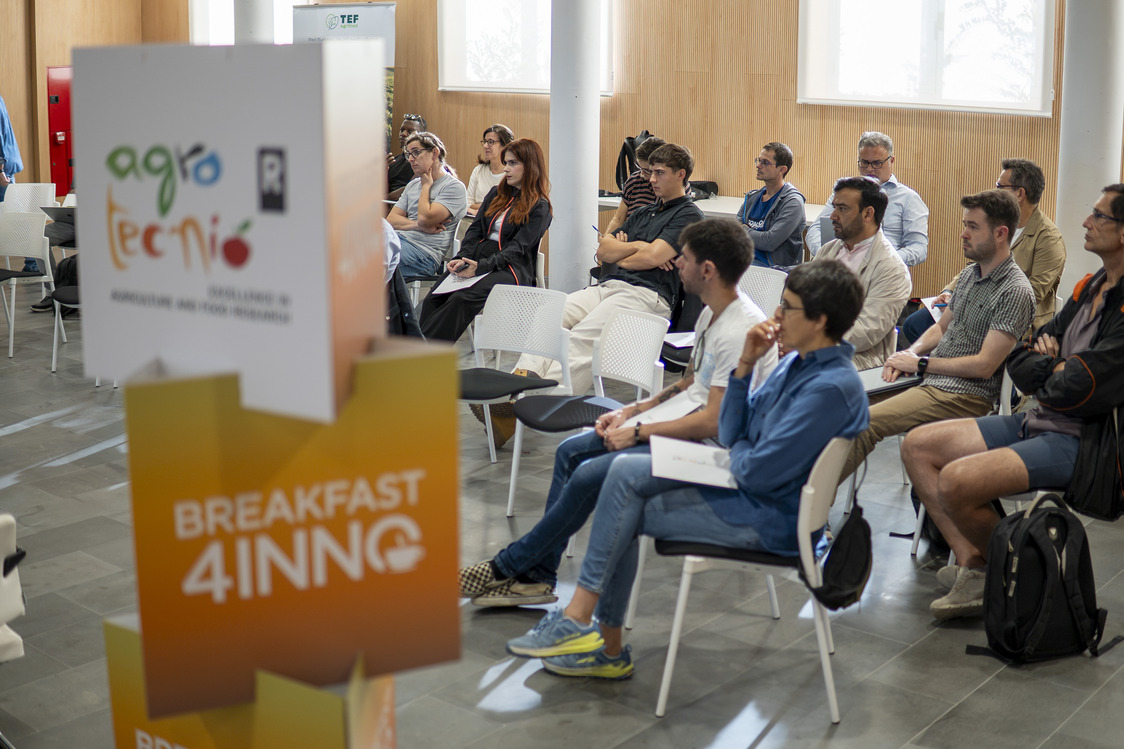
The project was presented this Thursday as part of a new edition of the Breakfast for Inno innovation series, organised by Agrotecnio, the University of Lleida (UdL), Parc Agrobiotech Lleida and Diputació de Lleida.
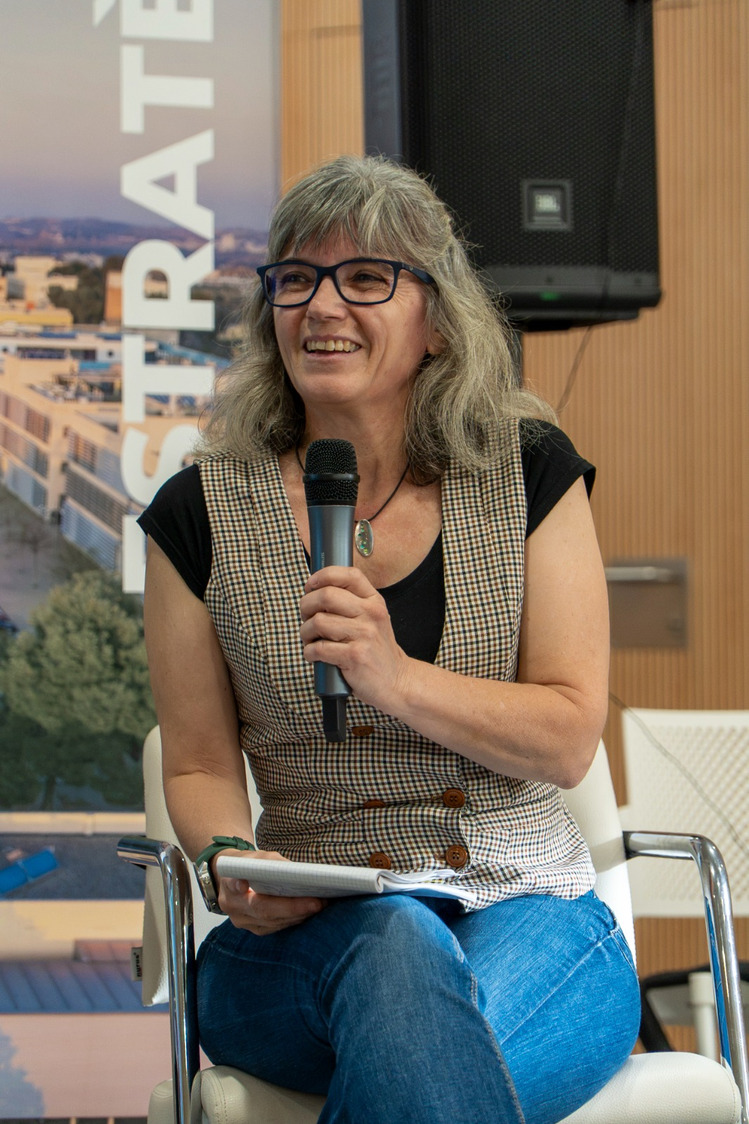
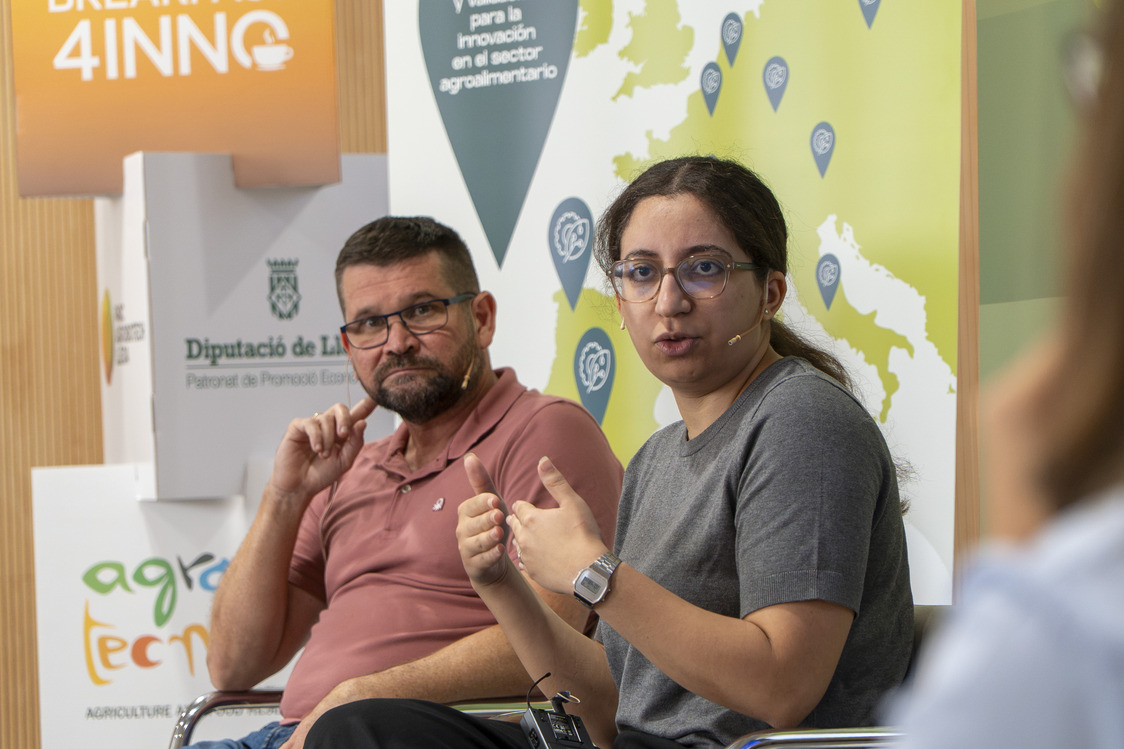
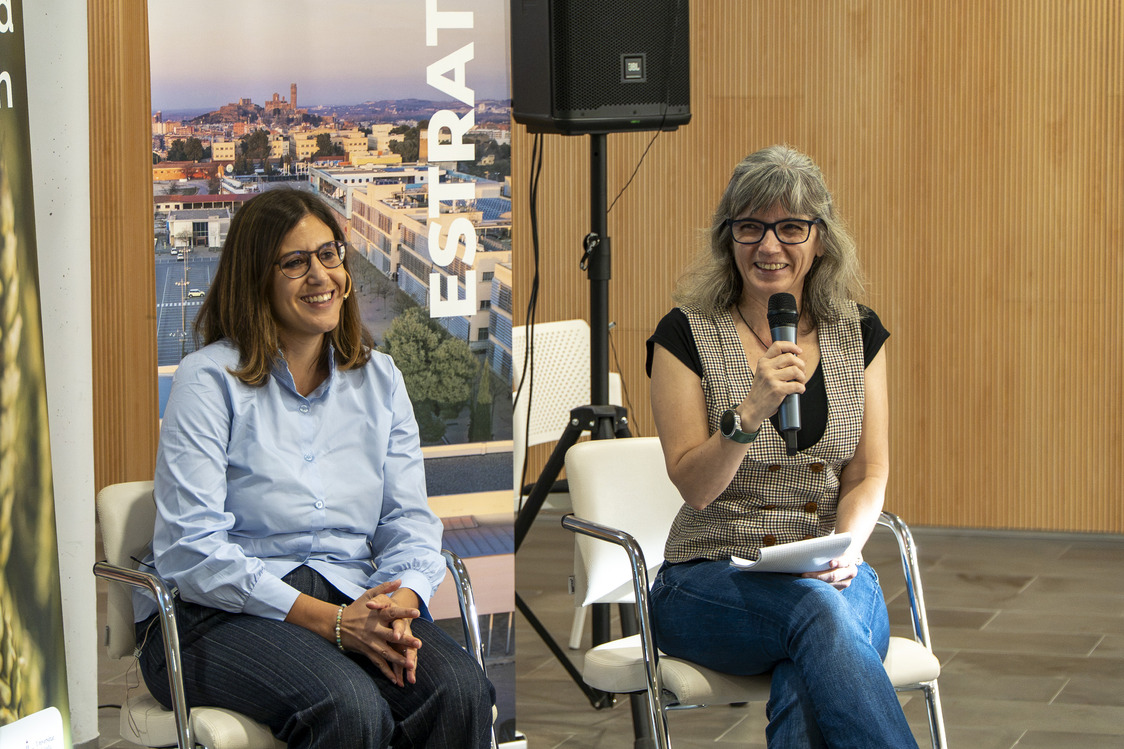
The breakfast event featured Houda Laghouaouta, a postdoctoral researcher in the Animal Breeding group at Agrotecnio–University of Lleida; Yuliaxis Ramayo, a researcher in computational biology and hologenomics at IRTA; and Sofia Gol, a researcher in genetics and R&D&I at Selección Batallé. The event was moderated by Romi Pena, Professor at the University of Lleida and principal investigator of the Animal Breeding group at Agrotecnio.
From epigenetic marks to potential resilience markers
In a second phase, the researchers will combine the results of the epigenetic study with information on gene activity from another project. The aim is to identify molecular signatures that can distinguish animals according to their exposure to stress and the response they show.
These potential markers will then be validated in an independent population of pigs from Selección Batallé during an episode of respiratory disease. This will make it possible to determine whether the differences identified are also associated with the animals’ response to a stressful situation under conditions that are closer to those found in commercial production.
If these results are confirmed, the markers could eventually help identify animals with a greater ability to cope with certain stressful situations. This knowledge could have applications both in genetic selection and in improving animal management and welfare.
The next session in the Breakfast for Inno series will take place on 12 November at Parc Agrobiotech Lleida and will focus on AgrifoodTef project.