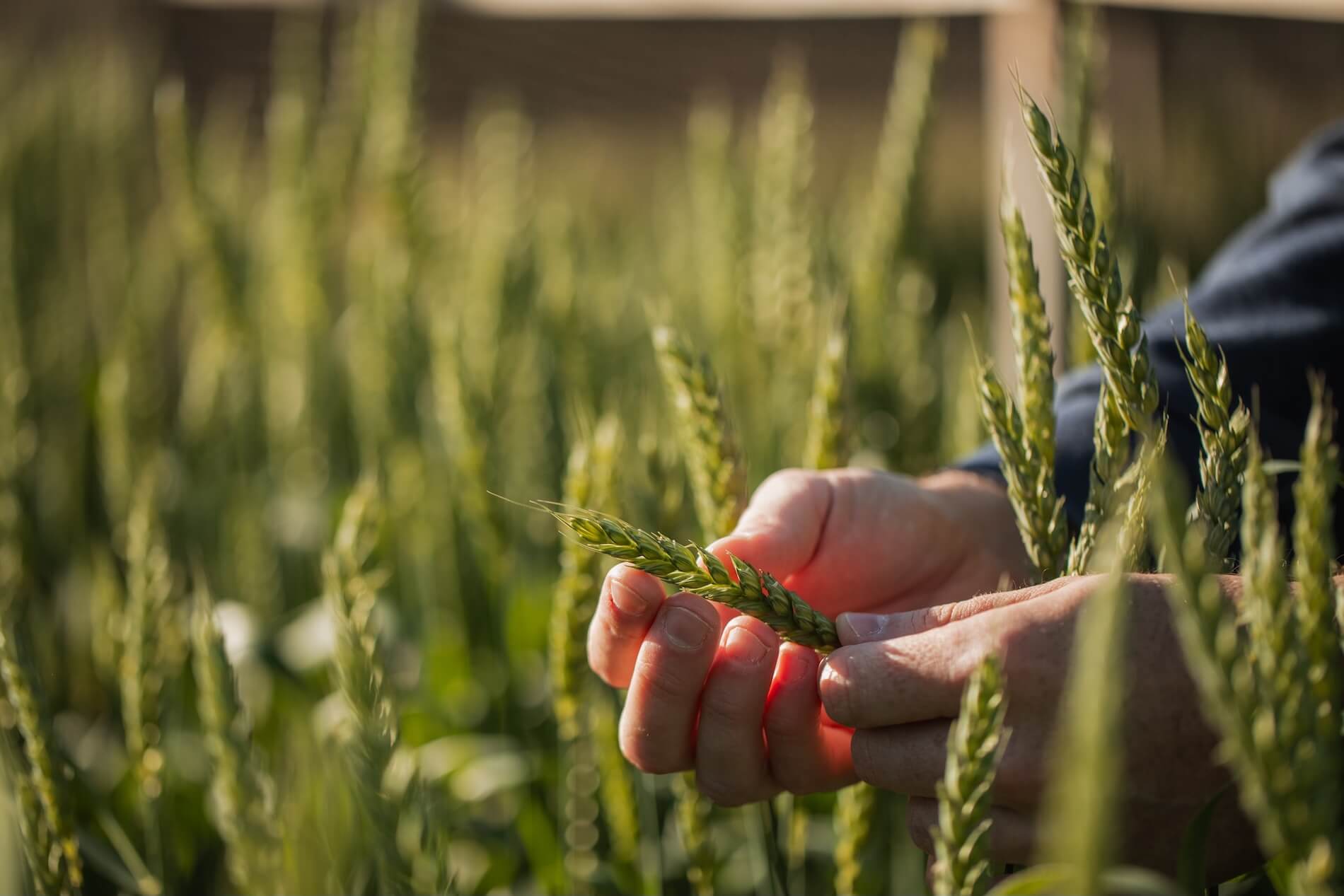
Crop Physiology
Objectives
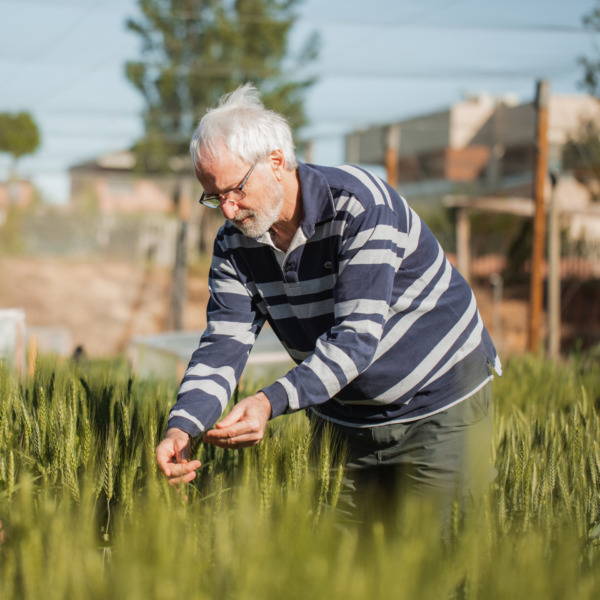
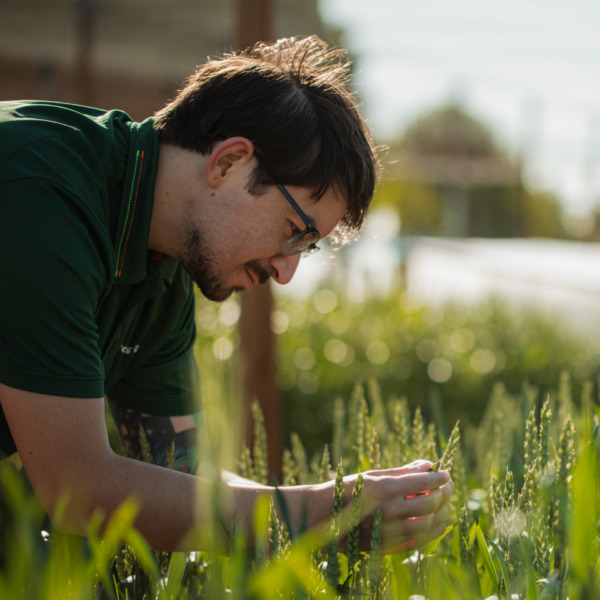
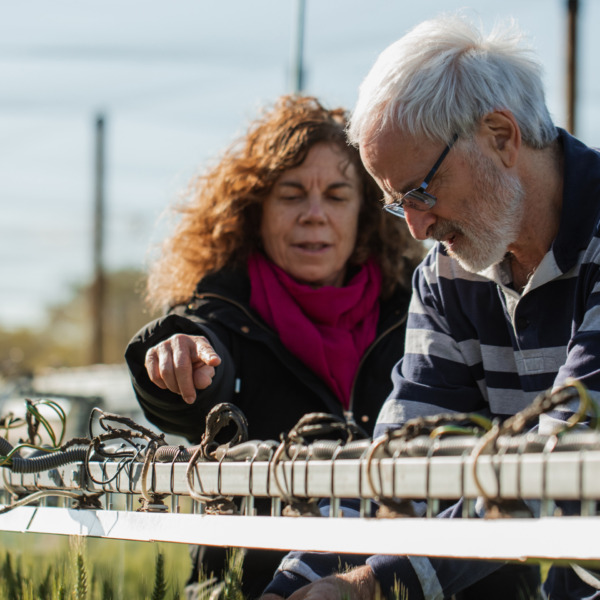
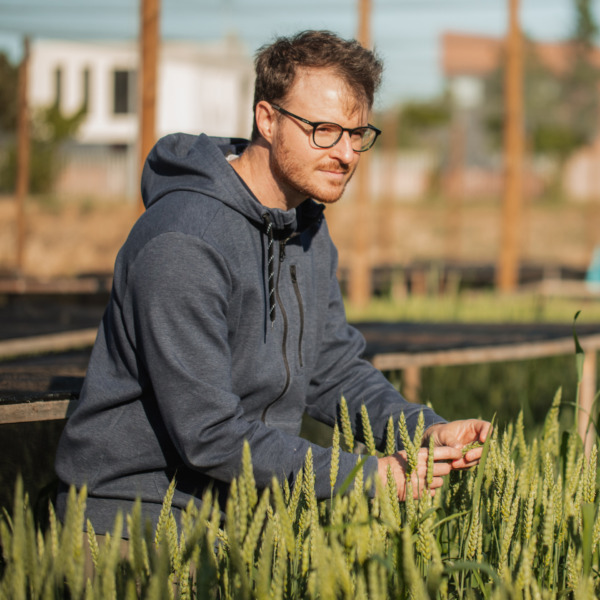
The main objective of Agrotecnio’s crop physiology group is to optimise the productivity, quality and sustainability of the main agricultural production systems in Mediterranean regions. To this end, we carry out genetic, agronomic and physiological studies in which we test various hypotheses on improving current crop production systems in the Ebro Valley. We conduct various studies to identify the main physiological attributes that determine the yield and quality of cereal crops, especially barley, wheat and maize. We also develop tools to obtain more productive and higher quality crops, and evaluate crop management strategies, such as fertilisation and sowing densities, in order to maximise productivity and reduce environmental impact.
Research lines
- Physiological and genetic bases that determine development, growth and yield.
- Abiotic stress or negative impact of non-living factors, such as extreme weather conditions, on grain yield and quality.
- Nitrogen management and its effects on yield and quality.
- Genetics and physiology of grain quality.
- Collaboration in the cultivation of barley with specific quality attributes.
Main activities
- Field experiments in different environments and with different water and nitrogen availability.
- Experiments under controlled conditions to evaluate traits and physiological responses.
- Analysis of genetic and physiological factors affecting crop growth, development, yield and quality.
- Measurement of the impacts of management practices on crops and the environment.
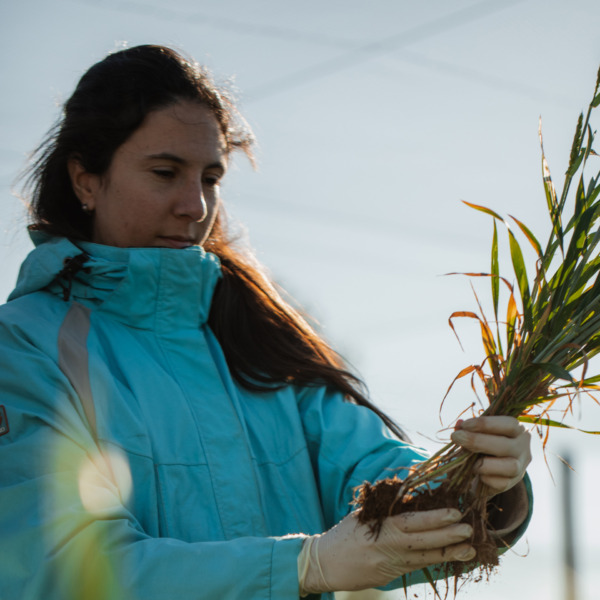
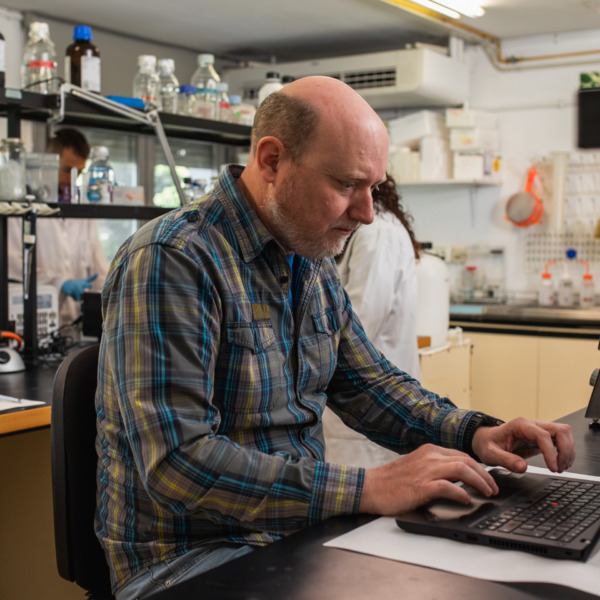
- Laboratory analysis of soils and plants.
International impact
Leadership in the development of phenological stages, physiological bases and floral development in wheat and barley. Publication of influential articles on abiotic stress affecting grain yield and cereal crop quality.
Group members