- Mexico is the country with the hights number of stray dogs in the world: around 70% live on the street
- One of the main lines of action of the project is the prevention of animal abuse
Isabel Blanco-Penedo and Agustí Noya, two researchers from the University of Lleida (UdL) and Agrotecnio, are leading a project funded by the UdL’s Cooperation and Solidarity Unit that seeks to improve animal welfare and reduce the health risks associated with the high population of stray dogs in the Cuetzalan region (State of Puebla, Mexico). The initiative has the support of the Mexican-Catalan NGO Teixpetaniloyant-Teixint, which has been working for years with students from rural areas of the State of Puebla to find solutions to the challenges facing their community.
Mexico is the country with the highest number of stray dogs in the world. According to data from the Mexican Association of Veterinary Specialists in Small Species (AMMVEPE), around 70% of the country’s dogs live on the streets. This problem also occurs in Spain, which tops the European figures for animal abandonment. A report published in 2025 estimates that in 2024, almost 300,000 abandoned dogs and cats were collected.
In this context, and with the aim of sharing experiences and solutions, Blanco-Penedo and Noya, in close collaboration with Teixint, have been developing a project since June 2025 that will run until June this year and seeks to carry out a diagnostic assessment of the situation of animal abandonment in Cuetzalan.
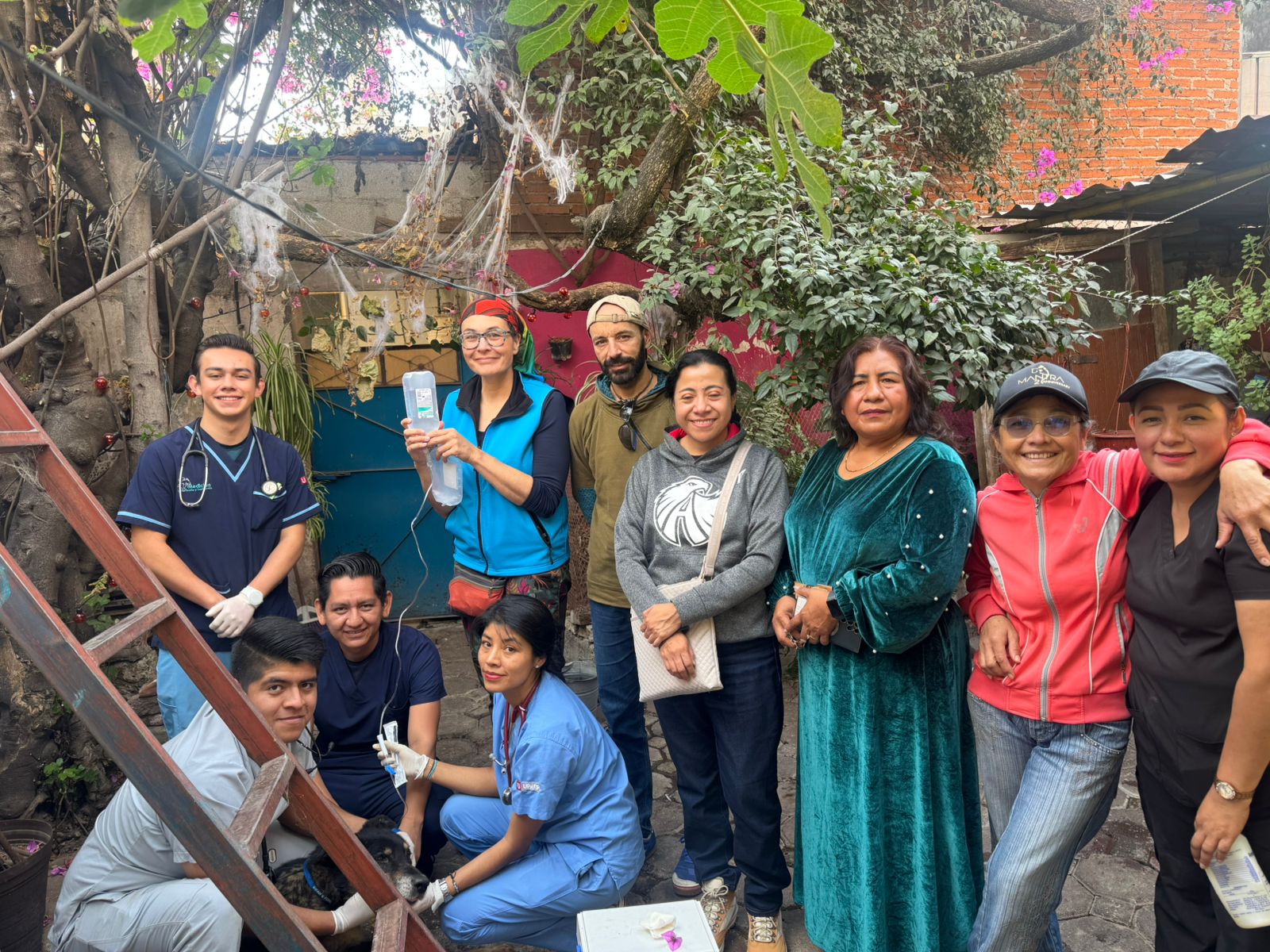
Recently, both researchers travelled to Mexico, where they met with volunteers and groups concerned about the issue, held a consultative workshop with local veterinarians, and visited an animal shelter. During their stay, they also met with veterinary professionals, health authorities and local representatives, as well as establishing contact with the Popular Autonomous University of the State of Puebla (UPAEP). In its peri-urban environment, various teachers and students have promoted neutering campaigns to reduce the dog population, as well as veterinary assistance to improve their health.
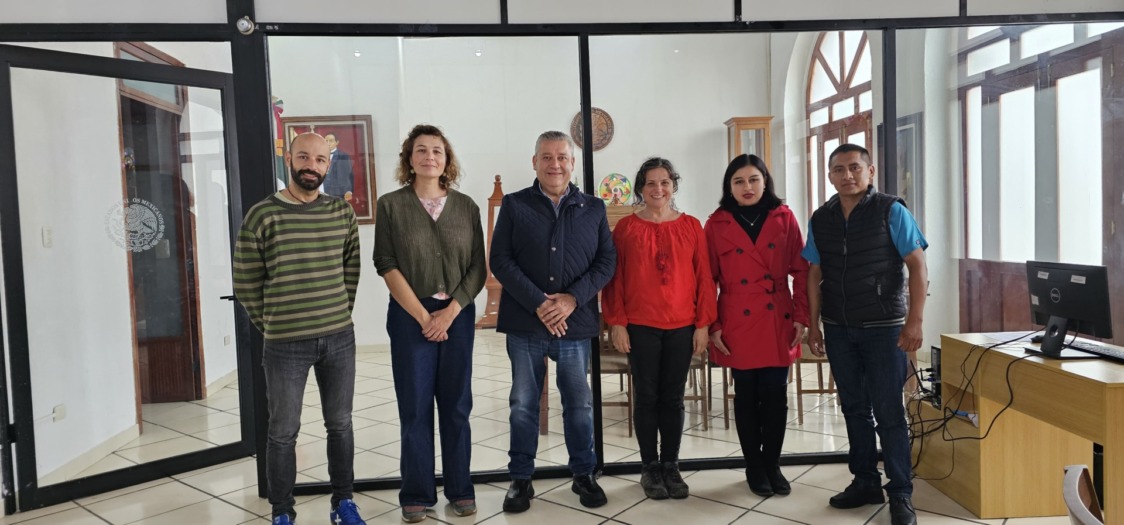
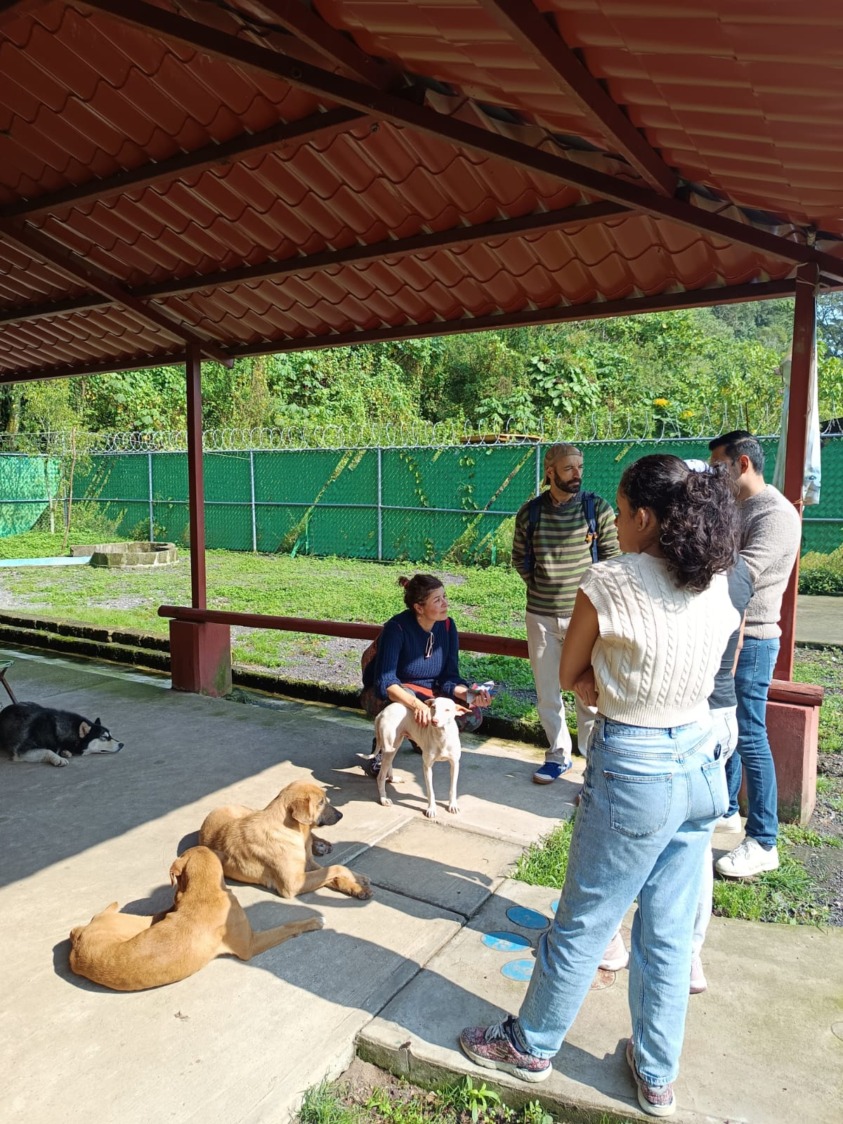
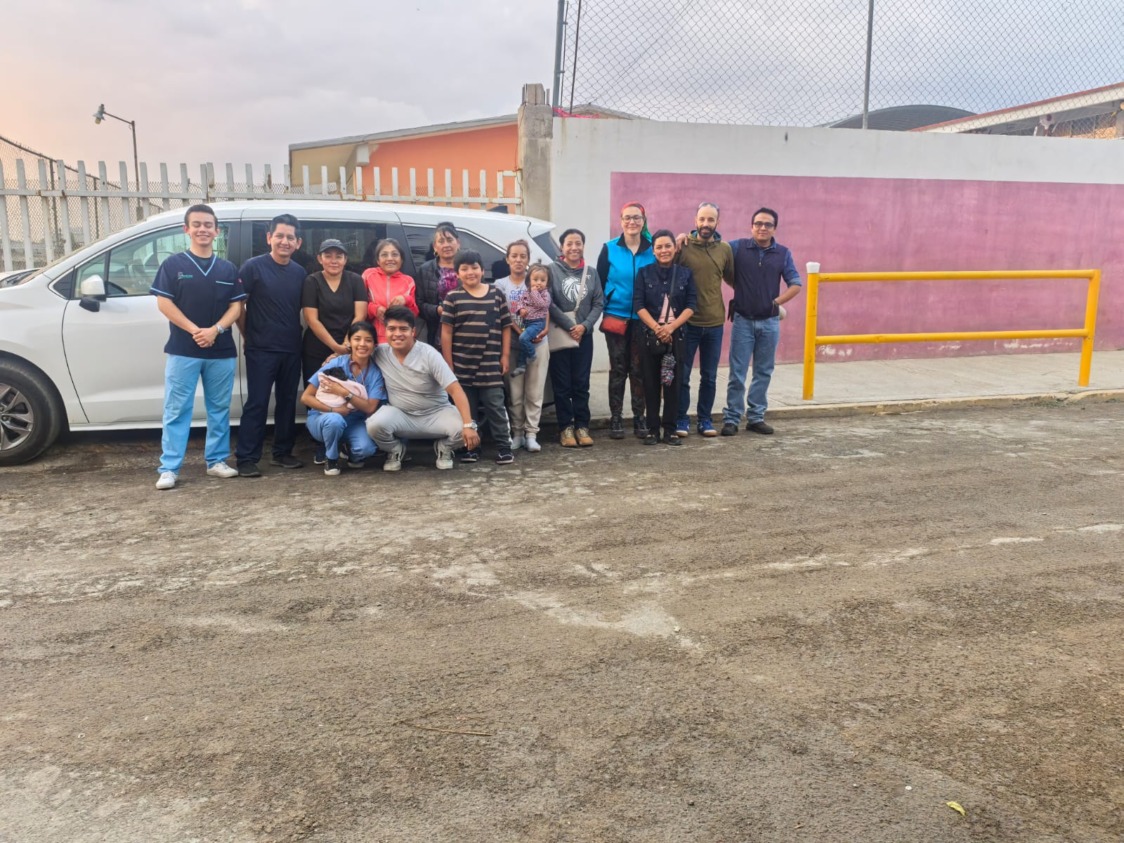
The researchers from Lleida will continue with this project with the aim of strengthening educational and research ties between the two territories, fostering the exchange of knowledge and promoting joint solutions that improve animal health, reduce health risks for people and reinforce global well-being.
One Welfare
The Blanco-Penedo and Noya project addresses the concept of ‘One Welfare’, born from the idea of One Health, which recognises the connection between animal, human and environmental welfare. This approach seeks to improve global welfare through interdisciplinary collaboration and sustainable environmental management. One of its main lines of action is the prevention of abuse and neglect of both animals and people.