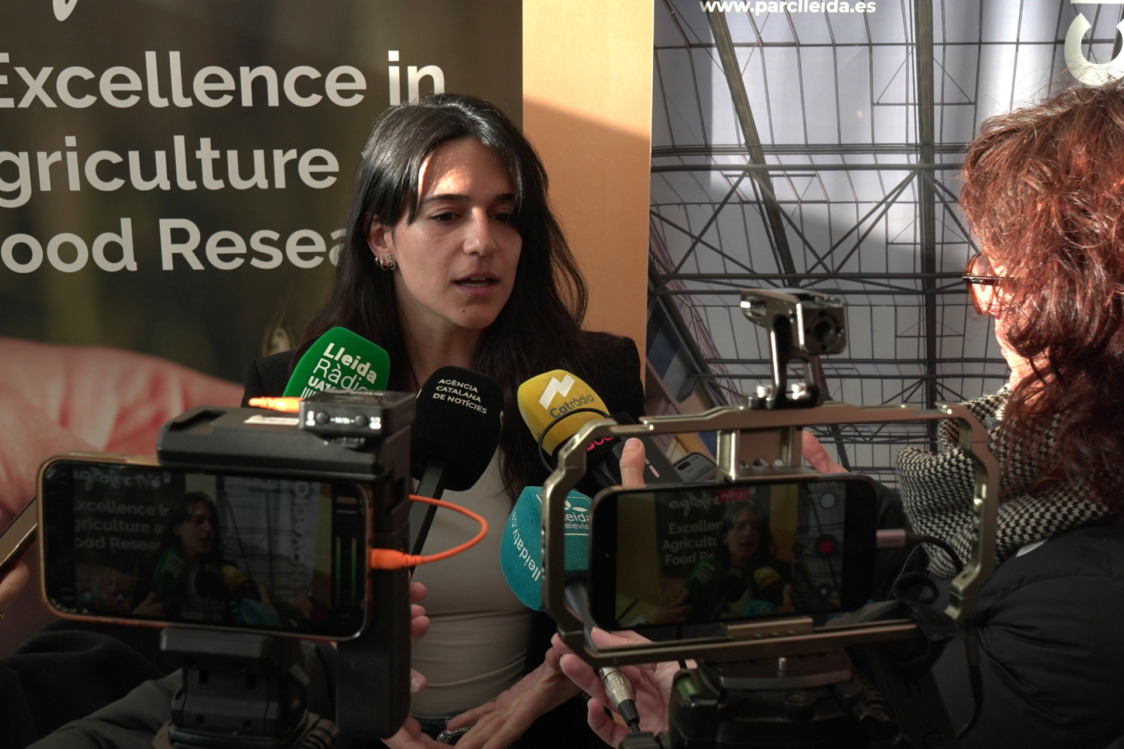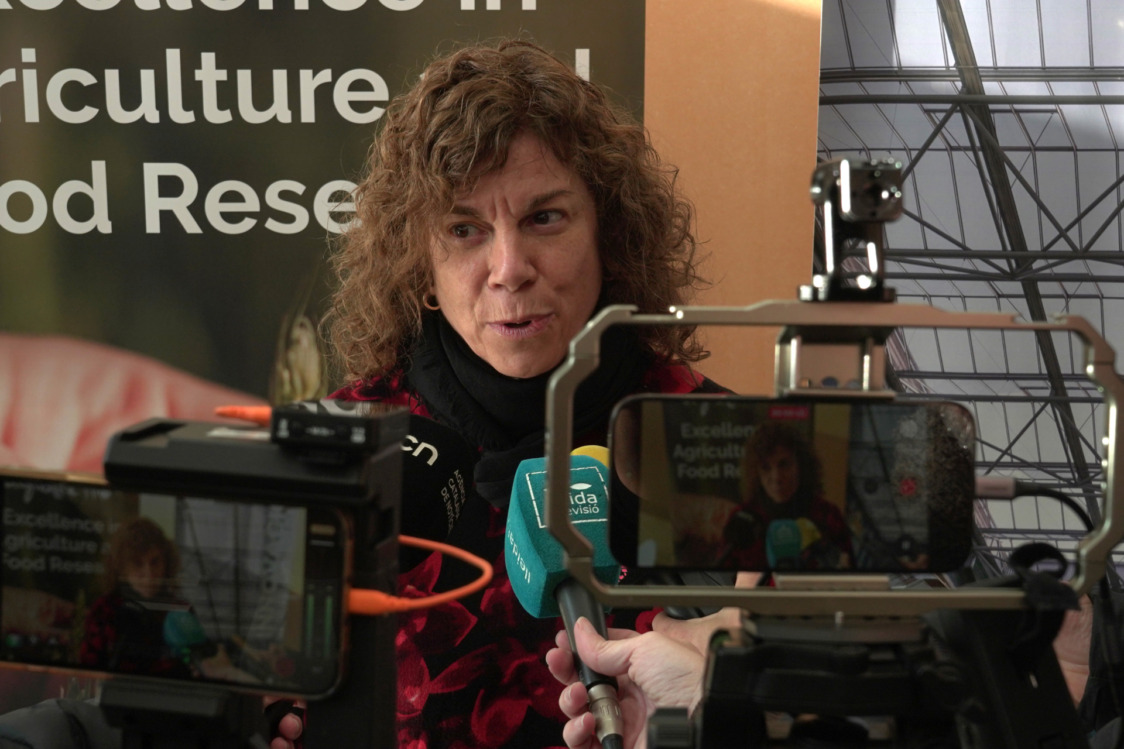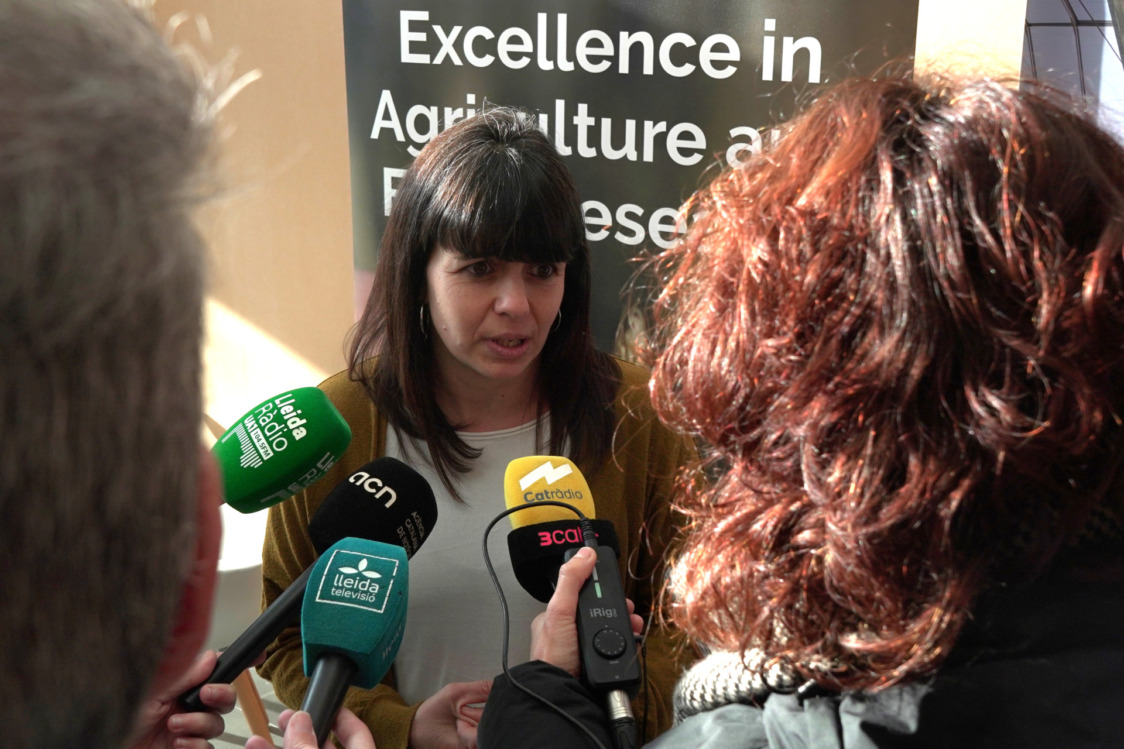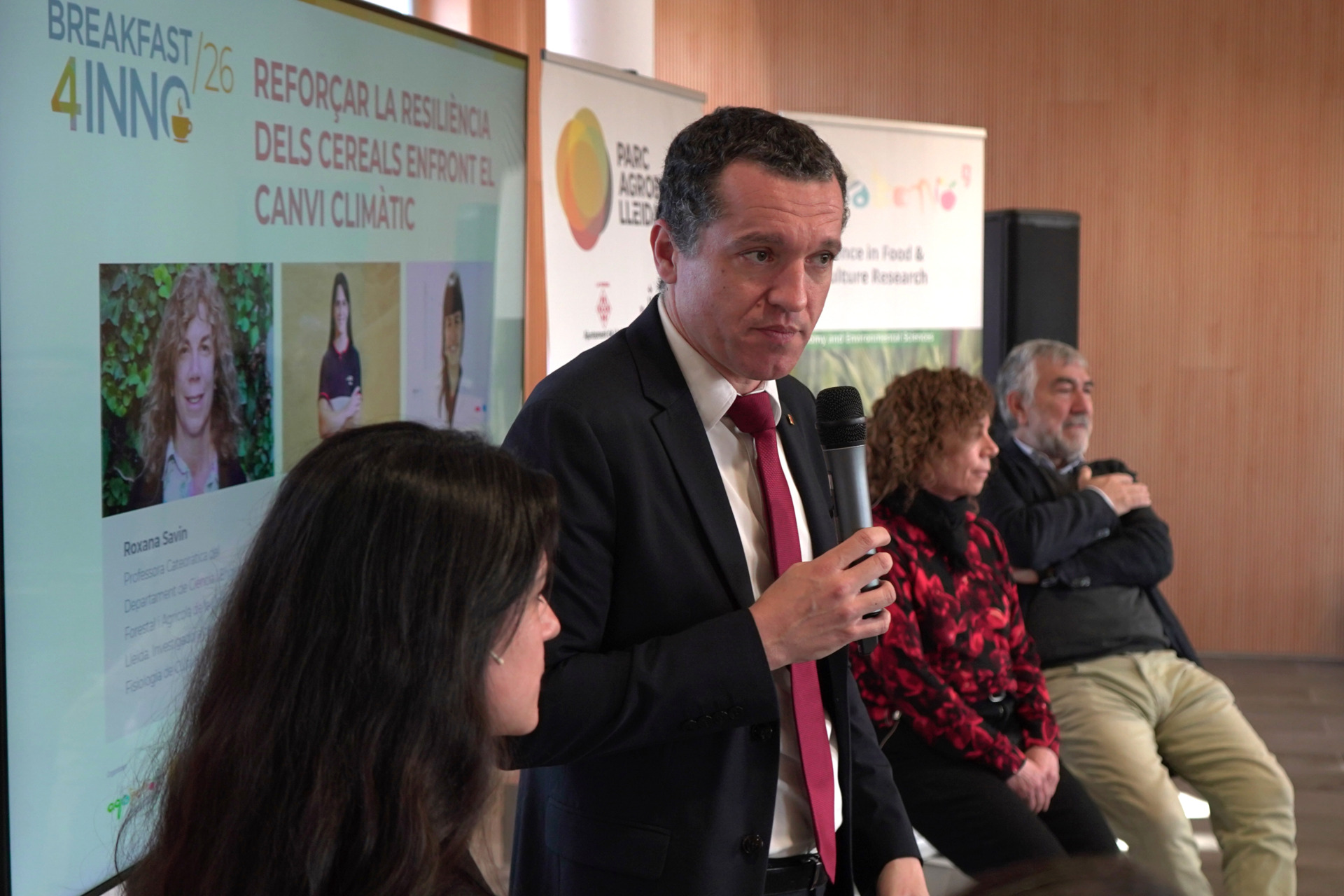
The conseller for Agriculture, Livestock, Fisheries and Food, Òscar Ordeig Molins, inaugurates the third edition of “Breakfast for Inno” and highlights the importance of addressing future scenarios through research and innovation.
The Rector of the University of Lleida and President of Agrotecnio, Maria Àngels Balsells, highlights the initiative that connects the university with the business sector.
The first conference focused on barley resilience to climate change.
The conseller highlighted the importance of bringing together researchers, companies and public stakeholders to share knowledge and experiences in applied research. “The agri-food sector is the leading sector of the Catalan economy, and we face the challenge of producing more food with fewer resources. We will only achieve this through more knowledge, more science, innovation and technology,” he stated. Ordeig added that Lleida “must position itself as an internationally recognised food hub.”
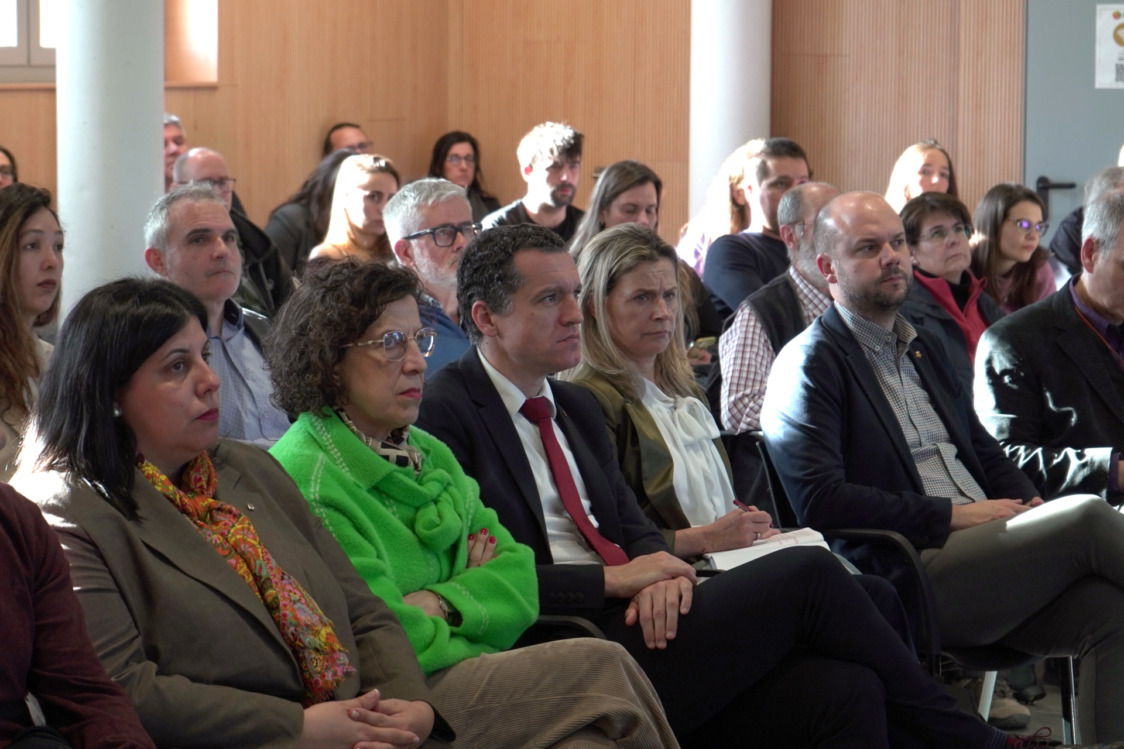
The Rector of the University of Lleida, Maria Àngels Balsells, accompanied the Minister. Balcells, who also serves as President of Agrotecnio, highlighted the role of Breakfast for Inno as a tool to strengthen the connection between the university and the business sector, promoting knowledge transfer and innovation.
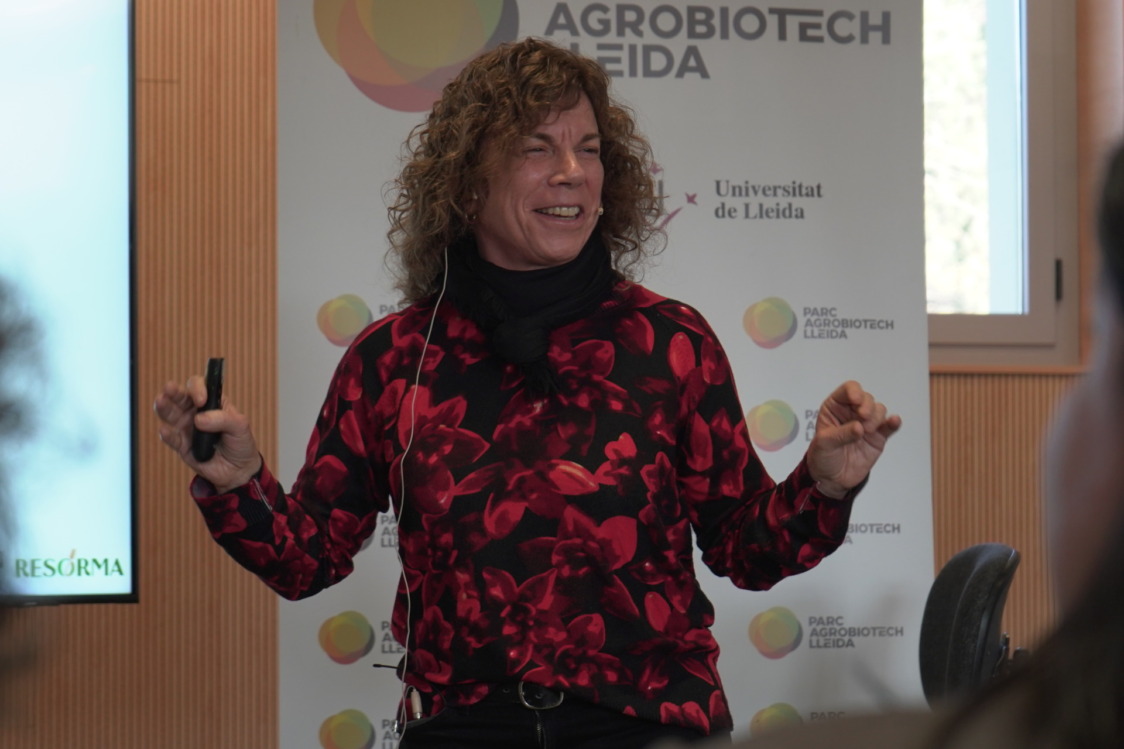
The first session of the 2026 cycle addressed the topic: “Strengthening cereal resilience to climate change.” The increasing frequency and intensity of extreme weather events, such as heatwaves and late rains, negatively affect crops. To address these challenges, Agrotecnio, La Moravia Malt House (Damm Group), Semillas Batlle and CUPASA presented the project Barley and Malt Resilience (ResOrMa). Coordinated by Gustavo A. Slafer, Principal Investigator of the Crop Physiology Research Group at Agrotecnio, and funded by the Department of Agriculture, Livestock, Fisheries and Food, the project aims to develop strategies to adapt barley to new climatic conditions, ensuring grain yield and quality while promoting sustainable practices.
A project with Agrotecnio’s scientific leadership
The project is led by researcher Roxana Savin, Professor in the Department of Forest and Agricultural Science and Engineering at the University of Lleida and a member of Agrotecnio’s Crop Physiology group. Savin explained that increasingly frequent heatwaves can reduce the grain weight of malting barley. One of the main risks associated with this cereal is pre-harvest sprouting, when the grain begins to germinate before harvesting—a phenomenon that can compromise its use for malting and lead to economic losses. This process occurs when barley is exposed to late-season rainfall.
The research also examines the impact of nitrogen fertilisation, commonly used to increase crop yields. The team hypothesises that high nitrogen levels in the field could increase barley’s susceptibility to both heatwaves and pre-harvest sprouting. Lower nitrogen inputs could therefore reduce the crop’s vulnerability to extreme weather events.
Trials were conducted with eight barley genotypes in two experimental fields in Bell-lloc d’Urgell and Gimenells, combining conditions with and without heat stress, and with and without nitrogen application. The study analyses, among other parameters, grain weight, grain size and malting quality.
Industrial participation: la maltería La Moravia
The maltería La Moravia, part of the Damm Group, is actively involved in the ResOrMa research project. The Head of Production and Environment, Neus Prieto Diez, explained that their activity begins with the careful selection of barley grain, which must meet strict quality criteria: a maximum moisture content of 12.5%, a protein content between 9.5% and 12%, at least 75% of grains with a size above 2.5 mm, and high germination capacity.
Prieto explained that prolonged heatwaves and pre-harvest rainfall promote pre-germination of the grain and hinder its preservation. “This directly impacts barley quality, especially brewing barley, with an increase in beta-glucans that causes haze, viscosity and filtration problems in beer,” she added.
Initial project results indicate that extreme climatic conditions affect both barley quality and malt performance during the industrial process. For this reason, Prieto stressed that the sector needs more resilient barley varieties capable of maintaining germination stability and technological quality despite adverse climatic conditions.
Genetic improvement: Semillas Batlle
Semillas Batlle is another company collaborating in the ResOrMa project. Laura Martínez Plantón, Head of Genetic Improvement Programmes for horticultural and arable crops, explained that the company’s participation reflects its commitment to developing barley varieties adapted to different agroclimatic zones and resilient to climate change.
Semillas Batlle develops breeding programmes to create more sustainable, stable and competitive barley varieties. Research focuses on selecting traits that enhance resistance to heat and drought, such as earlier flowering, better adaptation of the crop cycle to rainfall patterns, deeper root systems and greater water-use efficiency, thereby ensuring high yields under adverse climatic conditions.
Martínez Plantón explained that the process of developing new varieties combines crosses of adapted lines, selection under real dryland conditions, multi-location trials and multi-year evaluations, with the aim of ensuring both agronomic performance and industrial grain quality.