Include2Restore
What is it?
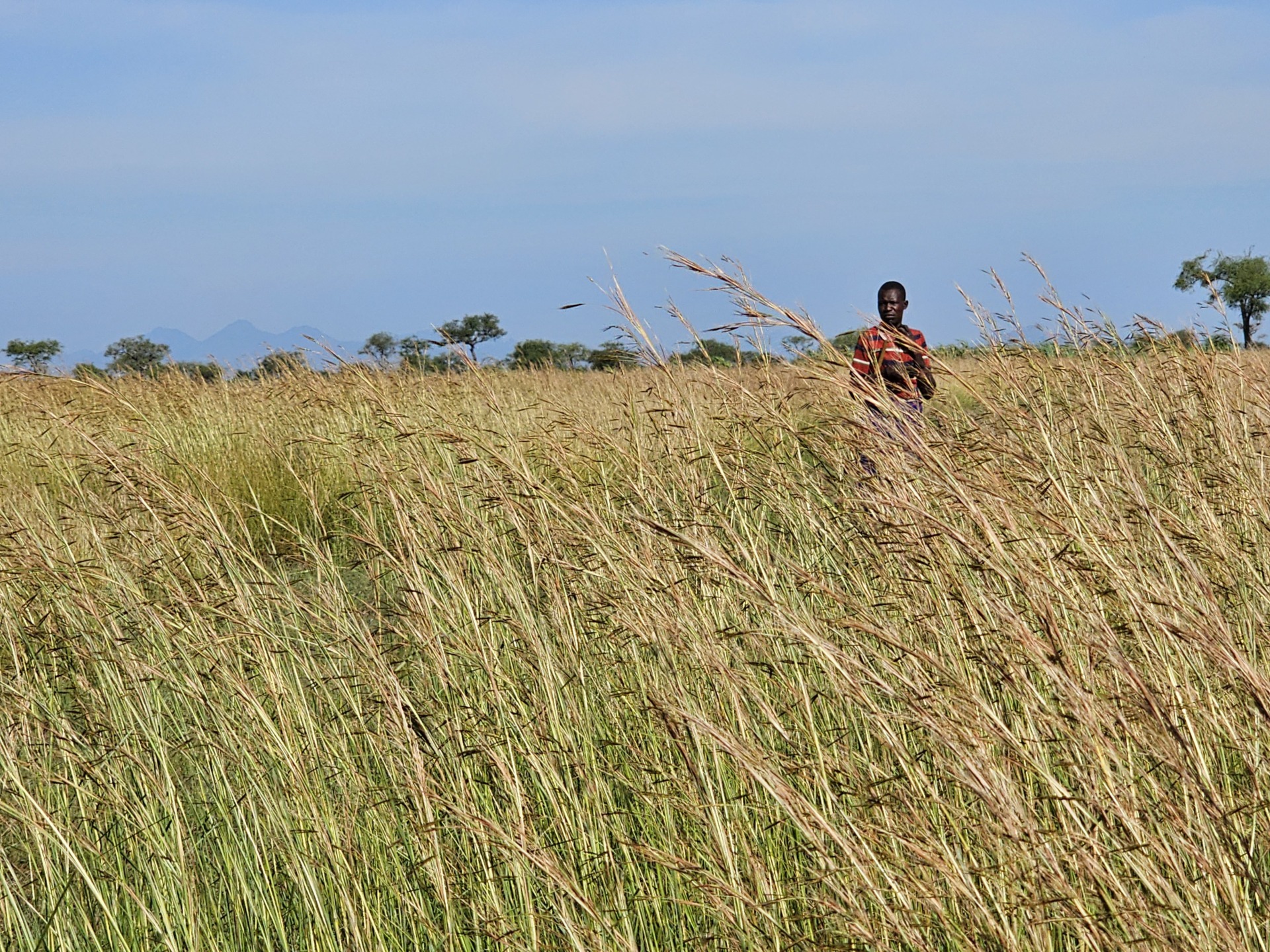
Include2Restore is an international research project led by the University of Nairobi that works with local communities in the Karamoja region, along the Kenya–Uganda border, to develop inclusive models for extensive rangeland restoration and climate change adaptation.
The project promotes the so called “Livestock Cafés”, meeting spaces where communities, researchers, and local stakeholders share knowledge and jointly experiment with new practices for sustainable land and livestock management.
The project runs from March 2025 to December 2028.
Objectives
- Restore degraded rangelands in an ecologically and socially sustainable manner.
- Promote inclusive governance models and community participation.
- Strengthen climate resilience and improve the livelihoods of pastoral communities.
- Promote gender equality and women’s participation in decision-making processes.
- Develop knowledge-sharing and community innovation spaces (“Livestock Cafés”).
- Identify restoration practices that can contribute to peacebuilding and the reduction of conflicts over natural resources.
Who carries it out?
The project is led by the University of Nairobi.
Universities: Swedish University of Agricultural Sciences (SLU), Makerere University.
NGOs and community-based organizations: Vi Agroforestry, Pastoral Communities Empowerment Programme (PACEP), Ateker Cultural Centre (ACC).
Research centre: Agrotecnio.
Funding
The project is funded by the International Development Research Centre (IDRC) and the Bill & Melinda Gates Foundation.
The project is part of the international RECAF (Climate-Resilience Animal Fund) initiative, which aims to support the development of climate-smart livestock systems in Africa.