A study led by the University of Barcelona and Agrotecnio proposes a new strategy for identifying wheat varieties that are more productive and better adapted to climate change
Ensuring that wheat adapts better to climate change without compromising yield has become an urgent priority for the agricultural sector. A team from the University of Barcelona and the Agrotecnio research centre has found an innovative way to tackle this challenge: combining advanced technology and artificial intelligence to select the best varieties.
The study “Multisensory phenotyping of yield and its stability for the selection of durum wheat genotypes”, published in the journal Plant Phenomics, proposes a shift in perspective: focusing not only on yield, but also on wheat’s ability to maintain consistent yields despite changing weather conditions. Researchers Jara Jauregui-Besó, Nieves Aparicio, Sara Álvarez, María Teresa Nieto-Taladriz, José Luis Araus and Shawn Carlisle Kefauver point out that this combination of productivity and stability is key to ensuring reliable harvests in changing environmental conditions.
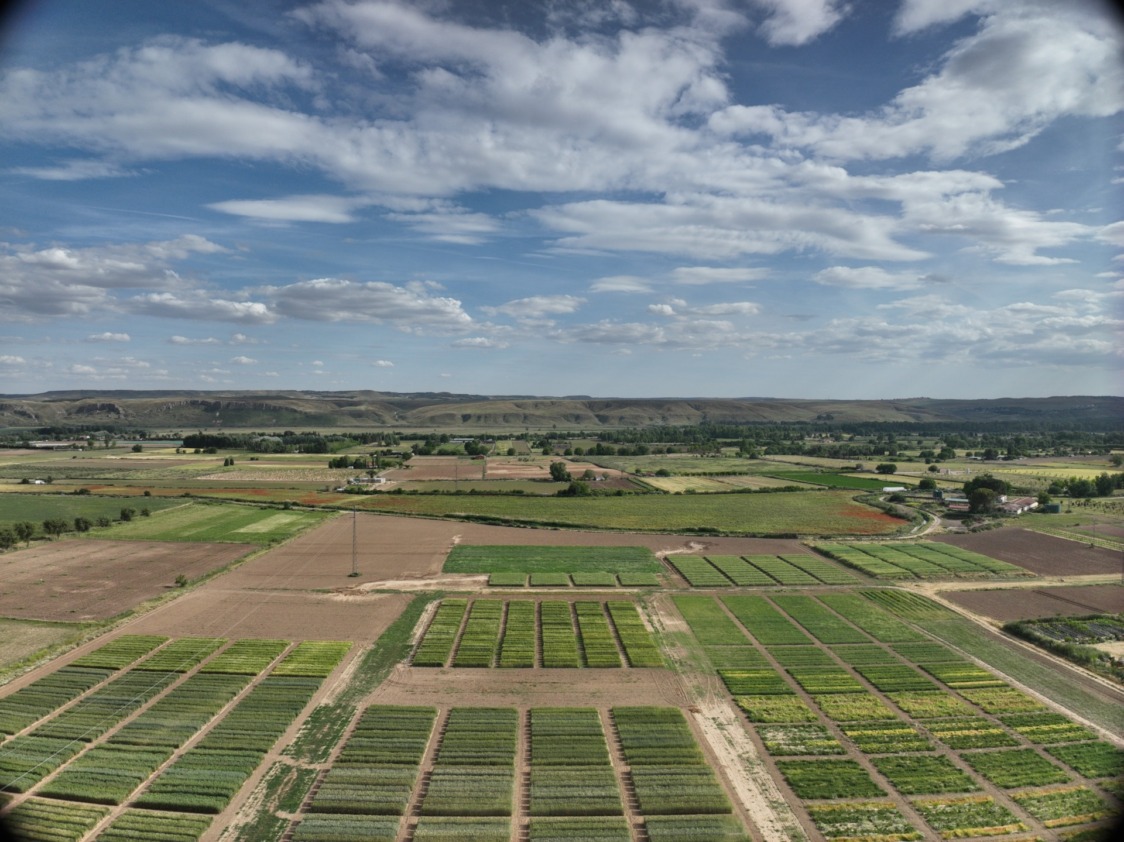
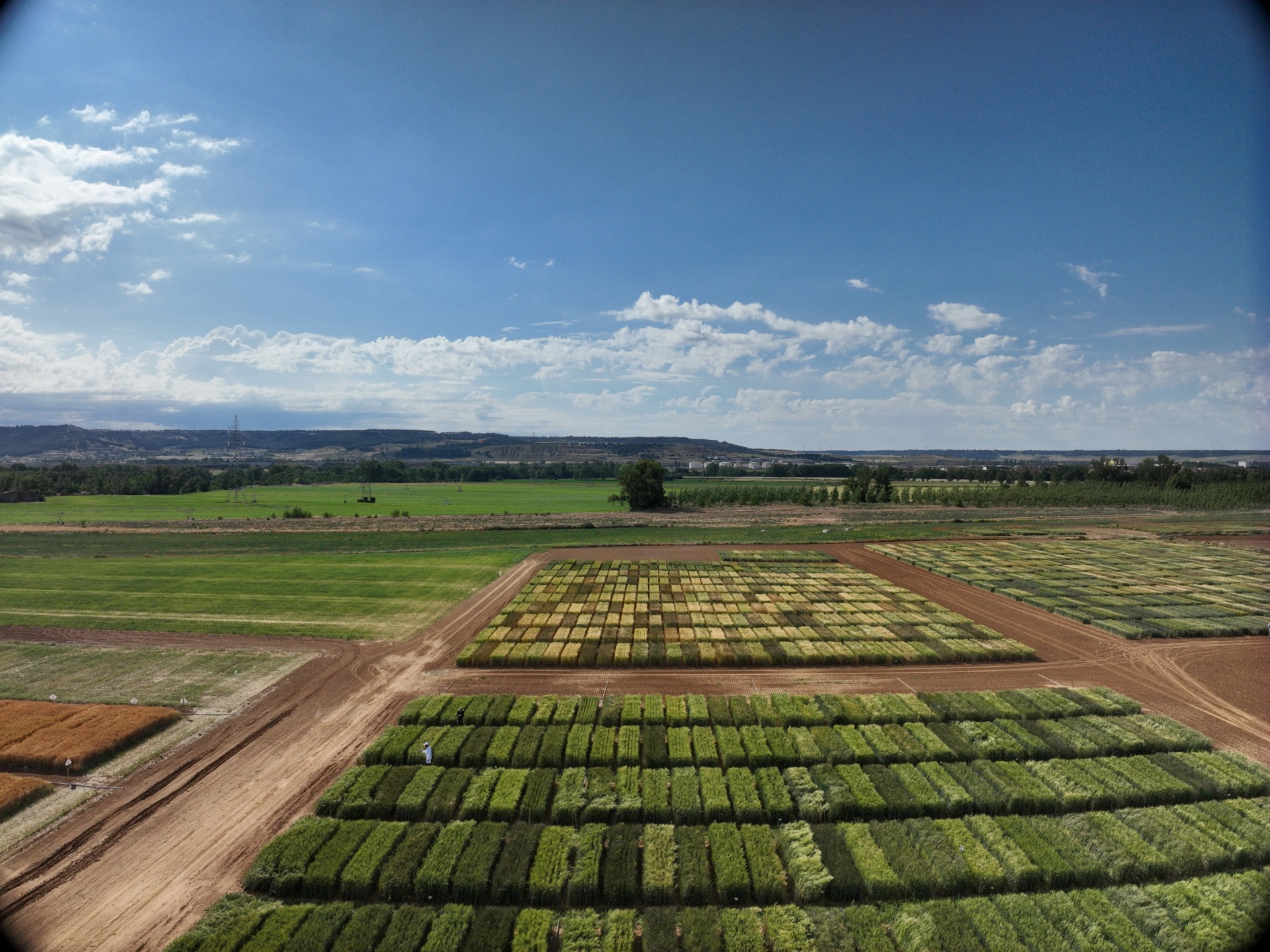
The team is analysing 64 varieties of durum wheat grown in two different Mediterranean environments within the country, under irrigated and rainfed conditions. The aim was to identify which genotypes combine high yields with a stable response in variable environments, with differences in temperature and water availability.
To achieve this, the researchers used ground-based sensors and drones equipped with RGB, multispectral and thermal cameras, which enabled them to monitor crop development throughout the entire growing cycle. This technology makes it easier to obtain key information about the wheat before harvesting, eliminating the need to harvest it and reducing both the costs and the time required to study it.
Using all this data, the team trained artificial intelligence models capable of predicting both the yield and the stability of production for different varieties with a high degree of accuracy.
According to the researchers, this strategy could prove to be a very useful tool for plant breeding programmes, helping to develop wheat varieties that are better equipped to cope with the challenges of climate change.
Greener doesn’t always mean better
The researchers first analysed, separately, the yield and stability traits of durum wheat. They observed that genotypes with the highest yields are characterized by high initial vigor and sustained greenness during the rapid growth phases right through to the end of the growing season. In contrast, the more stable genotypes exhibit lower initial vigor, slower growth, and a shorter cycle, which allows them to make better use of the resources available for grain production.
With the aim of striking a balance between these compensatory mechanisms, the experts developed a method for selecting varieties that combine competitive yield with good stability.
One of the most surprising findings of the study is that the selected varieties are not those that retain their green leaves for the longest period until the end of the season, but rather those that grow vigorously at the start and mature slightly earlier, just at the crucial stage for grain development. In contrast, the discarded lines showed low initial vigor and retained their green leaves for longer, which does not guarantee a better yield.
The study concludes that vigorous early growth combined with early maturation appears to be key to achieving more consistent yields under variable environmental conditions, helping wheat to cope better with drought and high temperatures.
More information:
Jara Jauregui-Besó, Nieves Aparicio, Sara Álvarez, María Teresa Nieto-Taladriz, José Luis Araus , Shawn Carlisle Kefauver (2026). Multi-sensor phenotyping of yield and yield stability for genotype selection in durum wheat. Plant Phenomics. https://doi.org/10.1016/j.plaphe.2026.100178