Strategic collaboration to tackle agrifood challenges
Agrotecnio – Irta
This joint call promoted by Agrotecnio and IRTA aims to foster strategic collaboration between these two CERCA centres in Lleida in order to respond to key challenges facing the Catalan agri-food sector. With the support of the Department of Agriculture, Livestock, Fisheries and Food of the Government of Catalonia, three projects combining scientific expertise and technology transfer are being funded, with the direct involvement of companies in the sector.
Objectives
- Foster effective collaboration between Agrotecnio and IRTA research teams to develop joint impact projects.
- Respond to priority agri-food challenges, such as livestock sustainability, the digitisation of fruit growing and the valorisation of dairy by-products.
- Promote knowledge transfer to the productive sector through collaboration with Catalan companies.
- Deepen applied research with potential for scalability and added value for the agrifood industry.
Projects
Researchers
- Eduard Gregorio (Agrotecnio-Universitat de Lleida)
- Jordi Gené (IRTA), in collaboration with Nufri.
Summary
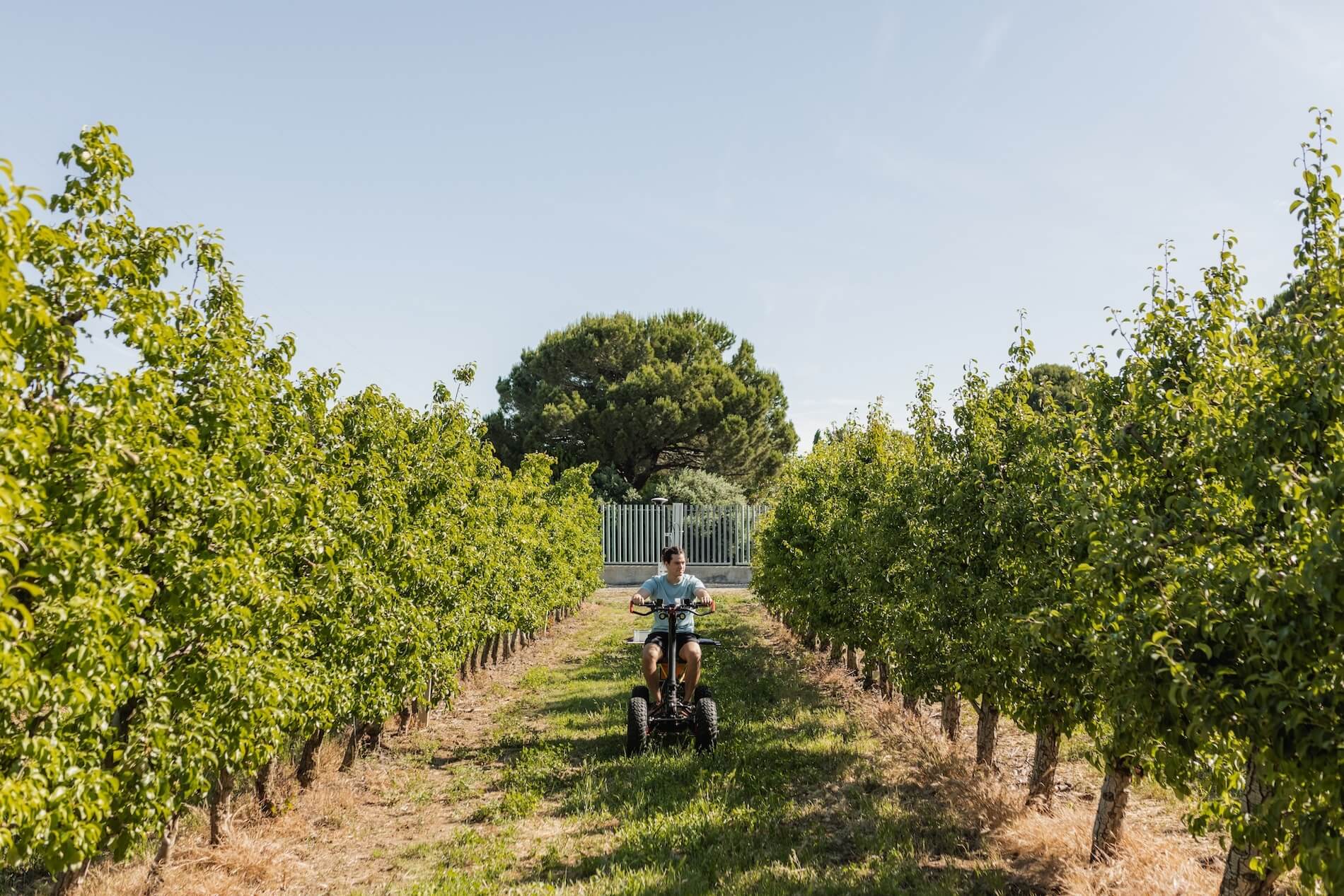
This research project addresses the challenge of promoting the transfer of affordable precision farming tools to the fruit growing sector. The research will focus on evaluating new monitoring methodologies based on low-cost photonic sensors, such as RGB-D cameras and solid-state LiDAR sensors.
Researchers
- Nàdia Ortega (Agrotecnio-UdL)
- Elena Garcia (IRTA), in collaboration with Llet Nostra Alimentària SL.
Summary
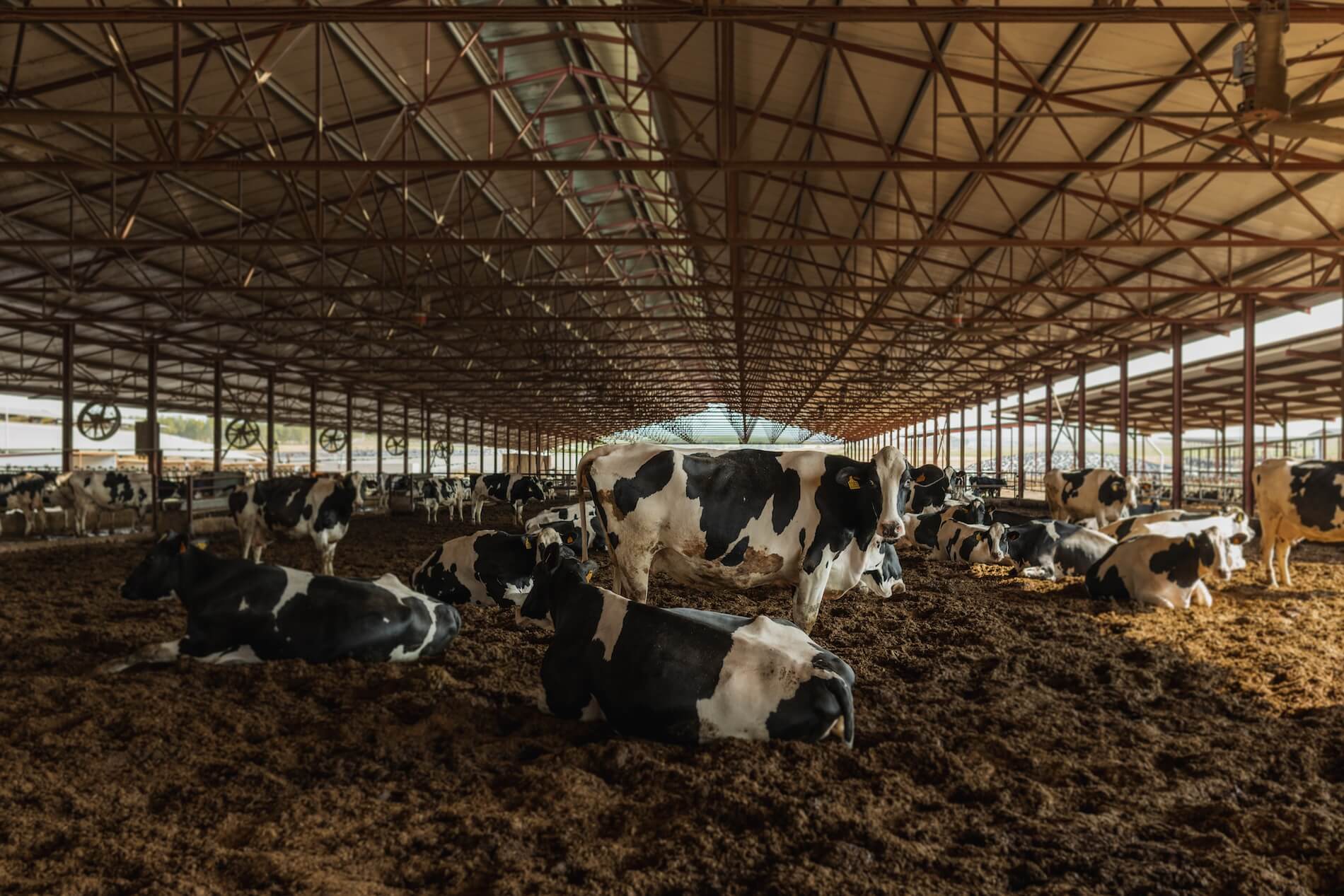
The project aims to explore fermentation as a way of adding value to transitional milk from dairy cows, which is produced between colostrum and mature milk and has a similar composition to colostrum but has not been exploited until now. Through a scientific and applied approach, the aim is to develop foods or ingredients with beneficial health properties, intended for consumption by ruminants and, potentially, for human consumption, especially in the infant and senior segments.
Researchers
- Houda Laghouaouta (Agrotecnio-UdL)
- Antoni Dalmau (IRTA), in collaboration with Selección Batallé.
Summary
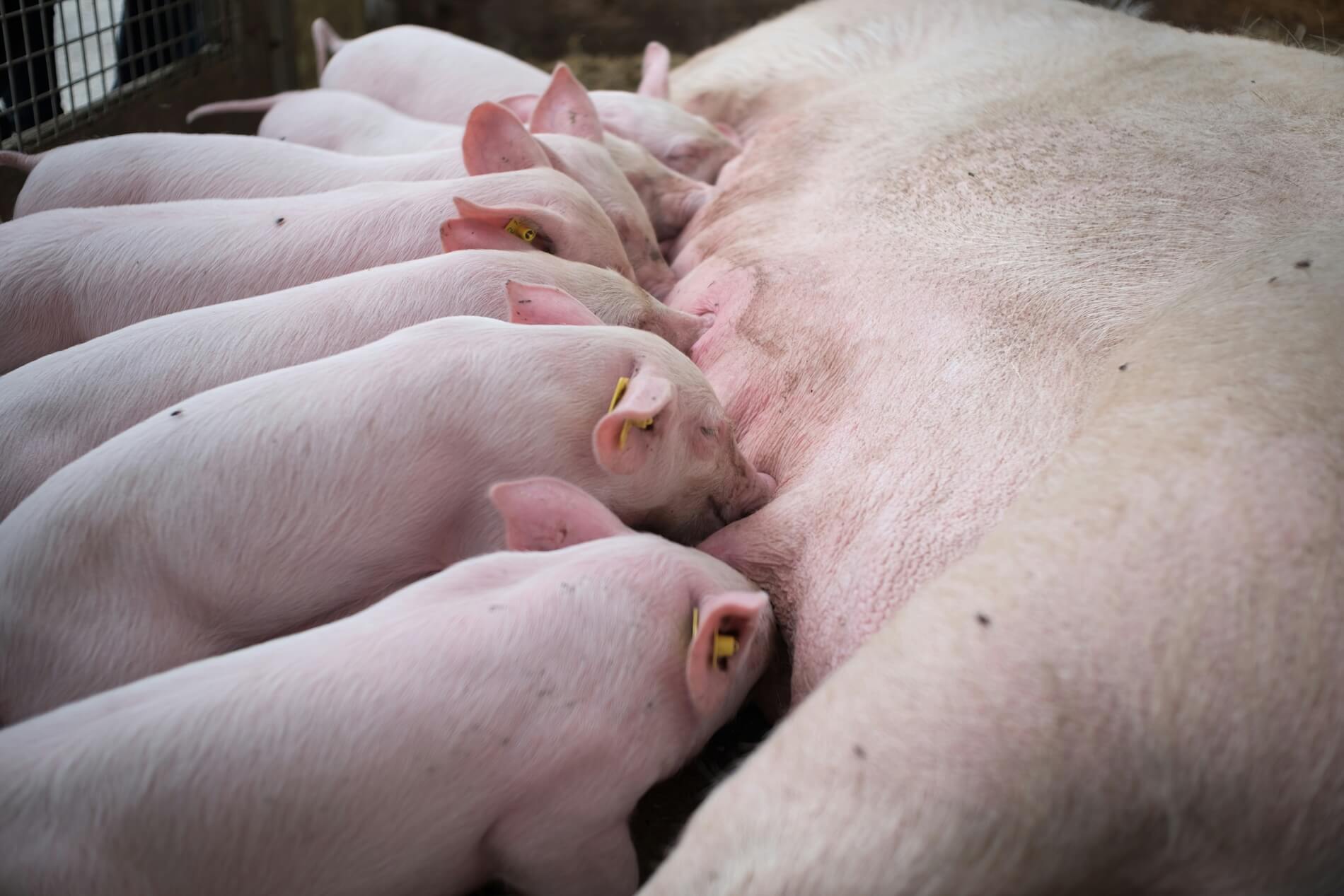
The aim of this project is to use epigenetic marks—modifications that do not change DNA but can influence gene activity and be passed on to subsequent generations—to identify the most resilient pigs, i.e. those that maintain good productivity in diverse environmental conditions. This will enable progress towards a more efficient and sustainable pig production system.