Environmental Physical Chemistry
Objectives
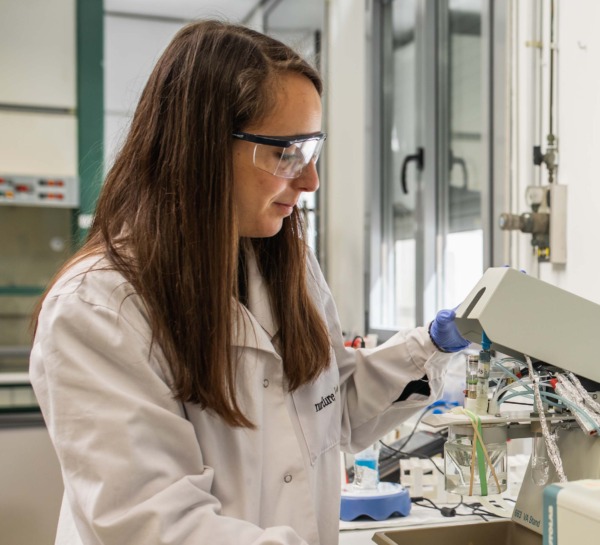
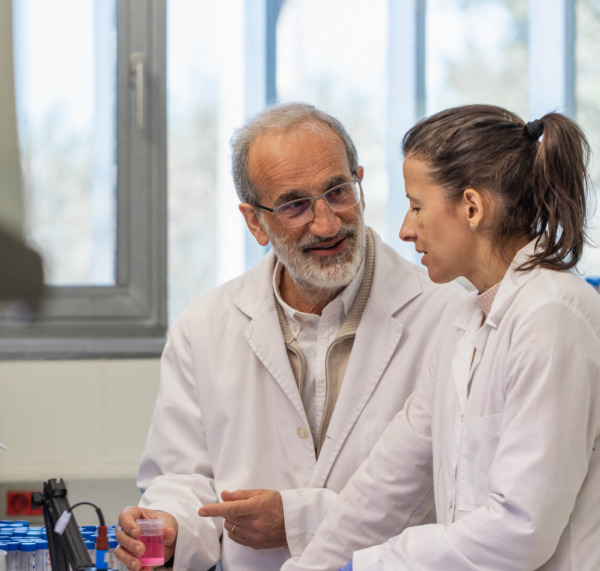
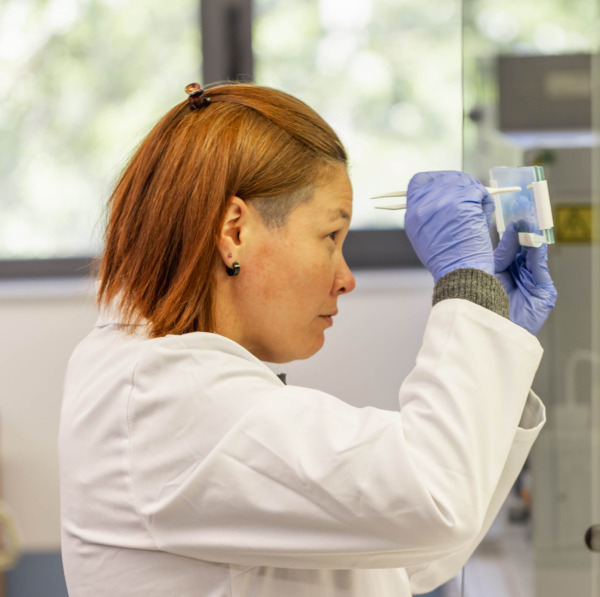
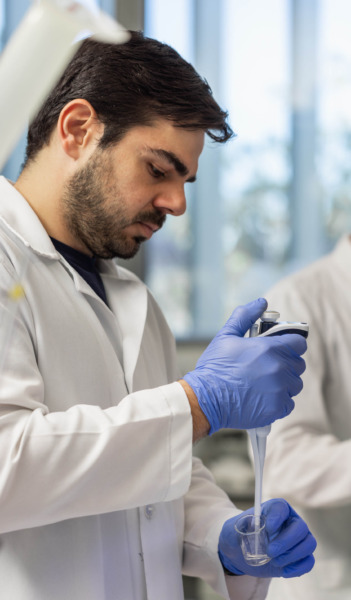
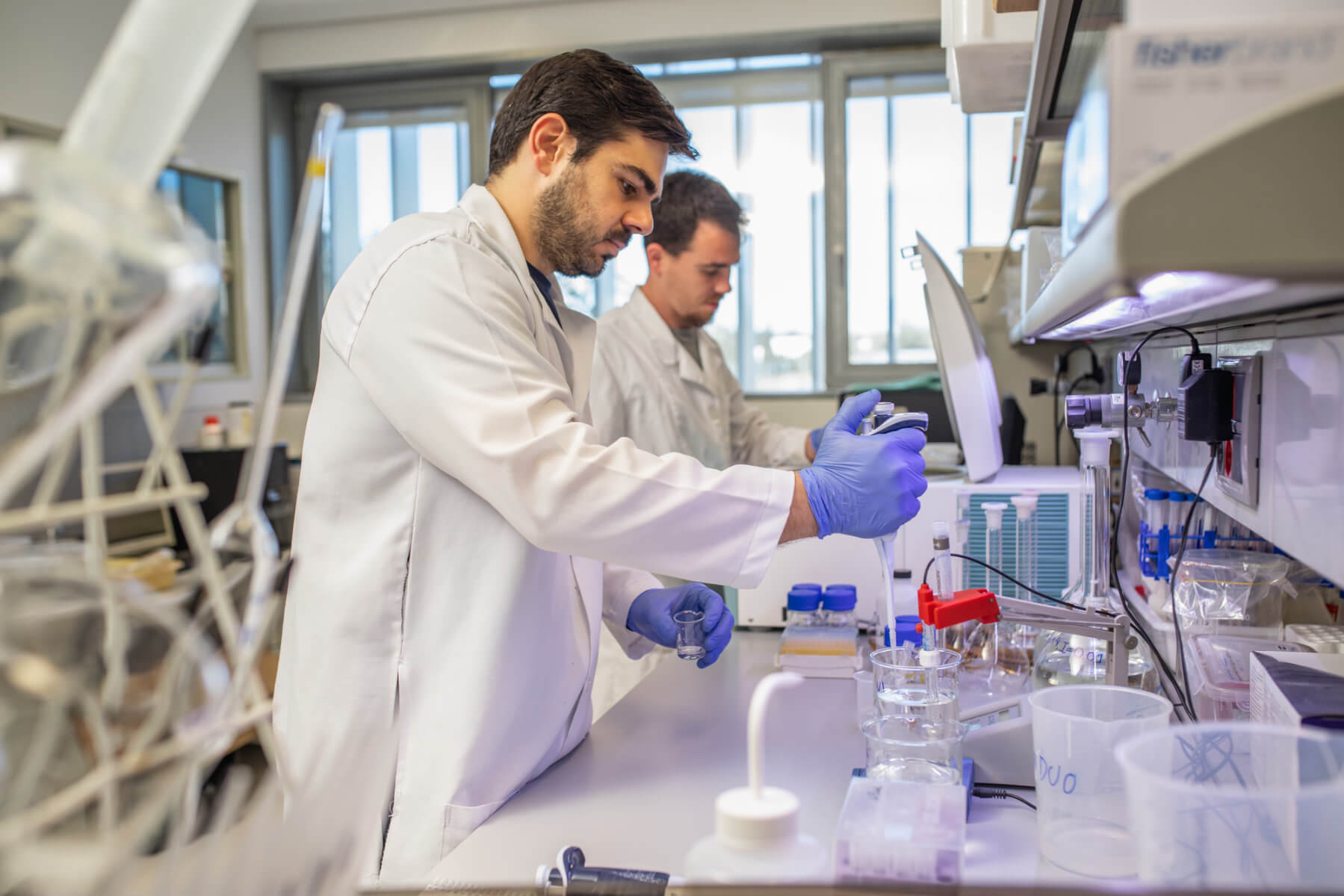
The Environmental Physical Chemistry Group brings together people with backgrounds in chemistry, physics, engineering and mathematics who are interested in the global cycle of elements in the environment, with a special emphasis on water, soil and food. Our research seeks to elucidate the availability of zinc, magnesium, calcium, phosphorus and other elements, as well as so-called “trace elements” (chemical elements present in very small quantities in rocks, minerals, soils and water) through a combination of processes.
We develop theoretical frameworks to understand experimental measurements and the overall functioning of the processes that control the availability of metals and nanoparticles through concepts, physicochemical models, numerical simulations, and new experimental techniques.
Research lines
- Thermodynamic modelling of metal speciation with dissolved organic matter.
- Dynamic aspects of the behaviour of ions and nanoparticles in solution.
- Emerging analytical techniques for the speciation of metals and nutrients.
Main activities
- We describe the specific binding between organic matter and metal ions using gradual binding constants or the conditional affinity spectrum (a concept introduced by our group).
- We designed and continue to develop the AGNES (Absence of Gradients and Nernstian Equilibrium Stripping) technique for the direct measurement of free metal ion concentrations.
- We work with DMT (Donnan Membrane Technique) and DGT (Diffusion Gradients in Thin Films) as complementary techniques to provide information about the target system.
Group members